
Lapalala Wilderness

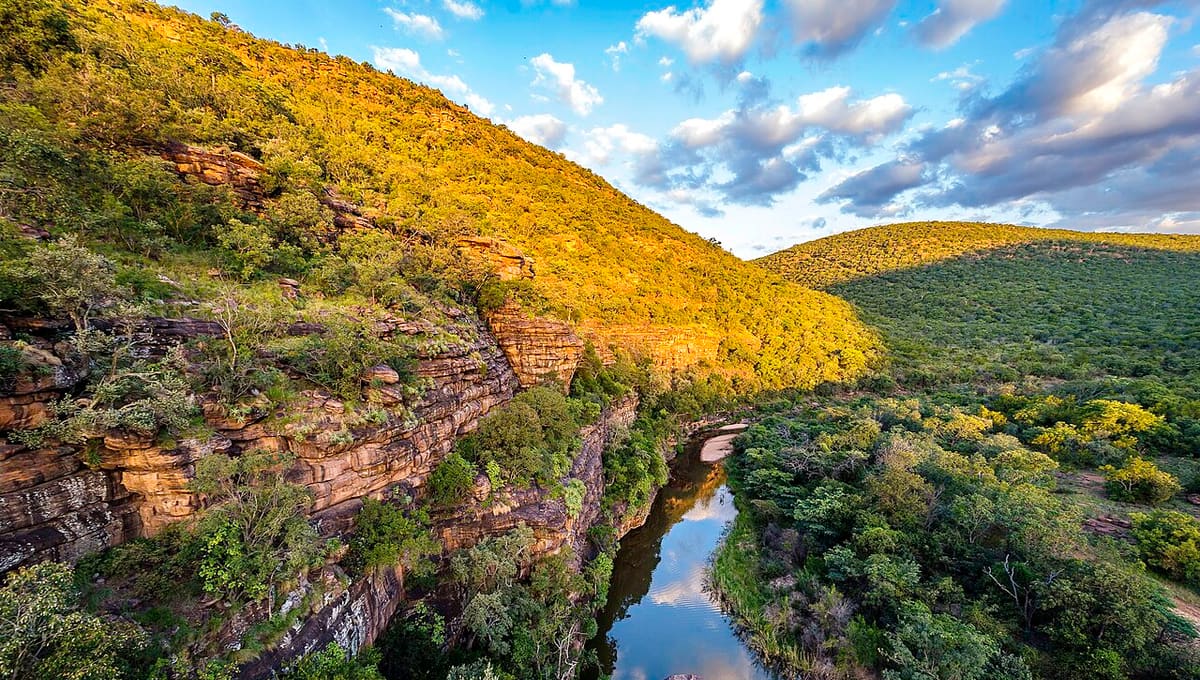
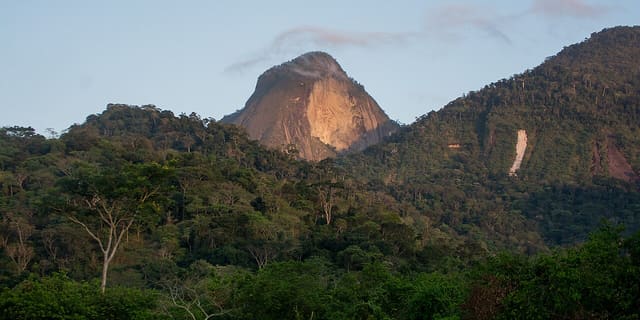
Image: Online Brand Ambassadors · CC BY-SA 4.0 · Wikimedia Commons
Lapalala Wilderness is a 48,000-hectare Big Five conservation area within South Africa's UNESCO-declared Waterberg Biosphere, and it holds the distinction of being the first International Dark Sky Park in South Africa.
Why Lapalala Wilderness is a top stargazing spot
Lapalala's dark skies have been measured with a Sky Quality Meter at an average of 21.41 magnitudes per square arcsecond, comfortably clearing the threshold required for International Dark Sky Park status. Its remoteness and protection under South Africa's National Environmental Management Protected Areas Act help keep the surrounding savanna and river valleys free of artificial light.
What you can see
Open savanna and river valley terrain give visitors an unobstructed, star-filled view of the night sky, a striking sight from the Southern Hemisphere. Lapalala's darkness also matters for its wildlife: species that depend on dark skies to thrive here include dung beetles and migratory birds such as the Woodland Kingfisher, alongside critically endangered animals like black and white rhinoceros, African wild dog, cheetah and pangolin.
Visiting Lapalala Wilderness at night
Lepogo Lodges, based within the reserve, offer guided stargazing, cultural storytelling, astronomy nights and sleepout adventures for visitors who want a structured introduction to the night sky here. The reserve is entered through one of two gates, South Gate or East Gate, both reached from the nearby town of Vaalwater. Check the official Lapalala site for current lodge and activity availability before booking a trip.
Best time to go
Lapalala sits well south of the equator, so the Milky Way's core rises high overhead for much of the year, with the richest views typically running from around February through October. Southern Hemisphere skies also bring the Magellanic Clouds into view, two companion galaxies invisible from most of the Northern Hemisphere. For meteor showers, look out for the Eta Aquariids in May and the Geminids in December, both of which favour southern latitudes. As always, plan around a new Moon for the darkest sky, give your eyes twenty to thirty minutes to adapt, and use a red light rather than a white torch once you're observing.
Getting there
The nearest town is Vaalwater, about 50 km from the reserve in Limpopo Province, reached from Johannesburg by a drive of roughly three and a half hours. From Vaalwater, the reserve's South Gate is accessible via the R33 road or a combination of the R101 and D197, a further 20 to 22 km. Public transport by taxi or minibus runs as far as Vaalwater, but the final stretch to the gates typically requires a private vehicle or arranged shuttle, so it is worth confirming transport before you travel.
See your named star from here
Lapalala's exceptionally dark, wildlife-rich skies make it a memorable place to find a named star using its coordinates and a stargazing app, far from the light pollution that hides most stars elsewhere. Browse the star catalogue or explore other dark-sky destinations around the world.
Conditions and access vary by season. Check the official website and Google Maps before you travel, and aim for a clear night near the new Moon for the darkest sky.
Satellite imagery: Esri, Maxar, Earthstar Geographics

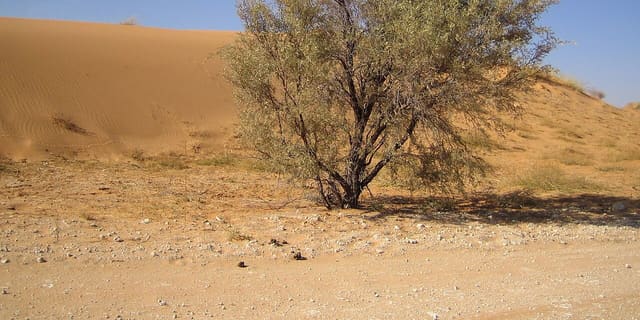 832 kmSanctuary
!Ae!Hai Kalahari Heritage Park
UNESCO World Heritage Site in Northern Cape, South Africa

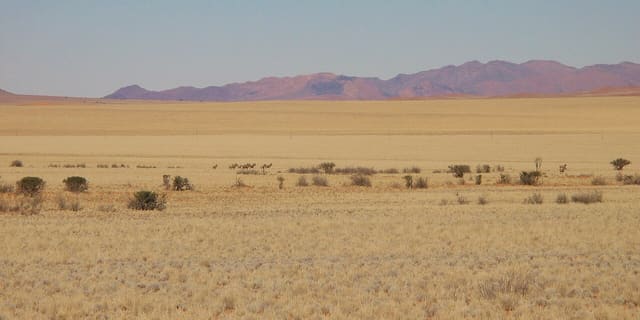 1,258 kmReserve
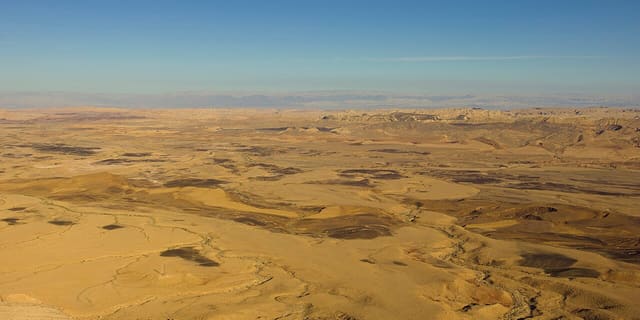 6,090 kmDark Sky Park
 7,125 kmDark Sky Park