
Makhtesh Ramon National Park

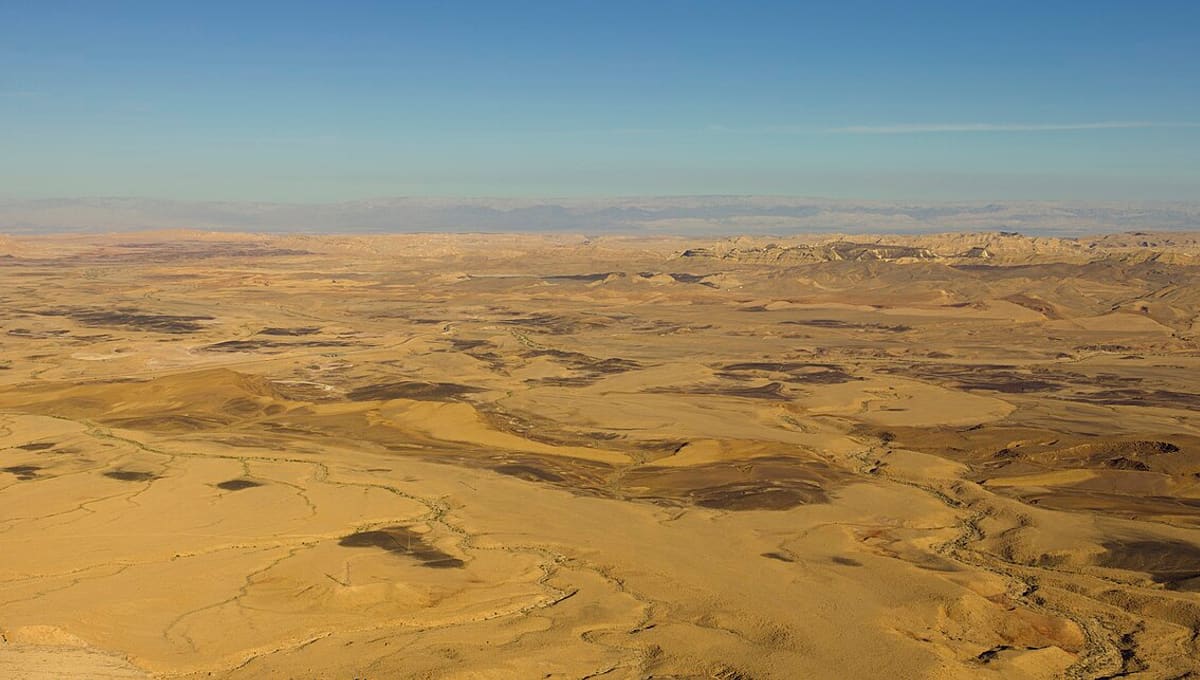
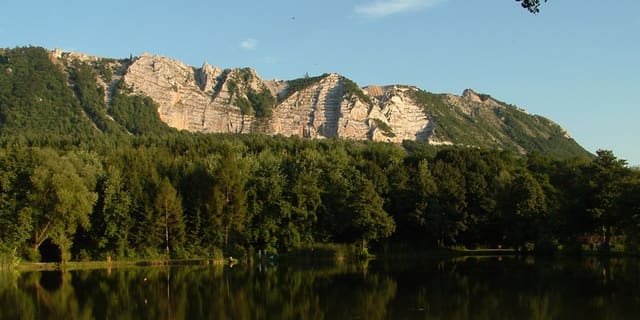
Image: Godot13 · CC BY-SA 4.0 · Wikimedia Commons
Makhtesh Ramon, also known as the Ramon Crater, is a vast geological feature in Israel's Negev Desert, roughly 85 km south of Beersheba. It is the world's largest erosion cirque, stretching 40 km long, 2 to 10 km wide and 500 metres deep, and despite its crater-like shape it was not formed by a meteor impact or volcanic eruption.
Why Makhtesh Ramon is a top stargazing spot
The Ramon Crater Nature Reserve, spanning 1,100 square kilometres, was designated an International Dark Sky Park by the International Dark-Sky Association, the first such designation in the Middle East. Its high altitude, over 1,000 metres, combined with dry desert air, minimal cloud cover year-round and genuine remoteness from artificial light, creates exceptional conditions for viewing the night sky, with the reserve rated Bortle Class 2, close to the darkest classification possible.
What you can see
On clear desert nights visitors can see thousands of stars, distant galaxies, star clusters and meteors, with a sky quality that stands out even among the region's many dark desert sites. The dry, cloudless climate means clear viewing conditions are the norm rather than the exception here.
Visiting Makhtesh Ramon at night
Guided stargazing tours run from the nearby town of Mitzpe Ramon, both inside the crater and from viewpoints above it, with the exact location typically confirmed at booking. Sessions generally run one to three hours, using professional telescopes and laser pointers to point out constellations, and cost around 175 NIS (about $48) per adult; several operators offer tours that are wheelchair-accessible and stroller-friendly. As with any desert stargazing trip, bring warm layers for the temperature drop after sunset and allow time for your eyes to adapt to the dark.
Best time to go
Makhtesh Ramon sits at just under 31 degrees north, so its Milky Way core season runs roughly March through September, when the galactic centre climbs high above the crater rim after dark. In winter, the desert's clear, dry air still delivers crisp views of Orion and the other bright winter constellations. Meteor watchers should look for the Perseids in August and the Geminids in December, both well suited to this latitude, alongside the Quadrantids in January. Wherever your trip falls, aim for the nights around a new Moon, give your eyes twenty to thirty minutes to adjust, and rely on red light only once you're observing.
Getting there
The gateway town is Mitzpe Ramon, about 85 km (55 miles) south of Beersheba, roughly a one hour ten minute drive by road. Regular buses connect Beersheba to Mitzpe Ramon for around $4-8, taking about an hour and eighteen minutes, making a car-free visit straightforward for those staying in the south of Israel.
See your named star from here
As the Middle East's first International Dark Sky Park, Makhtesh Ramon offers some of the clearest desert skies anywhere to search for a named star using its coordinates and a stargazing app. Browse the star catalogue or discover more dark-sky destinations to plan your next night under the stars.
Conditions and access vary by season. Check Google Maps before you travel, and aim for a clear night near the new Moon for the darkest sky.
Satellite imagery: Esri, Maxar, Earthstar Geographics

 2,222 kmDark Sky Park
 2,279 kmDark Sky Park
 2,282 kmPreserve
 2,290 kmDark Sky Park