
Zselic National Landscape Protection Area

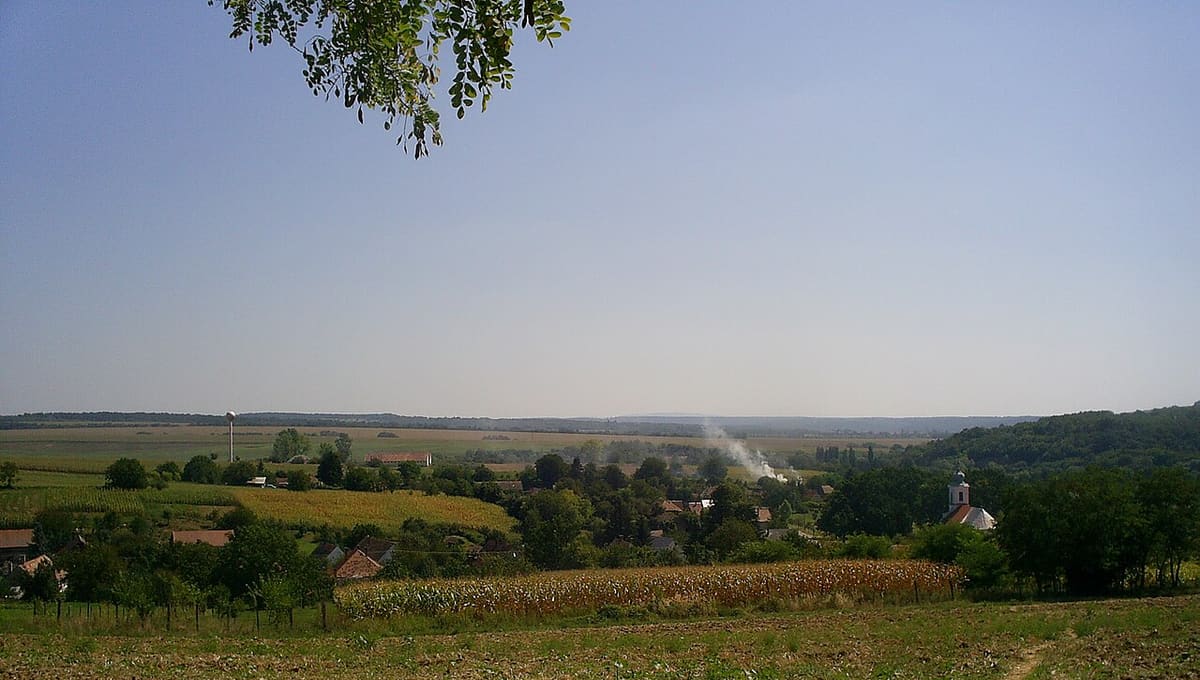
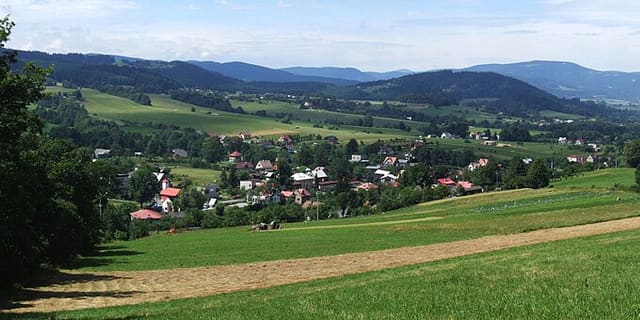
Image: Xbspiro · CC BY-SA 3.0 · Wikimedia Commons
Zselic National Landscape Protection Area lies in southwest Hungary, in Somogy and Baranya counties between Kaposvár and Pécs, and its dark-sky park project began in October 2006 through an agreement between the Duna-Dráva National Park Directorate and the Hungarian Astronomical Association.
Why Zselic is a top stargazing spot
The protection area itself dates back to 1976, originally set up to safeguard the natural assets of the North Zselic hills, and now covers 9,042 hectares of the Transdanubian landscape, roughly 25 kilometres from Kaposvár. Sky quality meter readings across the park typically measure 21.0 magnitudes per square arcsecond or better, averaging around 21.3, figures that place it among the best dark-sky locations in Hungary. Kaposvár is the main source of any obstructive light on the horizon; the small villages closer to the park have little effect on the darkness overhead. The project has since grown to include nearby settlements through the Lighting Society of Hungary and the Zselica Alliance, extending dark-sky-friendly lighting practices across the wider region.
What you can see
Under skies this dark, the Milky Way's band is easily traced overhead, along with far more stars than are visible from Kaposvár or Pécs. The Perseid meteor shower in August is a particular highlight for visitors, with the park's astronomical demonstrations often timed around it.
Visiting Zselic at night
The heart of the park's night sky programme is its Dark Sky Centre, home to a 40cm mirrored telescope housed in its own dome, a planetarium with regular film screenings, and exhibitions covering the solar system and meteorites. The site also has an observatory building, a lookout tower and five rest spots scattered through the park, and the main building is the starting point for guided thematic nature tours of four to five kilometres, astronomical demonstrations by night and stargazing night walks. The area is managed as part of the Danube-Drava National Park; check its site for current opening times and programme dates before you travel, and bring a red light rather than a white torch to keep your night vision intact.
Best time to go
Zselic sits in the northern hemisphere, so the Milky Way's core is at its best from roughly March to September, low in the south during the warmer months. The Perseid meteor shower in August is the park's signature event and coincides with some of its guided night walks, while the Geminids in December and the Quadrantids in January are worth catching on a clear winter night once the core has set. Whatever the season, aim for a night near the new Moon, give your eyes twenty to thirty minutes to adjust to the dark, and keep to red light once you're outside.
Getting there
Zselic lies between Kaposvár and Pécs in southwest Hungary, with the Dark Sky Centre around 25 kilometres from Kaposvár. The Duna-Dráva National Park Directorate manages access; check its site for directions and current road conditions before setting out.
See your named star from here
Zselic's protected hills give a genuinely dark backdrop for tracking down a star you've named for someone. Bring the coordinates from your certificate and a stargazing app, find a clear spot away from the villages, and look up. Explore the star catalogue, or see other certified dark-sky places on the observatories page.
Conditions and access vary by season. Check the official website and Google Maps before you travel, and aim for a clear night near the new Moon for the darkest sky.
Satellite imagery: Esri, Maxar, Earthstar Geographics

 291 kmDark Sky Park
 300 kmDark Sky Park
 310 kmPreserve
 368 kmPreserve