
Big Cypress National Preserve

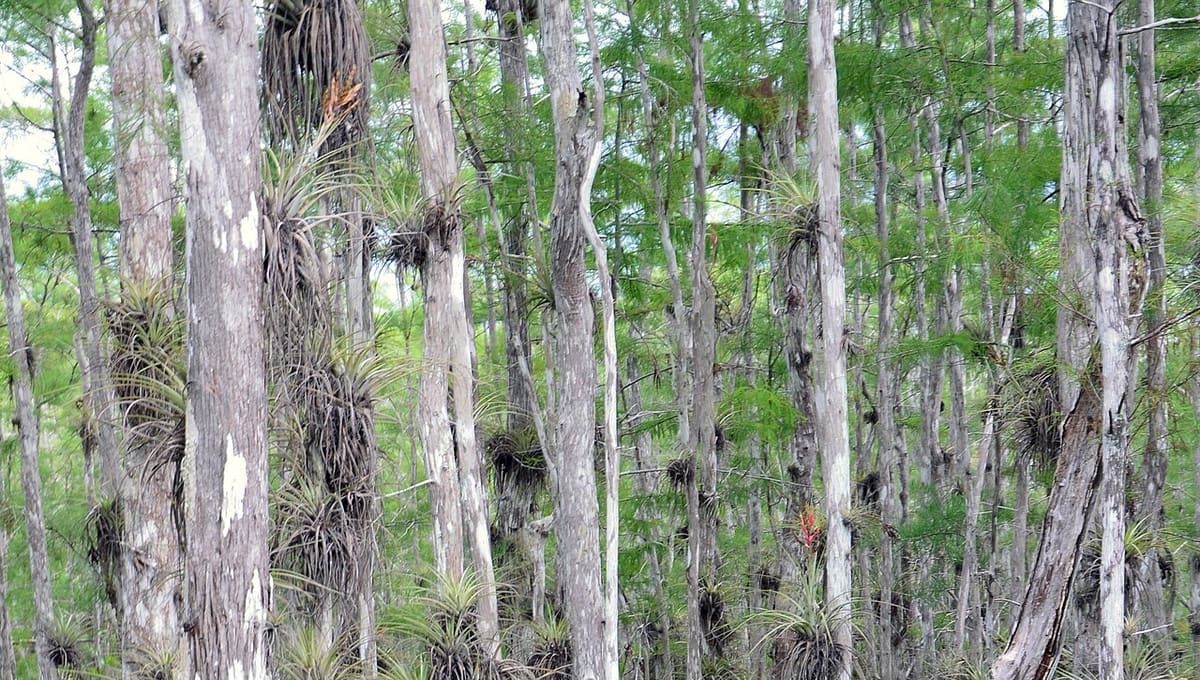
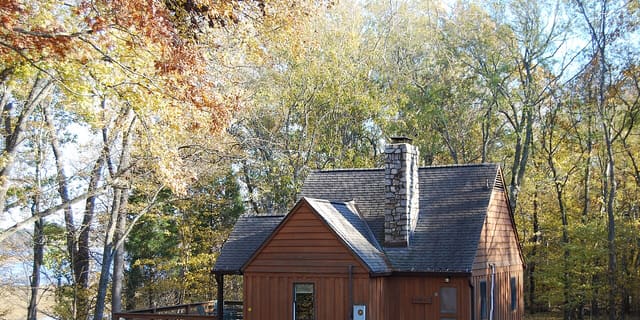
Image: Gzzz · CC BY-SA 4.0 · Wikimedia Commons
Big Cypress National Preserve covers 720,000 acres of South Florida wetlands, about 45 miles west of Miami. In 2016 it became the first of the National Park Service's 19 national preserves to earn International Dark Sky Place status, and its skies now measure a Bortle Class 2, one of the darkest ratings a place can have.
Why Big Cypress National Preserve is a top stargazing spot
Big Cypress's designation was also a first for the region: it's the first National Park Service unit east of the Colorado River to earn dark-sky accreditation, and the 16th NPS unit overall to do so. That's a notable achievement given how close it sits to South Florida's dense, brightly lit coastline. To meet the standard, staff assessed and retrofitted hundreds of light fixtures across the preserve, and the maintenance team developed outdoor lighting guidelines specifying exactly when and where lighting is actually necessary. The result, a Bortle 2 sky within an hour's drive of Miami's light dome, is rare anywhere in the eastern United States.
What you can see
Big Cypress is now one of the last places in South Florida where the Milky Way and thousands of stars are visible to the naked eye, a rare sight this close to Miami. On clear, moonless nights the core of the Milky Way and a dense scatter of stars stand out well above the cypress strands and prairies, and planets and bright deep-sky objects are easy targets for binoculars.
Visiting Big Cypress National Preserve at night
The preserve works with local amateur astronomy groups to run educational programs each year between December and March, generally the driest and clearest stretch of the Florida calendar. Two visitor centers, the Nathaniel P. Reed Visitor Center and the Oasis Visitor Center, both in the Ochopee area, are good first stops for current program dates and road conditions. Big Cypress has eight established campgrounds plus backcountry camping available with free online permits, so an overnight stay under the stars is straightforward to arrange. There are no eateries within the preserve itself; the nearest dining and services are in Everglades City and around Marco Island. Give your eyes time to adjust to the dark once you arrive, and bring a red flashlight rather than a white one to preserve your night vision.
Best time to go
December through March is the best overall window: South Florida's dry season brings the clearest, least humid skies of the year, and it's when the preserve's ranger-led astronomy programs run. The Milky Way's bright core sits low in the sky from this northern latitude and shows best in the pre-dawn hours of late winter into the core season proper, which stretches roughly March to October further north. Winter also brings two reliable meteor showers, the Geminids in mid-December and the Quadrantids in early January, both well timed with the dry season's clear nights. Whatever the season, plan around a new Moon for the darkest skies, allow 20 to 30 minutes for your eyes to fully adapt, and stick to red light once you're stargazing.
Getting there
Big Cypress sits along the Tamiami Trail (US 41), about 45 miles west of Miami and roughly an hour's drive from the coast. The Oasis and Nathaniel P. Reed visitor centers, both near Ochopee, are the easiest orientation points, and Everglades City and the Marco Island area, both a short drive away, have the nearest hotels and restaurants for visitors not camping in the preserve.
See your named star from here
Finding genuinely dark sky this close to Miami is unusual, which makes Big Cypress a rewarding spot to track down a star you've named. With your star's coordinates from naming a star and a stargazing app, the preserve's hard-won Bortle 2 darkness makes the search much easier than it would be from the coast. Browse the star catalogue, or read our guide on how to find a star in the night sky.
Conditions and access vary by season. Check the official website and Google Maps before you travel, and aim for a clear night near the new Moon for the darkest sky.
Satellite imagery: Esri, Maxar, Earthstar Geographics

 196 kmDark Sky Park
 567 kmDark Sky Park
 1,190 kmDark Sky Park
 1,225 kmDark Sky Park