
Obed Wild and Scenic River

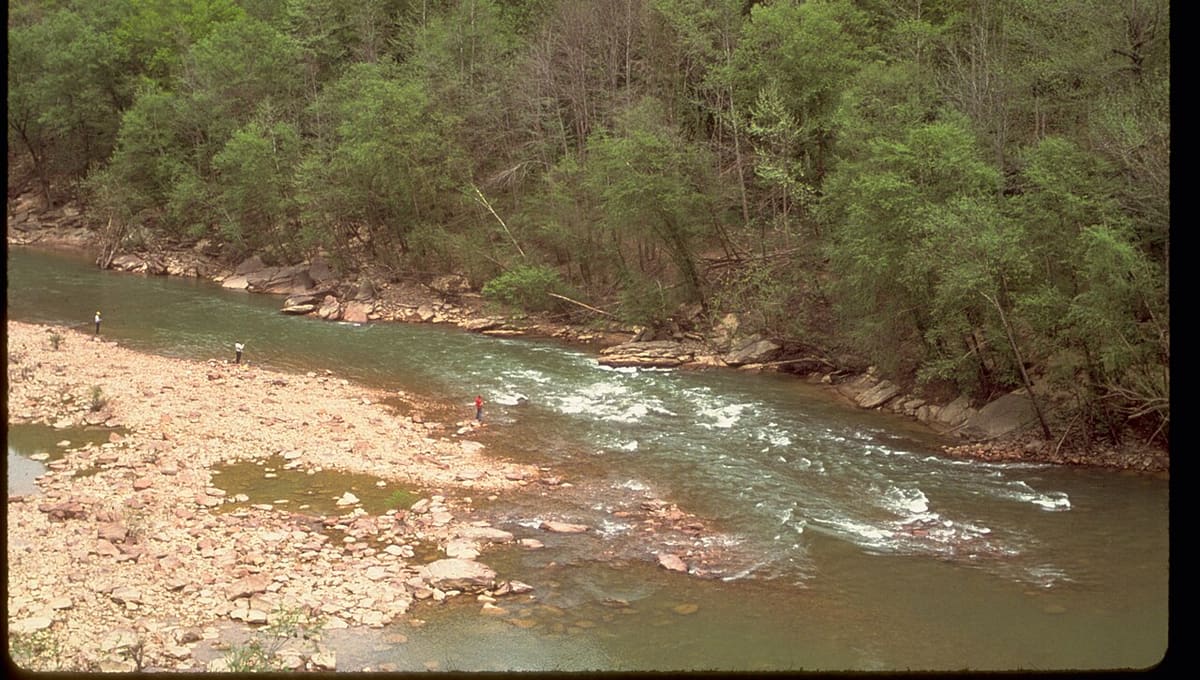
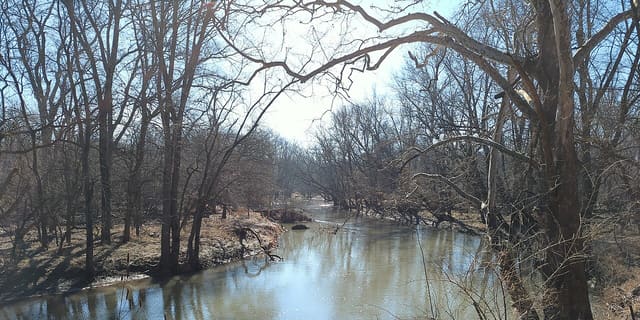
Image: National Park Service Digital Image Archives · Public domain · Wikimedia Commons
Obed Wild and Scenic River protects roughly 2,020 hectares along the Obed River in eastern Tennessee. It's an International Dark Sky Park, a designation the site earned in 2017.
Why Obed is a top stargazing spot
The park's rugged, gorge-cut terrain has discouraged the kind of development that usually brings light pollution, and its skies measure at Bortle Class 2, among the darkest ratings on the scale. There are no large cities or major light sources nearby, and the park has no permanent outdoor lighting, with a standing prohibition on installing any in the future. The result is a night sky close to what the area would have looked like in the 18th century.
What you can see
With Bortle Class 2 conditions, the Milky Way, countless faint stars, and deep-sky objects invisible from most towns and cities become easy to pick out on a clear night.
Visiting Obed at night
The park has run year-round astronomy and dark sky interpretive programs since 2013, working with the ORION Astronomy Club and Knoxville Observers to bring telescopes and expertise to visitors. The Obed Visitor Center sits at 208 North Maiden Street in downtown Wartburg, and a paved route through town gives the most reliable year-round access to the park. Overnight stargazers can base themselves at Rock Creek Campground, which has fire rings, picnic tables, lantern poles and vault toilets, though no showers or potable water; backcountry camping elsewhere in the park requires a free permit, available at the visitor centre or online. The Lily Bluff Overlook and the visitor centre are both handicapped accessible, and by day the park is also popular for kayaking, canoeing and rafting on Class II to IV whitewater, plus more than 300 rock climbing routes. Check the official National Park Service site before you travel for current program dates.
Best time to go
A new Moon night, time to let your eyes adapt to the dark for 20 to 30 minutes, and a red flashlight will all improve what you see. From this Tennessee latitude the Milky Way's core is best placed from roughly March to September, while winter skies bring out Orion and the other winter constellations against Obed's exceptionally dark backdrop. The Perseids in August, the Geminids in December and the Quadrantids in January are all worth planning a visit around.
Getting there
Obed Wild and Scenic River is reached via the paved route through Wartburg, Tennessee, home to the park's visitor centre, which offers the most dependable year-round access to the gorges and river corridor.
See your named star from here
Bortle Class 2 skies like Obed's are about as dark as it gets in the eastern United States, making it a genuinely good place to track down a named star. Bring the coordinates from your Star Register certificate and a stargazing app, learn how to find your star, and browse the star catalogue to choose one before your visit.
Conditions and access vary by season. Check the official website and Google Maps before you travel, and aim for a clear night near the new Moon for the darkest sky.
Satellite imagery: Esri, Maxar, Earthstar Geographics

 52 kmDark Sky Park
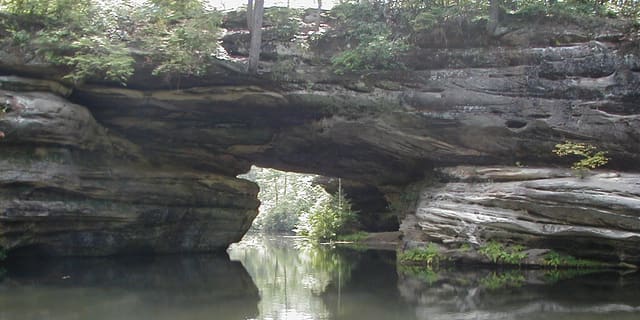
Pickett Civilian Conservation Corps Memorial State Park
state park of Tennessee

 545 kmDark Sky Park
 552 kmDark Sky Park
 556 kmDark Sky Park
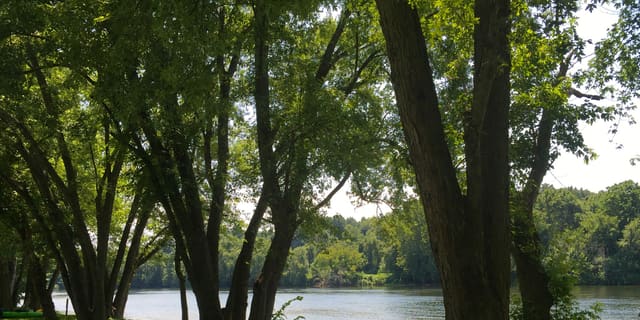
Middle Fork River Forest Preserve
park in Champaign County, Illinois, United States of America