
James River State Park

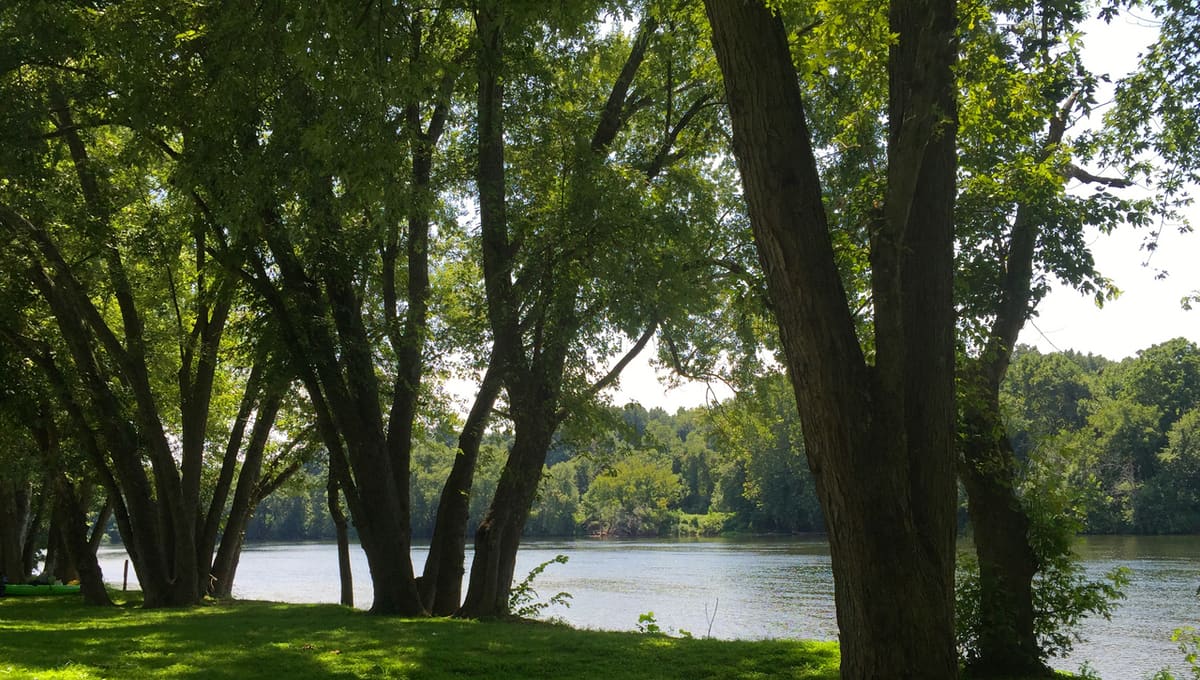
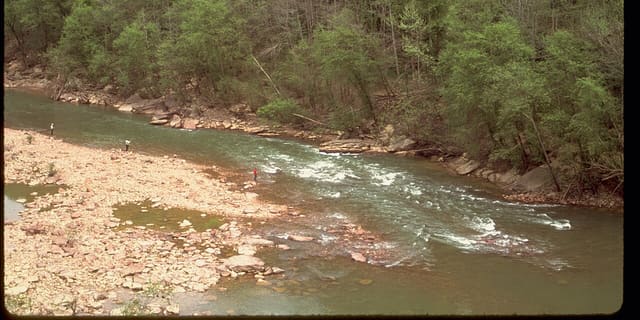
Image: Wikipelli · CC BY-SA 4.0 · Wikimedia Commons
James River State Park lies along the James River in Buckingham County, Virginia, and became an International Dark Sky Park in 2019, the 44th in the United States and the 64th worldwide at the time.
Why James River State Park is a top stargazing spot
The park earned its designation by developing a formal outdoor lighting policy and running community outreach and education programmes on dark skies, an effort set in motion by a Girl Scout Gold Award project focused on dark-sky preservation. Sky quality here reaches Bortle Class 2, a rating reserved for some of the darkest skies still accessible in the eastern United States, making the park a rare find within driving distance of Virginia's larger cities.
What you can see
Under Bortle Class 2 conditions, the Milky Way's core is clearly visible arcing over the river on clear nights, along with far more stars, star clusters and faint nebulae than most visitors will have seen before. The park's open river corridor and surrounding forest give wide, largely unobstructed views of the sky.
Visiting James River State Park at night
Ranger-led observation sessions run twice monthly from May through Labor Day and monthly from September through May; check the Virginia State Parks website for current dates and to reserve a spot. Overnight options include tent-only sites at Branch Pond, Canoe Landing and Walnut Grove (22 sites total), the water-and-electric Red Oak Campground for RVs up to 40 feet, the Horseshoe Campground with pull-through sites and covered horse stalls, and a handful of cabins. The Visitor Center and gift shop, which houses a small nature center and museum, is open daily from 9:30am to 4pm. Reservations for camping and cabins can be made through www.reservevaparks.com or by calling 1-800-933-PARK. The park also preserves part of the historic Kanawha Canal route, so a night under the stars can be paired with some daytime history along the river.
Best time to go
From this Virginia latitude, the Milky Way's brightest core is highest and best placed from around March through September, with the galactic center visible low in the south on summer evenings. Meteor shower watchers should look out for the Perseids in August and the Geminids in December, both strong performers from a site this dark. Whenever you visit, aim for a clear night within a few days of the new Moon, give your eyes at least 20 to 30 minutes to adapt fully to the dark, and use a red light rather than white to protect your night vision.
Getting there
James River State Park sits in Buckingham County in central Virginia, along the river it's named for. The park's official site lists driving directions and current road conditions; because the surrounding roads are unlit rural byways typical of this part of Virginia, it's worth arriving with enough daylight left to get oriented before your night session begins.
See your named star from here
James River State Park's Bortle Class 2 skies and regular ranger-led sessions make it a practical, well-supported place to look for a star you have named. Bring your certificate's coordinates and a stargazing app, and explore star-naming packages or the star catalogue before you go. Our guide on how to find a star in the night sky and the observatories directory can help you plan the visit.
Conditions and access vary by season. Check the official website and Google Maps before you travel, and aim for a clear night near the new Moon for the darkest sky.
Satellite imagery: Esri, Maxar, Earthstar Geographics

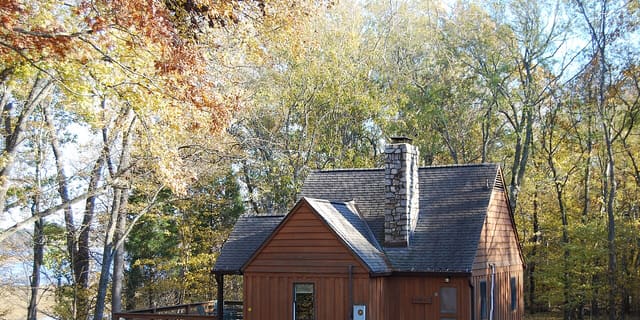 104 kmDark Sky Park
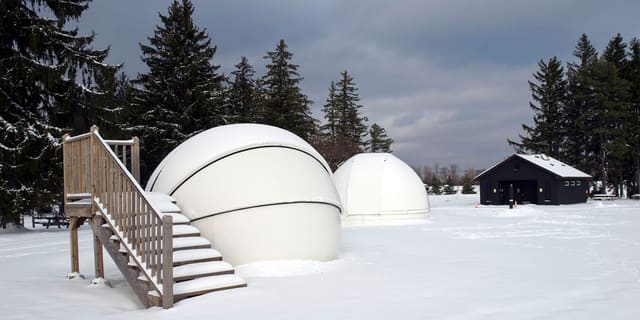 457 kmDark Sky Park
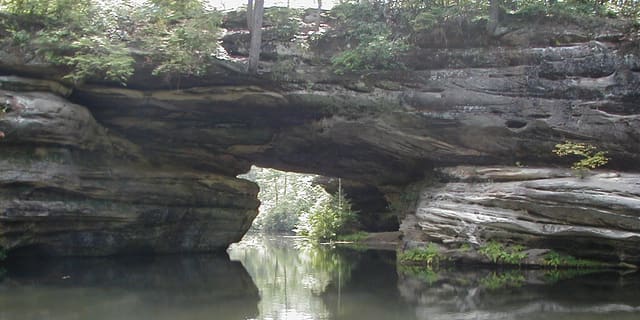 544 kmDark Sky Park
Pickett Civilian Conservation Corps Memorial State Park
state park of Tennessee

 552 kmDark Sky Park