
Cherry Springs State Park

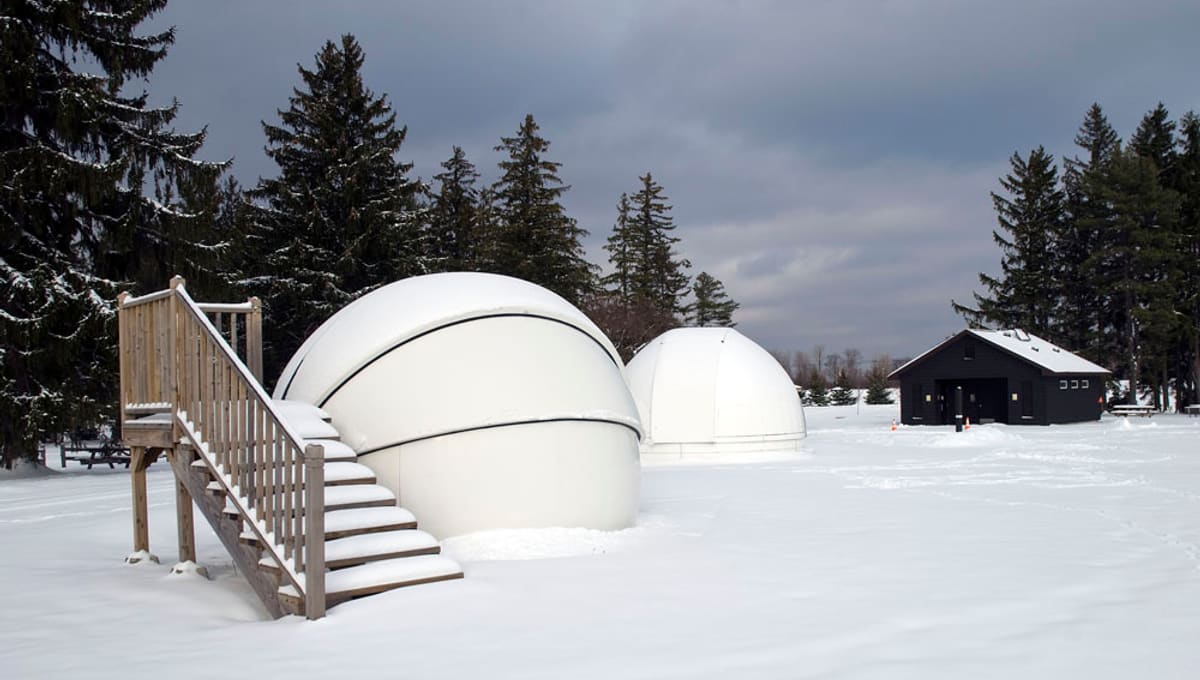
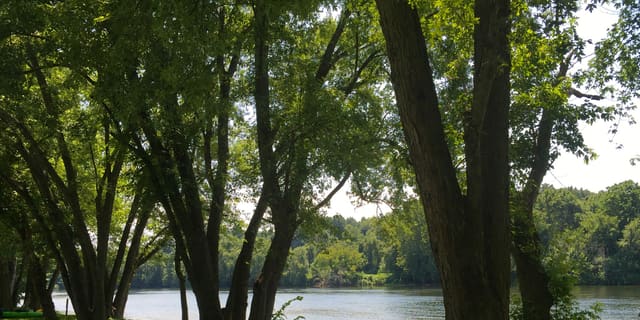
Image: Curt Weinhold · CC BY-SA 3.0 · Wikimedia Commons
Cherry Springs State Park is an 82-acre park atop the Allegheny Plateau in Potter County, Pennsylvania, within the Susquehannock State Forest, long known among astronomers as one of the darkest spots on the U.S. East Coast.
Why Cherry Springs State Park is a top stargazing spot
Cherry Springs was designated an International Dark Sky Park on June 11, 2007, only the second park in the world to receive the status, and it carries a Bortle scale rating of 2, meaning almost no light pollution. Sitting at 2,300 feet elevation with wide, unobstructed sky views, it has been called the 'last best refuge of natural night sky' in the eastern United States.
What you can see
On the best nights, up to 10,000 stars are visible to the naked eye, and the Milky Way appears clearly overhead. Conditions here can be dark enough that the night sky casts a faint, discernible shadow.
Visiting Cherry Springs State Park at night
The park's astronomy field offers 30 rustic, non-electric campsites (RVs up to 80 feet), open seasonally from mid-April through late October, with pit toilets, potable water from hydrants and a sanitary dump station; there are no showers at the campground itself, though showers are available for a small fee at nearby Lyman Run State Park. Pets and internet access are not permitted at the campground. The Cherry Springs Country Store, 1.5 miles north on Route 44, is open Friday and Saturday from 9am to 8pm for essentials. Cherry Springs hosts two major annual gatherings: the Cherry Springs Star Party each June, run by the Astronomical Society of Harrisburg, and the Black Forest Star Party each September, organised by Central Pennsylvania Observers. For current dates and reservations, call the park office at (814) 435-1037 or the statewide line at (888) PA-PARKS.
Best time to go
From this mid-northern latitude, the Milky Way's core is best viewed low in the south from around March through September, while winter nights bring Orion and the bright stars of the season's sky. The Perseid meteor shower peaks in mid-August, a natural match for either of the park's star parties, with the Geminids following in mid-December and the Quadrantids in early January. As always, plan around the new Moon, give your eyes twenty to thirty minutes to adapt to the darkness, and switch to red light once you're on site.
Getting there
Cherry Springs sits on Pennsylvania Route 44 in West Branch Township, Potter County. The nearest towns are Coudersport, about 15 miles northwest, and Galeton, about 13 miles northeast, both worth stocking up in before you arrive; grocery stores and restaurants are available in Coudersport.
See your named star from here
With up to 10,000 stars on view, Cherry Springs is a rewarding place to track down a star you have named through Star Register. Bring your certificate's coordinates and a stargazing app, then explore the star catalogue or our observatories directory for more dark-sky spots near you.
Conditions and access vary by season. Check the official website and Google Maps before you travel, and aim for a clear night near the new Moon for the darkest sky.
Satellite imagery: Esri, Maxar, Earthstar Geographics

 379 kmPreserve
 390 kmPreserve
 390 kmPreserve
 457 kmDark Sky Park