
North Frontenac


Image: P199 · CC BY-SA 3.0 · Wikimedia Commons
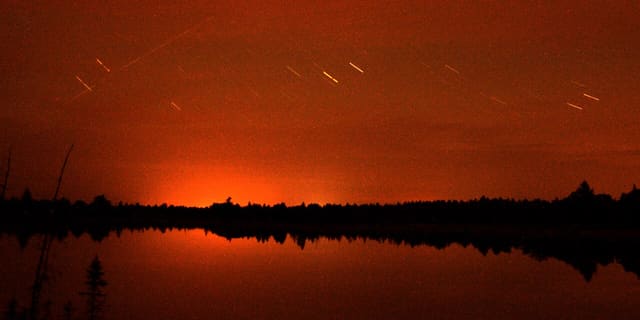
North Frontenac is a rural township in eastern Ontario, Canada, that in 2013 became the first Dark-Sky Preserve in the country.
Why North Frontenac is a top stargazing spot
The Royal Astronomical Society of Canada designated North Frontenac Canada's first Dark-Sky Preserve on August 3, 2013. The township covers 1,164 square kilometres with a low population density and lies well away from large urban centres, giving it some of the darkest and most star-strewn skies in southern Ontario, with sky quality confirmed at Bortle Class 2.
What you can see
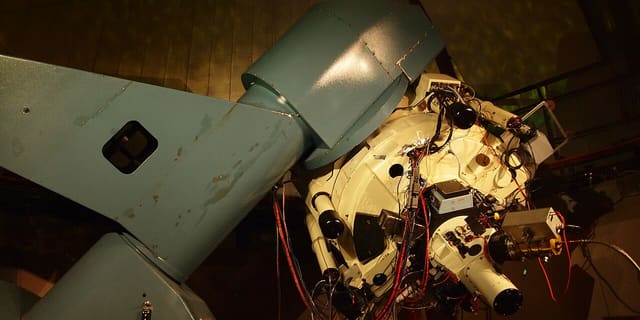
With so little competing light, the Milky Way is clearly visible on clear nights, along with far more stars than are visible from anywhere near Toronto or Ottawa. The township's dedicated North Frontenac Observatory, home to the 16-inch Fred Lossing Telescope, gives visitors a chance to see deep-sky objects such as galaxies, nebulae and planets through a proper instrument as well.
Visiting North Frontenac at night
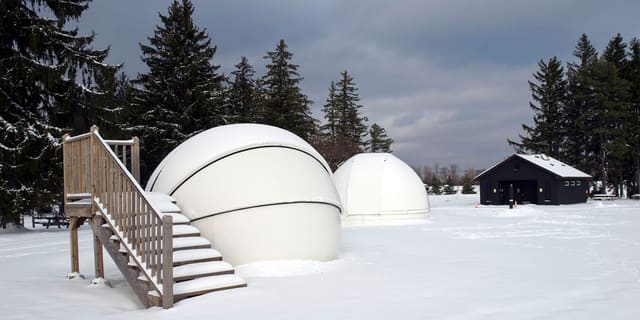
The North Frontenac Astronomy Park, the township's primary viewing site, sits on Road 506 about 4 kilometres south of Plevna. It is open to the public 24 hours a day, every day of the year, with free access, parking, washrooms, electrical service and picnic tables, though no overnight camping is allowed on site. The North Frontenac Observatory, which houses the Fred Lossing Telescope, opened there in August 2021, and volunteers from the North Frontenac Amateur Astronomy Club regularly open it on clear nights outside scheduled events. The club also runs a full calendar through the year, including the annual Festival of the Stars, International Astronomy Day, Perseid meteor shower parties, daytime sun-viewing parties, and sessions on galaxies, nebulae, planets and constellations.
Best time to go
The Milky Way's core is best seen from around March to September, when it rises higher and stays visible longer after dark; winter nights instead favour Orion and the other bright constellations of the cold months, and Ontario's clear winter air can make for exceptionally crisp views. The Perseids in August, the highlight of the Astronomy Club's calendar, are especially rewarding here, alongside the Geminids in December and the Quadrantids in January. Whatever the season, aim for a new-Moon night, let your eyes adjust for 20 to 30 minutes, and use a red light rather than white to protect your night vision.
Getting there
Plevna is the nearest village, about 8 kilometres from the Astronomy Park, with Kingston 116 kilometres away and Ottawa 140 kilometres away, making North Frontenac a realistic night out from either city.
See your named star from here
North Frontenac's protected darkness makes it one of the best places in southern Ontario to look for a star named through star-register.eu. Bring your certificate's coordinates and a stargazing app to the Astronomy Park on Road 506, or use the on-site observatory's telescope for a closer look. Explore our star catalogue or a naming package, and see our observatories directory for other certified dark-sky sites.
Conditions and access vary by season. Check the official website and Google Maps before you travel, and aim for a clear night near the new Moon for the darkest sky.
Satellite imagery: Esri, Maxar, Earthstar Geographics

 204 kmPreserve
 370 kmPreserve
 379 kmDark Sky Park
 453 kmReserve