
Mont-Mégantic International Dark Sky Reserve

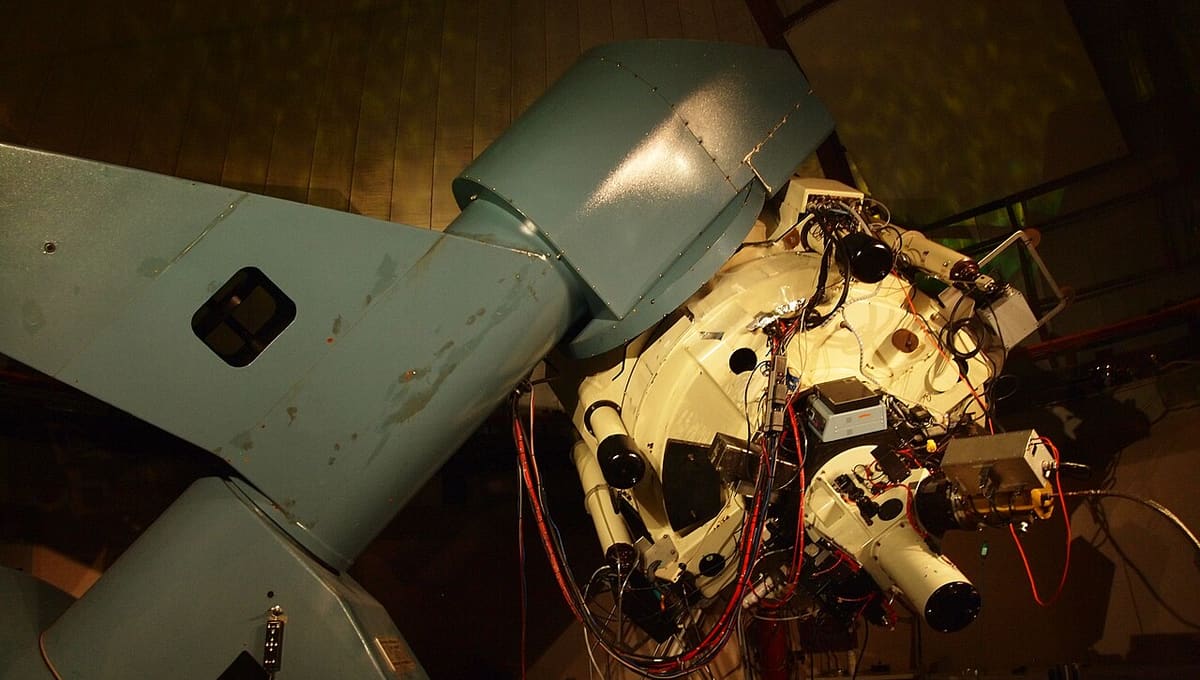
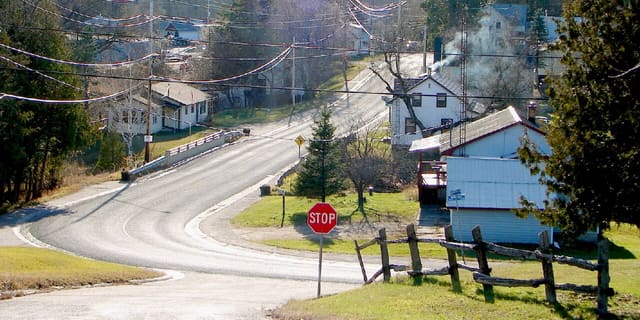
Image: Z22 · CC BY-SA 3.0 · Wikimedia Commons
Mont-Mégantic International Dark Sky Reserve covers roughly 5,500 square kilometres around Mont-Mégantic National Park in the Eastern Townships region of southern Quebec, Canada. It was inaugurated in 2007 as the first International Dark Sky Reserve ever certified by DarkSky International, and it remains the largest IDA International Dark Sky Reserve in the world.
Why Mont-Mégantic is a top stargazing spot
What makes Mont-Mégantic remarkable is its scale and the depth of local buy-in: 34 municipalities within the reserve have adopted by-laws to curb light pollution, and nearly 2,500 lighting fixtures have been replaced using subsidies from three levels of government along with Hydro-Québec, cutting light pollution in the area by an estimated 25 percent and saving around 1.3 gigawatt-hours of electricity a year. The reserve holds IDA Silver-tier certification, and sky-quality readings back up the effort: an average of 21.4 on the Sky Quality Meter scale across six readings, rising to 21.3 at Haut Bois Dormant in nearby Notre-Dame-des-Bois, with the darkest sections independently evaluated at Bortle Class 1 to 2 by former US National Park Service scientist Chad Moore. Sherbrooke, within the reserve's boundaries, is the largest city in the world participating in a dark sky certification, showing that a genuinely dark sky and an urban population can coexist with the right lighting policy.
What you can see
Across a reserve this large, encompassing mountain, forest and rural landscape, the dark sky protections translate into a rich view of the Milky Way and the kind of night sky detail that has made the region a hub for scientific and astronomical activity. On nights of strong geomagnetic activity, southern Quebec's latitude is occasionally far enough north to catch the aurora borealis on the horizon.
Visiting Mont-Mégantic at night
The reserve's official ASTROLab and observatory site, atop Mont-Mégantic near the village of Notre-Dame-des-Bois, is the best place to check current visiting hours, guided astronomy programmes and seasonal access before planning a trip. By day, the ASTROLab runs the 'From the Starry Sky to the Infinite Universe' exhibition and a Virtual Cosmos VR experience for visitors aged 8 and up, and Saturday afternoons often include safe, solar-filtered telescope viewing of the Sun. The park's summit is home to the Popular Observatory as well as a 1.6-metre research telescope, the best-equipped in Canada, and each summer the Mont-Mégantic Astronomy Festival opens public nights with access to that telescope.
Best time to go
Southern Quebec's Milky Way core season runs roughly March to September, best seen low toward the south on a clear summer night, while the long winter nights bring Orion and the rest of the winter sky overhead along with excellent transparency in cold, dry air. The Perseids peak in mid-August, the Geminids in mid-December and the Quadrantids in early January, and the astronomy festival's public nights are a natural time to combine a meteor shower with the big telescope. Whatever the season, plan around the new Moon, allow 20 to 30 minutes for your eyes to adapt to the dark, and use red light instead of white once you are outside.
Getting there
The reserve sits in the Eastern Townships of southern Quebec, a scenic drive from Montreal or Sherbrooke, with the ASTROLab and observatory reached via the village of Notre-Dame-des-Bois. Check the ASTROLab website for current road access and seasonal opening times before you travel.
See your named star from here
A reserve of this scale and darkness is exactly the kind of place to find a named star using its coordinates and a stargazing app, since it reveals stars that simply do not show up under ordinary lighting. Look up your star in the catalogue, read our guide to finding a star in the night sky, and browse our observatories list for more dark-sky destinations.
Conditions and access vary by season. Check Google Maps before you travel, and aim for a clear night near the new Moon for the darkest sky.
Satellite imagery: Esri, Maxar, Earthstar Geographics

 206 kmSanctuary
 392 kmPreserve
 394 kmPreserve
 453 kmPreserve