
Katahdin Woods and Waters National Monument

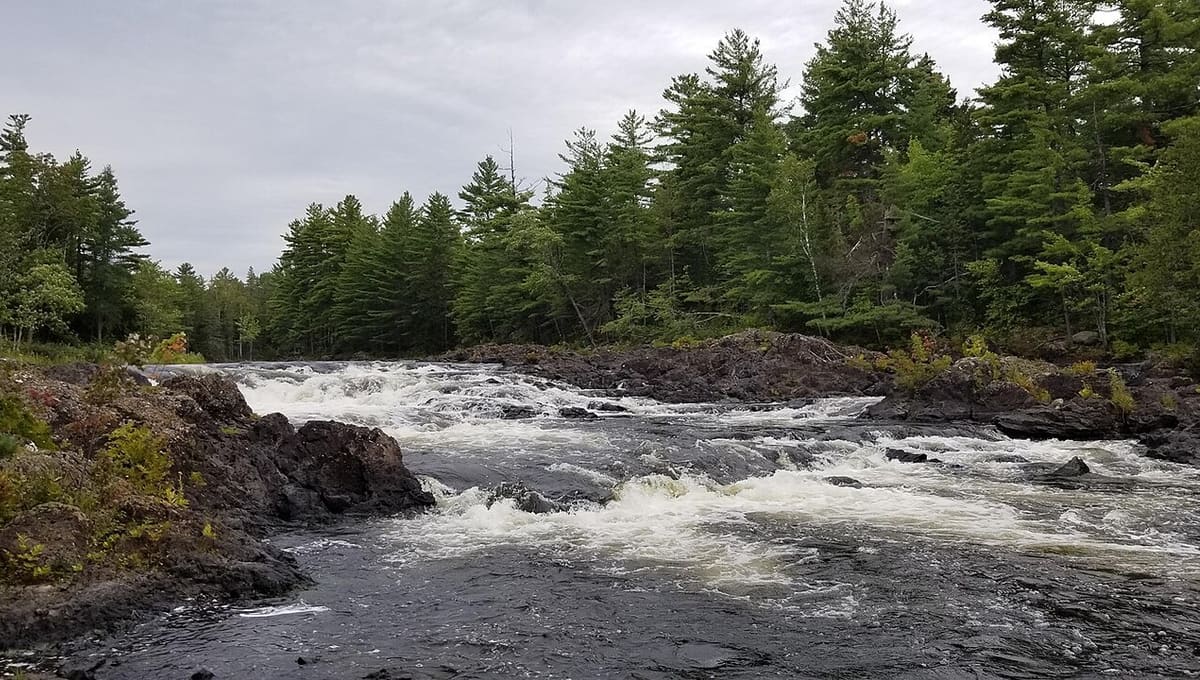
Image: National Park Service / Jason Gablaski · Public domain · Wikimedia Commons
Katahdin Woods and Waters National Monument protects 87,563 acres of mountains, forest and river in northern Penobscot County, Maine, just east of Baxter State Park. Established as a national monument in 2016, it became an International Dark Sky Sanctuary in 2020, the first such sanctuary on the eastern seaboard of the United States.
Why Katahdin Woods and Waters is a top stargazing spot
The monument's skies measure Bortle class 2, the darkest rating recorded east of the Mississippi River. When DarkSky International recognised it as a Sanctuary in 2020, it was only the 12th site in the world to hold that designation, its highest tier reserved for the most remote and pristine night skies. The Tekakapimek Contact Station, a visitor hub inspired by Wabanaki architecture that opened in August 2024, reflects the growing effort to welcome stargazers without compromising that darkness.
What you can see
On a clear night the monument's dark skies reveal a dense field of stars and planets, and visitors this far north in Maine occasionally catch a glimpse of the aurora borealis. The surrounding wilderness, home to moose, bobcats, bald eagles and Canada lynx, adds to the sense of remoteness that keeps the sky so dark, with little competing light for many miles in any direction.
Visiting Katahdin Woods and Waters at night
The monument offers 18 campsites, four three-sided lean-tos and two huts, plus backcountry camping available with a free permit, so an overnight stargazing trip is easy to plan around. There is no potable water within the monument and cell service is limited to non-existent, with no public wifi, so come prepared and download any maps in advance. Some sites, including Upper East Branch and Lunksoos, require a short walk from the parking area, while others are reachable by road in summer. Check the National Park Service website for current road access and any ranger-led night sky programmes before you travel, since conditions vary by season.
Best time to go
At nearly 46 degrees north, Katahdin Woods and Waters sits far enough north that the Milky Way's bright core is best seen from late spring into early autumn, roughly March through September, arcing across the southern sky on clear, moonless nights. Winter brings its own rewards, with Orion and the other bright winter constellations dominating a longer, darker sky. Plan around the Perseid meteor shower in August or the Geminids in December for extra shooting stars, and aim for the new Moon window whenever possible. Give your eyes twenty to thirty minutes to adjust to the dark, and use a red light rather than a white torch to protect your night vision once you're out under the stars.
Getting there
Millinocket is the nearest gateway town with visitor services, and the monument is reached mainly via Route 11, the Katahdin Woods & Waters Scenic Byway, roughly an hour and a half north of Bangor. A visitor contact station in Patten operates from late May to late October for trip planning and current conditions.
See your named star from here
Few places east of the Mississippi offer skies as dark as Katahdin Woods and Waters, making it an excellent spot to find a star you've named through star-register.eu. Bring your certificate's coordinates and a stargazing app to pick it out among the stars overhead. Browse our catalogue of named stars, or explore more certified dark-sky destinations on our observatories page.
Conditions and access vary by season. Check the official website and Google Maps before you travel, and aim for a clear night near the new Moon for the darkest sky.
Satellite imagery: Esri, Maxar, Earthstar Geographics

 205 kmPreserve
 206 kmReserve
 211 kmPreserve
 287 kmPreserve
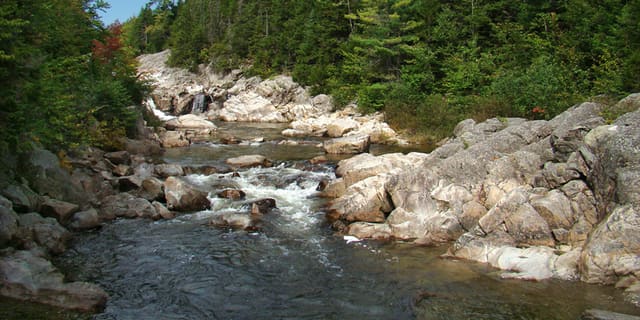
Fundy National Park
Located on the Bay of Fundy, near the village of Alma, New Brunswick