
Fundy National Park

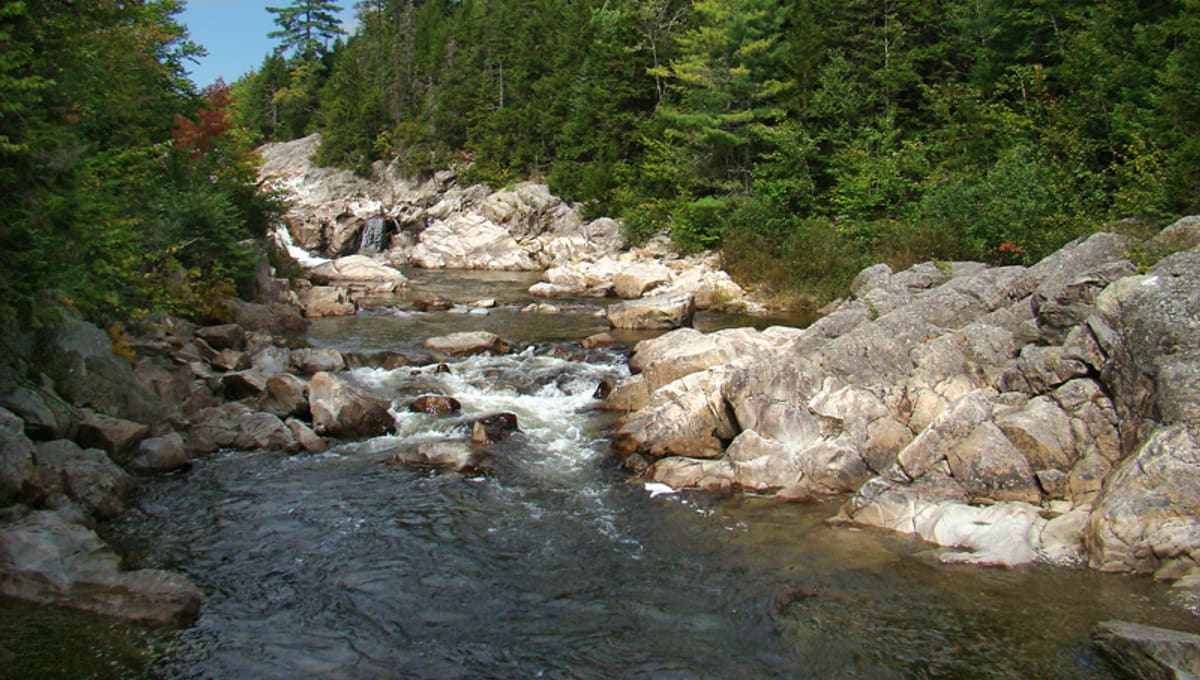
Image: Tango7174 · CC BY-SA 4.0 · Wikimedia Commons
Fundy National Park covers 207 square kilometres of Acadian forest and rugged coastline on the Bay of Fundy, near the village of Alma, New Brunswick. Created on April 10, 1946, the park was designated a Dark-Sky Preserve in 2011. Sky quality readings here average between 21.3 and 21.6 on the SQM scale, among the darker measurements recorded at a Canadian national park.
Why Fundy National Park is a top stargazing spot
Fundy's dark-sky status comes from its sparse surroundings: the nearest town, Sussex, is 40 km away, and the city of Moncton sits 84 km to the north, both too distant to wash out the sky. The park protects its night environment as deliberately as it protects its famous tides and waterfalls, with SQM readings of 21.3 to 21.6 confirming genuinely dark conditions. New Brunswick has also proposed building the world's densest dark-sky corridor, a provincial initiative that may eventually include or expand the protected zone around Fundy, underlining how seriously the region takes its night skies.
What you can see
On a clear night the Milky Way is easily visible from the park's designated viewing areas. Perseids meteor shower events each August draw visitors specifically for the show, and the park's remoteness means fainter stars and deep-sky detail come through that are lost in nearby towns. The aurora borealis is possible here but uncommon: Fundy's relatively southern location within New Brunswick limits how often the northern lights reach this far, so it's a welcome bonus rather than a reliable draw.
Visiting Fundy National Park at night
Caribou Plain, Bennett Lake and Herring Cove are the park's designated stargazing viewing areas. Fundy runs an active night-sky calendar: annual star parties with the New Brunswick RASC Centre, Perseids meteor shower events, moonlight paddles on Bennett Lake through July and August, weekly night hikes, and Starry Night Stories sessions in the fall. Check the park's official schedule before visiting.
Best time to go
Sitting at just under 46 degrees north, Fundy follows a classic northern-hemisphere calendar: the Milky Way core is highest and brightest from roughly March through September, which is also when most of the park's organised night programs run, while the colder months bring long, dark nights well suited to the winter constellations. Beyond the August Perseids, look for the Geminids in December and the Quadrantids in January. Whatever the season, a new Moon night, 20 to 30 minutes of dark adaptation and a red flashlight instead of white will make the biggest difference to what you can see.
Getting there
Fundy National Park sits on the Bay of Fundy near the village of Alma, New Brunswick, reached via Route 114; Sussex is the nearest town at about 40 km away, with Moncton roughly 84 km to the north.
See your named star from here
Fundy's dark SQM readings mean the Milky Way and countless fainter stars, including one you've named, are there to be found from Caribou Plain, Bennett Lake or Herring Cove. Bring your star's coordinates and a stargazing app along on one of the park's night hikes or a moonlight paddle. Haven't named a star yet? See our packages, browse the catalogue, or explore other dark-sky destinations.
Conditions and access vary by season. Check the official website and Google Maps before you travel, and aim for a clear night near the new Moon for the darkest sky.
Satellite imagery: Esri, Maxar, Earthstar Geographics

 101 kmPreserve
 247 kmPreserve
 287 kmSanctuary
 484 kmReserve