
Pickett Civilian Conservation Corps Memorial State Park

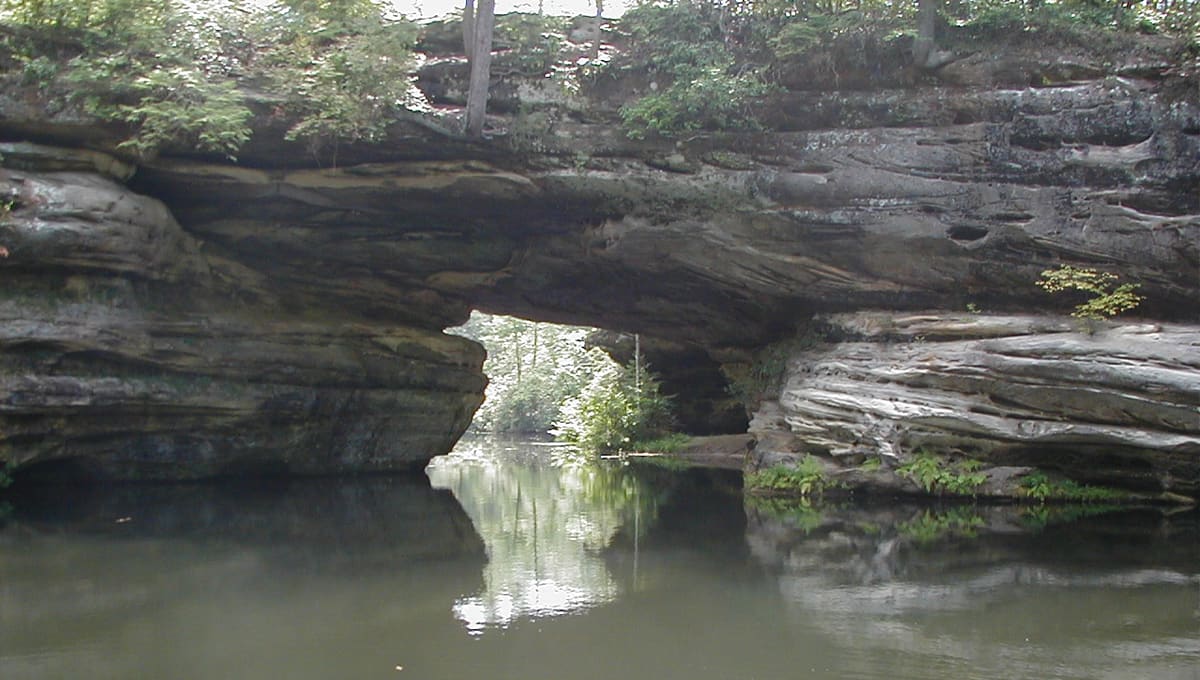
Image: Ichabod · CC BY-SA 3.0 · Wikimedia Commons
Pickett Civilian Conservation Corps Memorial State Park sits in the upper Cumberland Mountains of Pickett County, Tennessee, just northeast of Jamestown and next door to the Big South Fork National River and Recreation Area. In 2015 it became a Silver-tier International Dark Sky Park, the first state park in the Southeast to earn that certification.
Why Pickett CCC Memorial State Park is a top stargazing spot
The park's skies measure Bortle Class 3, a level of darkness that rivals well-known dark-sky destinations out West, an impressive rating for a park this close to the eastern United States' population centres. A dedicated astronomy field at the Pogue Creek Canyon State Natural Area parking lot on Highway 154 is open to the public year-round and has electricity access for telescope users.
What you can see
Under Bortle 3 skies the Milky Way is easily visible to the naked eye, along with far more stars and deep-sky detail than most visitors have ever seen. The park's partnerships with the Barnard-Seyfert Astronomical Society and the University of Tennessee-Knoxville's Space Science Outreach program mean visiting astronomers often help point out what's overhead. Nature adds its own light show too: bioluminescent glow worms, a type of firefly, can be seen glowing in the park's rock shelters from mid-May through early July.
Visiting Pickett CCC Memorial State Park at night
Beyond the astronomy field, the West Beach and Visitor Centre parking lots are recommended spots for stargazing. The park runs dedicated dark-skies programming through peak summer from June to August, plus star parties scheduled throughout the year rather than just once, a New Year's Eve hike, and a Junior Ranger Camp in July. Check the official Tennessee State Parks site for the current schedule before you go, and consult the park's Clear Sky Chart at cleardarksky.com to check forecast cloud cover and transparency ahead of a visit.
Best time to go
Because Pickett holds Bortle 3 skies year-round, there is no single best season, though the peak summer programming from June to August gives you the most ranger-led events to join. Aim for a new Moon night for the darkest possible views, and give your eyes 20 to 30 minutes to dark-adapt once you're set up at the astronomy field. Northern-sky watchers visiting in August can also catch the Perseid meteor shower, while the Geminids in December and Quadrantids in January reward a colder-weather trip.
Getting there
The park is in Pickett County in the upper Cumberland Mountains of north-central Tennessee, just northeast of Jamestown and adjacent to the Big South Fork National River and Recreation Area. Check the Tennessee State Parks website for driving directions and current road conditions before you travel.
See your named star from here
With Bortle 3 skies overhead, this is one of the better places in the Southeast to actually track down a star by name. If you've named a star with Star Register, bring its coordinates and a stargazing app to Pickett and use the dark astronomy field to find it. Explore the star catalogue, browse more dark-sky destinations, or see other certified sites on our observatories page.
Conditions and access vary by season. Check the official website and Google Maps before you travel, and aim for a clear night near the new Moon for the darkest sky.
Satellite imagery: Esri, Maxar, Earthstar Geographics

 52 kmDark Sky Park
 508 kmDark Sky Park
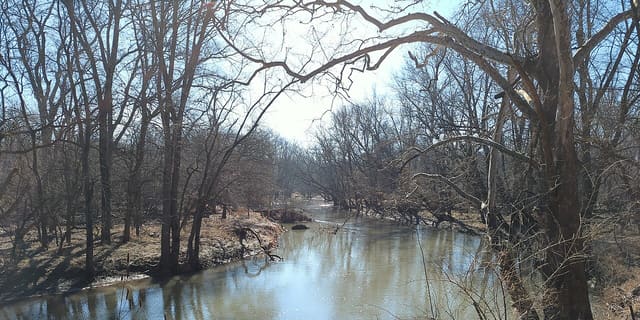
Middle Fork River Forest Preserve
park in Champaign County, Illinois, United States of America

 544 kmDark Sky Park