
Staunton River State Park

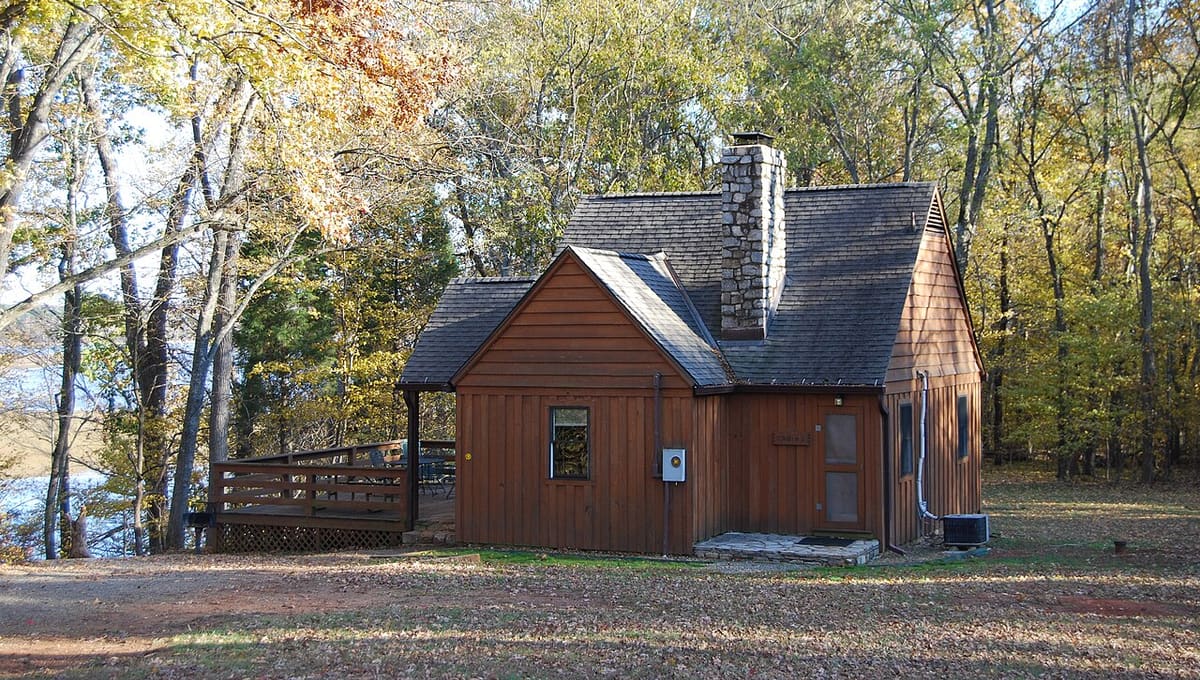
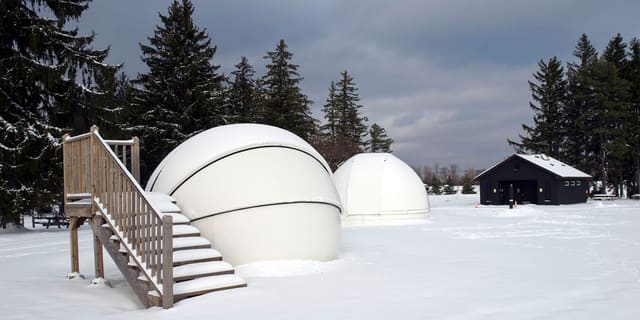
Image: Virginia State Parks staff · CC BY 2.0 · Wikimedia Commons
Staunton River State Park, set along the Dan and Staunton rivers near Scottsburg, Virginia, was one of the Commonwealth's original state parks, built by the Civilian Conservation Corps and opened in 1936. In July 2015 it became Virginia's first International Dark Sky Park, the 25th such park designated worldwide, and it remains one of just four Dark Sky Parks in the state that host organised star parties.
Why Staunton River State Park is a top stargazing spot
The park adopted an outdoor lighting policy specifically to minimize light pollution, protecting the dark skies that earned its designation. It's located about two hours from Richmond or Raleigh, making it a relatively accessible retreat from city light domes for stargazers in the region.
What you can see
With minimal light interference, the park's dark skies are well suited to Milky Way viewing and deep-sky observing through its own telescopes. Since fall 2011, the park has hosted the annual Staunton River Star Party in partnership with the Chapel Hill Astronomical and Observational Society (CHAOS), now run twice a year as a spring and a fall event, drawing observers to look through the park's equipment together.
Visiting Staunton River State Park at night
The park's visitor centre lends telescopes to visitors free of charge, including Newtonian reflectors donated by CHAOS, and its field stays open year-round for astronomical observation. CHAOS also runs monthly guided observing sessions through the summer months alongside special sessions tied to particular astronomical events. The main fixtures are the twice-yearly star parties: a 2026 Spring Star Party runs March 16 to 22 with a free public observation night on March 20 from 8 to 10pm and no registration required, and a 2026 Fall Star Party runs October 5 to 11 with a free public night on October 9 (email the park in advance to register for the full week). Beyond the astronomy, the park has 47 campsites, seven cabins, a bathhouse with laundry facilities, ten wooded trails along the rivers and Buggs Island Lake, and a nine-hole disc golf course, so there's plenty to fill a weekend around a night under the stars.
Best time to go
At this latitude, the Milky Way's core is best placed from around March through September, visible low in the south on clear, moonless summer evenings, while winter swaps that view for Orion, Taurus and the other bright constellations of the cold months, matching up neatly with the park's spring and fall star parties. The Perseid meteor shower peaks in mid-August, the Geminids in mid-December, and the Quadrantids in early January, all worth building a visit around if the forecast cooperates. Whichever season you choose, aim for a night near the new Moon, give your eyes 20 to 30 minutes to adapt to the dark, and use a red light to keep that adaptation once you're out.
Getting there
The park sits near Scottsburg, Virginia, at the confluence of the Dan and Staunton rivers and the edge of Buggs Island Lake, roughly two hours' drive from either Richmond or Raleigh. Its rural setting away from those two cities is a large part of why its skies stay dark enough for Dark Sky Park status.
See your named star from here
A dark sky protected by an official lighting policy is exactly the kind of place where a named star's faint light won't get lost. Bring your certificate's coordinates and a stargazing app to pick it out from the crowd overhead; look it up first in our catalogue, name one of your own via our packages, or explore more dark-sky destinations on our observatories page.
Conditions and access vary by season. Check the official website and Google Maps before you travel, and aim for a clear night near the new Moon for the darkest sky.
Satellite imagery: Esri, Maxar, Earthstar Geographics

 104 kmDark Sky Park
 545 kmDark Sky Park
 546 kmDark Sky Park
Pickett Civilian Conservation Corps Memorial State Park
state park of Tennessee

 557 kmDark Sky Park