
Kissimmee Prairie Preserve State Park

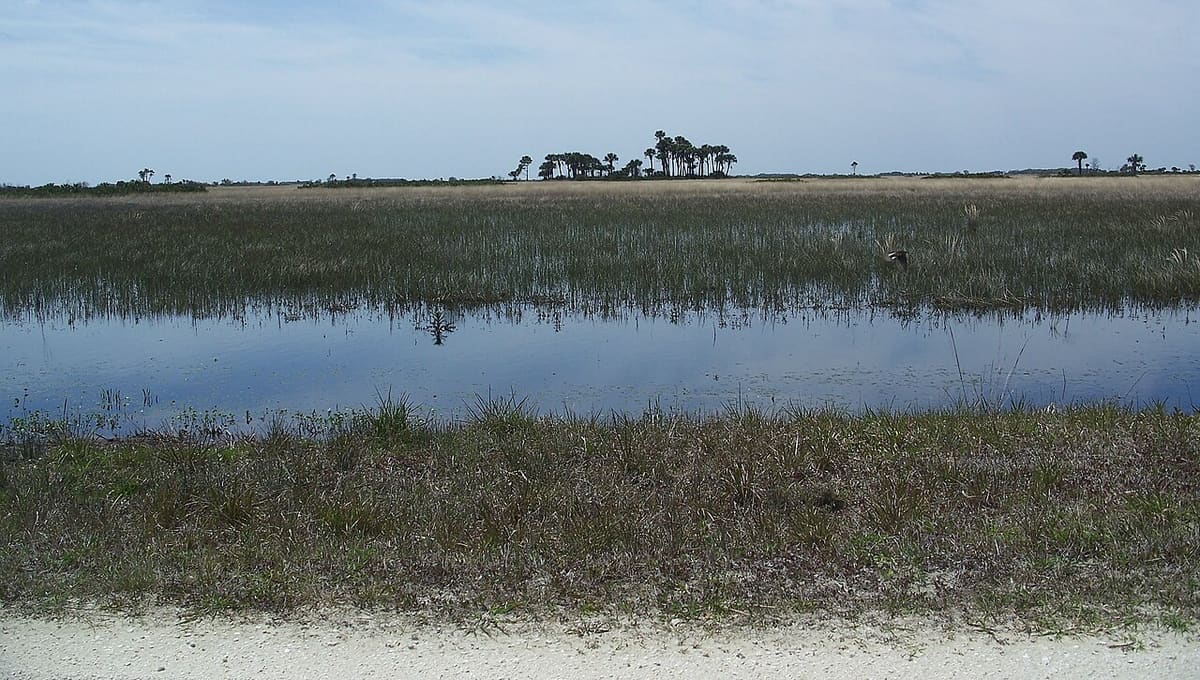
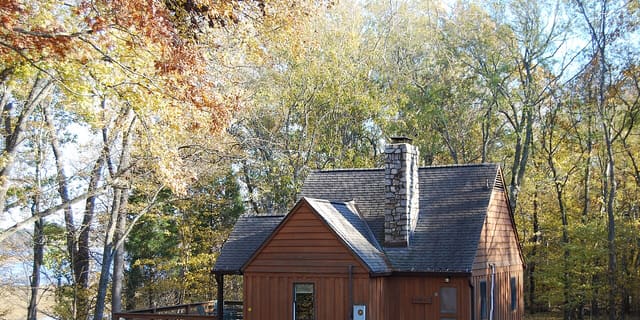
Image: Ebyabe · CC BY-SA 3.0 · Wikimedia Commons
Kissimmee Prairie Preserve State Park lies around 40 km (25 miles) north of Okeechobee, Florida, protecting the largest remaining tract of Florida dry prairie and, since 2016, holding the honour of being Florida's first International Dark Sky Park.
Why Kissimmee Prairie Preserve is a top stargazing spot
The preserve was designated by the International Dark-Sky Association in 2016, making it one of only two IDA Dark Sky Places in Florida, alongside Big Cypress National Preserve, and its skies are rated Bortle class 3. Its flat, open dry-prairie landscape, far from major cities and close to the Kissimmee River watershed, keeps light pollution to a minimum across a wide horizon.
What you can see
Visitors regularly report seeing planets such as Jupiter and Saturn clearly, along with the International Space Station passing overhead and the glowing gas clouds of the Milky Way visible to the naked eye or through binoculars. The preserve's location near Florida's east coast also means rocket launches from nearby space centers are sometimes visible on the horizon.
Visiting Kissimmee Prairie Preserve at night
The park offers dedicated astronomy pad campsites for overnight stargazing trips, with red-spectrum lighting rules and no campfires allowed at these sites to protect everyone's night vision, alongside full-facility and primitive equestrian campgrounds. Water and electricity are provided only at the family camping area, and a spacious bathhouse with laundry facilities serves all campers. By day, more than 100 miles of dirt roads open up for hiking, biking and horse riding, and ranger-led prairie buggy tours reach the preserve's more remote corners. Check the Florida State Parks page for current hours and camping availability before you go.
Best time to go
Kissimmee Prairie's low latitude works in its favour: the Milky Way's bright core is visible for an extended stretch, roughly March through October, arcing high across the southern sky on clear nights. Winter brings crisp views of Orion and the other bright winter constellations instead. The Geminids in December and the Perseids in August are the standout meteor showers to plan around, and as with any dark-sky trip, aim for the new Moon window, allow twenty to thirty minutes for your eyes to adapt, and bring a red light to protect your night vision. The best viewing comes around astronomical twilight, when the sky is darkest.
Getting there
The preserve is about 25 miles north of Okeechobee, Florida, off US 441, with the nearest town offering fuel and supplies before you head into the park's remote interior.
See your named star from here
With skies this clear, Kissimmee Prairie is a great place to actually track down a named star rather than just look at it on a certificate. Bring your star's coordinates and a stargazing app to one of the astronomy pad sites and use the wide-open prairie horizon to your advantage. Explore the star catalogue or browse other dark-sky sites for more places to try.
Conditions and access vary by season. Check the official website and Google Maps before you travel, and aim for a clear night near the new Moon for the darkest sky.
Satellite imagery: Esri, Maxar, Earthstar Geographics

 196 kmDark Sky Park
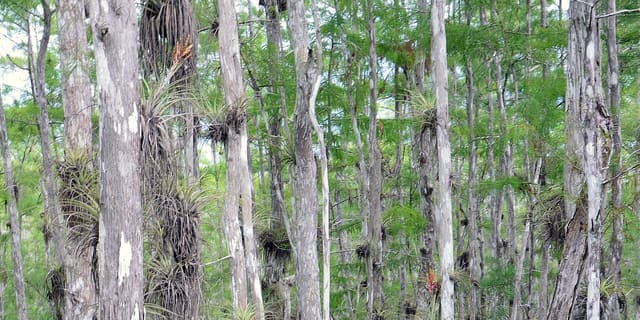
Big Cypress National Preserve
729,000-acre area in Florida (US) managed by the National Park Service

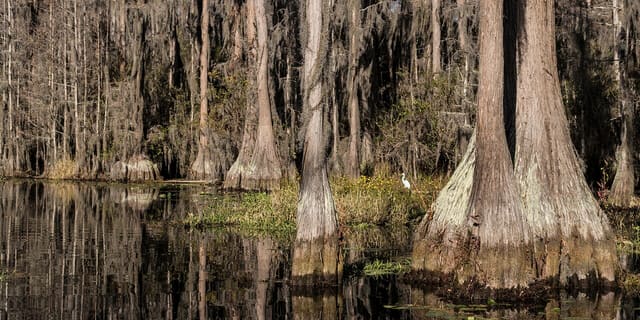 378 kmDark Sky Park
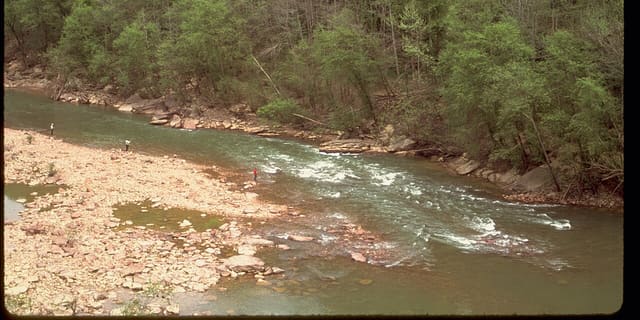 1,002 kmDark Sky Park
 1,034 kmDark Sky Park