
Stephen C. Foster State Park

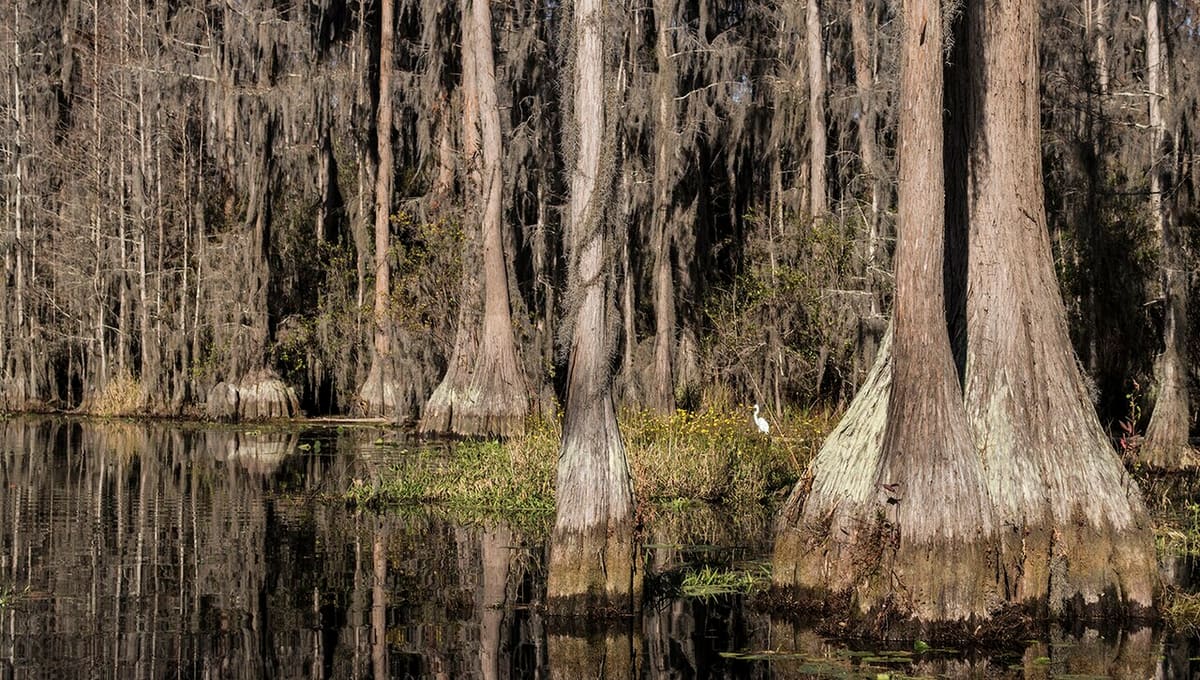
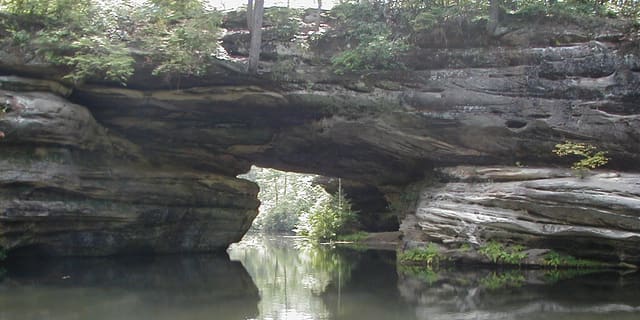
Image: Tabetha Moe · CC BY-SA 4.0 · Wikimedia Commons
Stephen C. Foster State Park is a 120-acre park deep in the Okefenokee Swamp in Charlton County, Georgia, best known for boat tours through the swamp's unique wetland ecosystem. In November 2016 it became the first park in Georgia to earn Gold-tier International Dark Sky Park accreditation, the top tier the program awards.
Why Stephen C. Foster State Park is a top stargazing spot
Tucked inside the Okefenokee National Wildlife Refuge, the park's remote location leaves it with minimal light pollution, and its skies measure Bortle Class 2, one of the darkest ratings on the standard nine-step scale and among the darkest anywhere in the Southeast United States. Getting there took real work: the park removed 13 street lights, installed directional LED fixtures, added motion-activated sensors to cabin lighting, and partnered with the local electrical co-op on lighting standards.
What you can see
Under Bortle 2, Gold-tier skies, the Milky Way is clearly visible, particularly striking in late summer, and visitors regularly spot meteors streaking overhead. The swamp setting adds an unusual foreground to the view, with cypress and open water reflecting the night sky.
Visiting Stephen C. Foster State Park at night
The park runs astronomy night programs throughout the year and keeps 8-inch and 10-inch Orion SkyQuest Dobsonian telescopes on site for stargazers to use. The gate is open daily from 7 a.m. to 10 p.m., though the park office keeps shorter hours of 8 a.m. to 5 p.m., and a $5 refuge entry fee applies per vehicle, with annual passes available for frequent visitors. Check the park's astronomy page for the current programme schedule before you travel.
Best time to go
Sitting in the Northern Hemisphere at a fairly low latitude, the park has a long stargazing season: the Milky Way's bright core is visible roughly from March to September and climbs highest through the late-summer months, matching visitor reports of the best views. Meteor watchers should look out for the Perseids in August and the Geminids in December, both rewarding here under Bortle 2 skies. Whichever month you choose, plan around the new Moon for the darkest possible night, arrive with twenty to thirty minutes to let your eyes adapt to the dark, and use a red light rather than white to protect your night vision.
Getting there
The park sits about 18 miles from Fargo, Georgia, the nearest town, along rural roads deep inside the Okefenokee Swamp. It is worth fuelling up and checking road conditions before you set out, especially if you plan to be driving back after dark.
See your named star from here
Gold-tier, Bortle 2 darkness like this, hard-won through years of lighting improvements, is exactly the setting where a named star's light stands out clearly. Bring your certificate's coordinates and a stargazing app, look it up in our catalogue first, or start the process with our packages; you can also browse more certified dark-sky sites on our observatories page.
Conditions and access vary by season. Check the official website and Google Maps before you travel, and aim for a clear night near the new Moon for the darkest sky.
Satellite imagery: Esri, Maxar, Earthstar Geographics

 378 kmDark Sky Park
 567 kmDark Sky Park
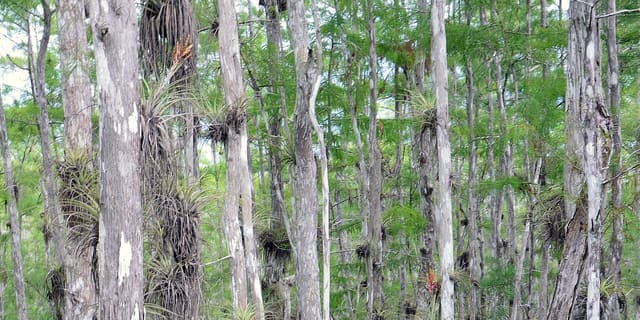
Big Cypress National Preserve
729,000-acre area in Florida (US) managed by the National Park Service

 625 kmDark Sky Park
 675 kmDark Sky Park
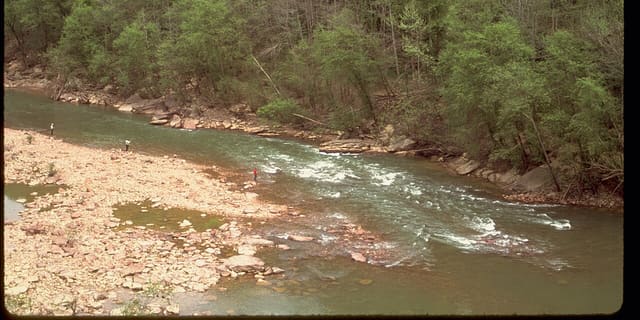
Pickett Civilian Conservation Corps Memorial State Park
state park of Tennessee