
La Palma Starlight Reserve

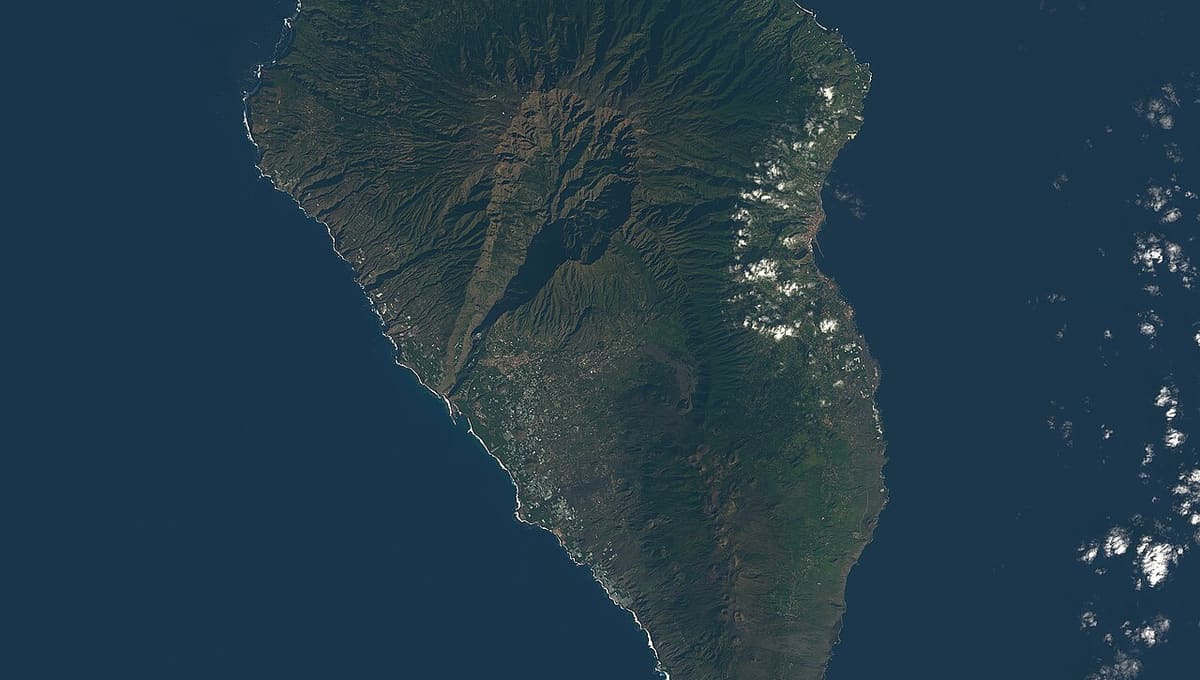
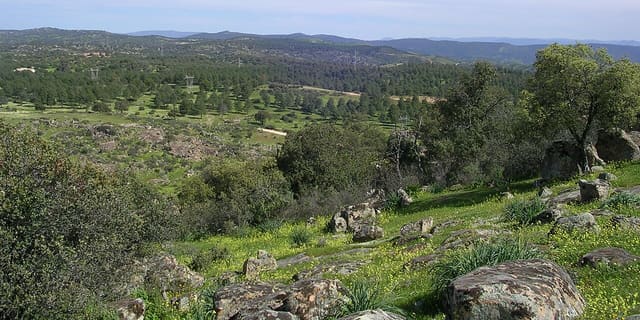
Image: O.V.E.R.V.I.E.W. · CC BY 2.0 · Wikimedia Commons
La Palma is the most northwesterly of Spain's Canary Islands, rising to 2,426 metres at the Roque de los Muchachos, its highest peak. In 2012 it became the world's first Starlight Reserve, formalising a commitment to protecting its night sky that had already been enshrined in law since 1988.
Why La Palma is a top stargazing spot
La Palma's 1988 sky protection law is unusually comprehensive: it guards the island's darkness against light pollution, atmospheric pollution, radio interference, and even aviation flight paths, which together preserve the exact conditions astronomers need. That legal framework has kept night sky brightness stable since 2000, and the island's northern regions, where its professional observatories sit, remain genuinely pitch-dark. Measurements at the Roque de los Muchachos site average a sky quality of about 21.90 magnitudes per square arcsecond on moonless nights, with a peak reading of 22.03 recorded in 2025, placing the island among the very darkest Bortle 1-2 locations on Earth. Unlike most inhabited islands, La Palma has no mercury or sodium street lighting to contaminate the spectrum; what little glow reaches the sky is natural airglow. The island is also home to the Roque de los Muchachos Observatory, among the most prestigious astrophysical facilities in the world, and the Gran Telescopio Canarias, one of the largest single-aperture optical telescopes on Earth.
What you can see
With night sky brightness held stable for over two decades by law, La Palma offers a reliably dark Milky Way and clear views of stars, planets, and galaxies from its darker northern zones. It's the kind of consistency that has made the island a base for professional astronomy for decades, not just a one-off dark night.
Visiting La Palma at night
As a recognised Starlight Tourist destination, La Palma has an established astrotourism scene. Operators such as AstroLaPalma, active since 2012, along with Ad Astra La Palma and Canary Live Experience, run guided sessions of one to three hours using portable telescopes and expert commentary on constellations, planets and galaxies. The Roque de los Muchachos Observatory itself is not open to the public after dark; its visitor centre runs daytime guided tours of roughly 1.5 to 2 hours by reservation, open 10:00 to 16:00 in winter and 10:00 to 17:00 in summer, so night viewing happens with portable equipment at dedicated dark-sky sites rather than at the professional telescopes. Book a guided session if you want expert help finding specific objects, and bring warm clothing for the altitude near the observatories along with a red light to protect your night vision.
Best time to go
La Palma sits at a northern latitude of just under 29 degrees, so the Milky Way's bright core is highest and best placed from March through September, arcing overhead on summer evenings. Winter months still reward visitors with crisp views of Orion and the other bright winter constellations once the core has set. Meteor season adds reasons to plan a trip: the Perseids peak in August and the Geminids in December, with the Quadrantids offering a colder January display. Whatever the season, time your visit around a new Moon for the darkest skies, allow twenty to thirty minutes for dark adaptation, and stick to red light once observing.
Getting there
La Palma Airport sits about 7 km from the capital, Santa Cruz de la Palma, with buses running roughly every 30 minutes into town (about 35 minutes, €5-10) or a taxi for around €20-25. The darkest sites and the observatory are up in the island's mountainous north, reached by winding roads that climb well over 2,000 metres, so allow extra travel time and pack layers for the drop in temperature at altitude.
See your named star from here
An island with night sky brightness kept stable by law for over two decades is about as reliable a place as exists to look for a star named through Star Register. Bring your certificate's coordinates and a stargazing app, check the star catalogue before you go, and pair your visit with a trip to the island's renowned observatories.
Conditions and access vary by season. Check the official website and Google Maps before you travel, and aim for a clear night near the new Moon for the darkest sky.
Satellite imagery: Esri, Maxar, Earthstar Geographics

 126 kmStarlight Reserve
 378 kmStarlight Reserve
 1,432 kmStarlight
 1,687 kmStarlight Reserve