
Fuerteventura Starlight Reserve

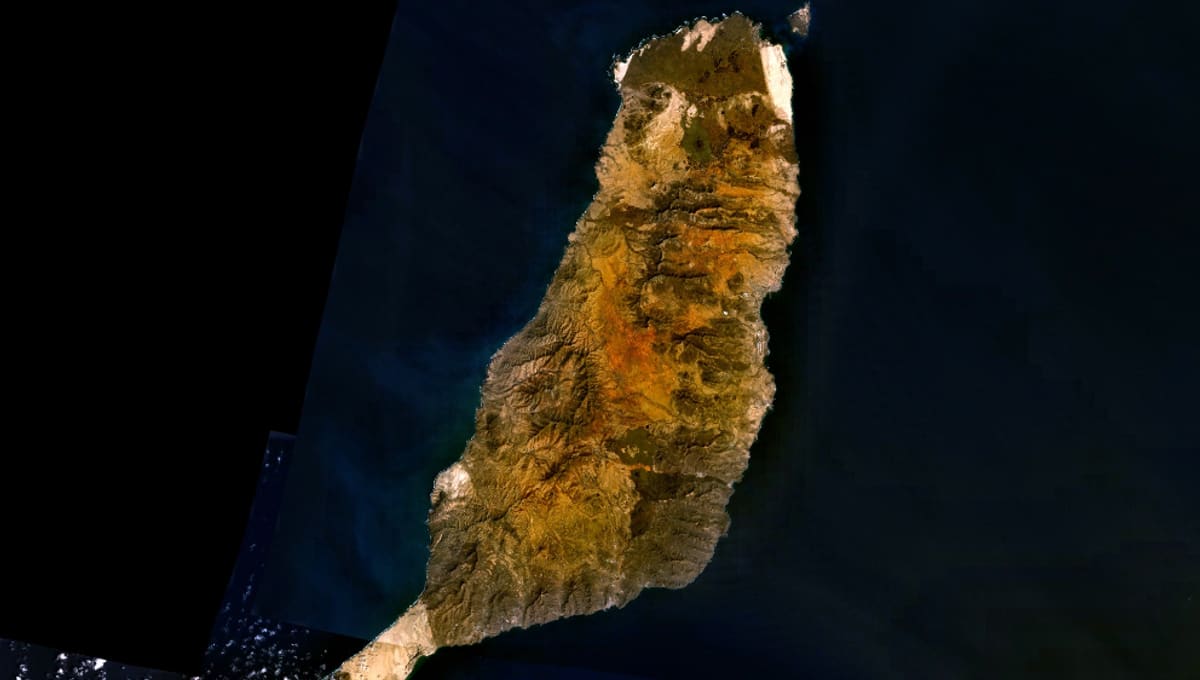
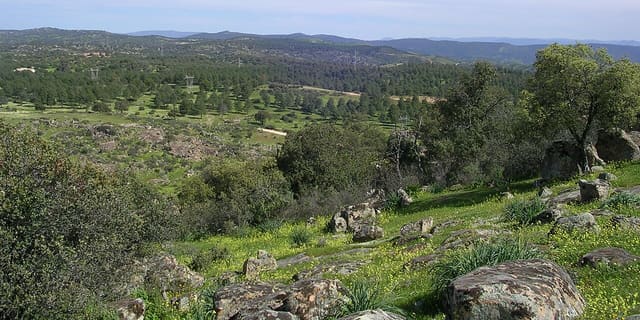
Image: Public domain · Wikimedia Commons
Fuerteventura, one of Spain's Canary Islands off the coast of North Africa, was designated a Starlight Reserve by UNESCO in the summer of 2015, becoming the third Canary Island to earn the status after La Palma and Tenerife's Mount Teide.
Why Fuerteventura is a top stargazing spot
Fuerteventura sits at the most southwestern point of the Canary archipelago, a position that naturally shields it from the light pollution of neighbouring Lanzarote to the north and Gran Canaria to the west. Combined with roughly 320 days of sunshine a year, that geography gives the island some of the darkest, most consistent night skies in the group and dependably clear conditions for observing.
What you can see
From Fuerteventura, observers can see roughly 85% of the northern celestial hemisphere and about 60% of the southern celestial sphere with the naked eye, an unusually wide sweep of sky for a single location. Summer nights bring a dramatic Milky Way arc stretching across the horizon, while winter skies turn crisp and reveal Orion, Taurus and Gemini in sharp detail. The island also sits well for meteor showers: the Perseids peak in August, the Geminids in December, and the Lyrids in April typically produce 10 to 20 meteors an hour under dark conditions.
Visiting Fuerteventura at night
Several commercial stargazing operators run guided sessions on the island, typically one to three hours long, using telescopes and laser pointers with an astronomer guide to walk you through the sky. Stars by Night, the island's dedicated astrotourism company, has run sessions since 2012, and the Verdeaurora Bio Farm also hosts stargazing workshops at what's considered one of the island's best observing locations. For independent stargazers, the Corralejo Dunes in the north offer an accessible dark-sky spot, though with some ambient light from the nearby town, while an ancient stone circle on the east coast offers pristine skies and natural wind protection.
Best time to go
Fuerteventura's position in the northern hemisphere means the Milky Way core is at its best from roughly March through September, with the summer months giving the fullest view of the galactic arc; winter swaps that for the sharp, bright stars of Orion and its neighbours. With around 320 clear nights a year, almost any time of year offers good odds of a clear sky, so it's worth timing a trip around the new Moon for the darkest possible conditions and allowing 20 to 30 minutes for your eyes to adapt before serious viewing begins.
Getting there
Fuerteventura is reached by air via Fuerteventura Airport near Puerto del Rosario, or by ferry from the other Canary Islands and mainland Spain. The Corralejo Dunes lie in the island's north, while the stone circle viewing spot sits on the east coast, both accessible by car from the main towns.
See your named star from here
With close to 85% of the northern sky visible to the naked eye, Fuerteventura is a genuinely practical place to go looking for a star named through Star Register. Bring your certificate's coordinates and a stargazing app, check the star catalogue ahead of your trip, and pair a night on the island with a visit to one of the Canary Islands' observatories.
Conditions and access vary by season. Check Google Maps before you travel, and aim for a clear night near the new Moon for the darkest sky.
Satellite imagery: Esri, Maxar, Earthstar Geographics

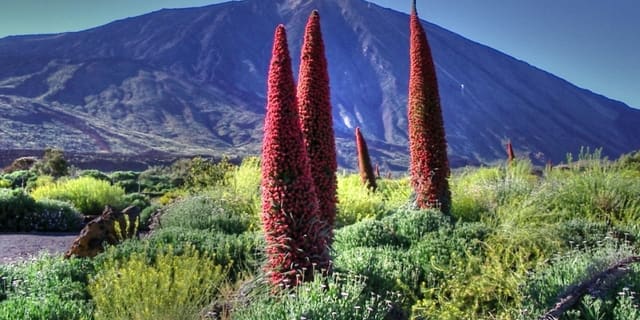 259 kmStarlight Reserve
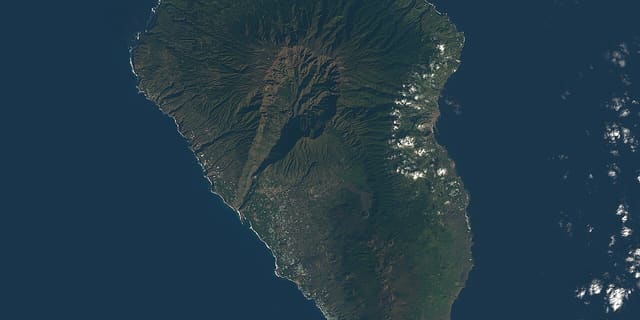 378 kmStarlight Reserve
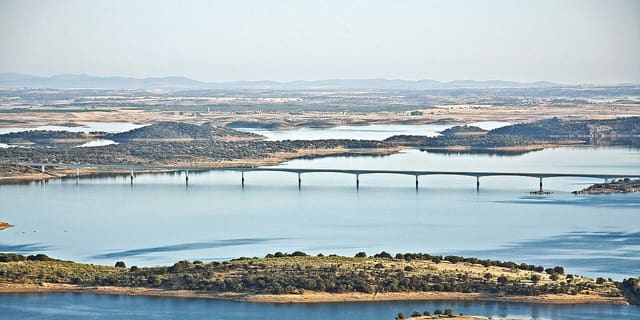 1,247 kmStarlight
 1,454 kmStarlight Reserve