
Sierra Morena Starlight Reserve

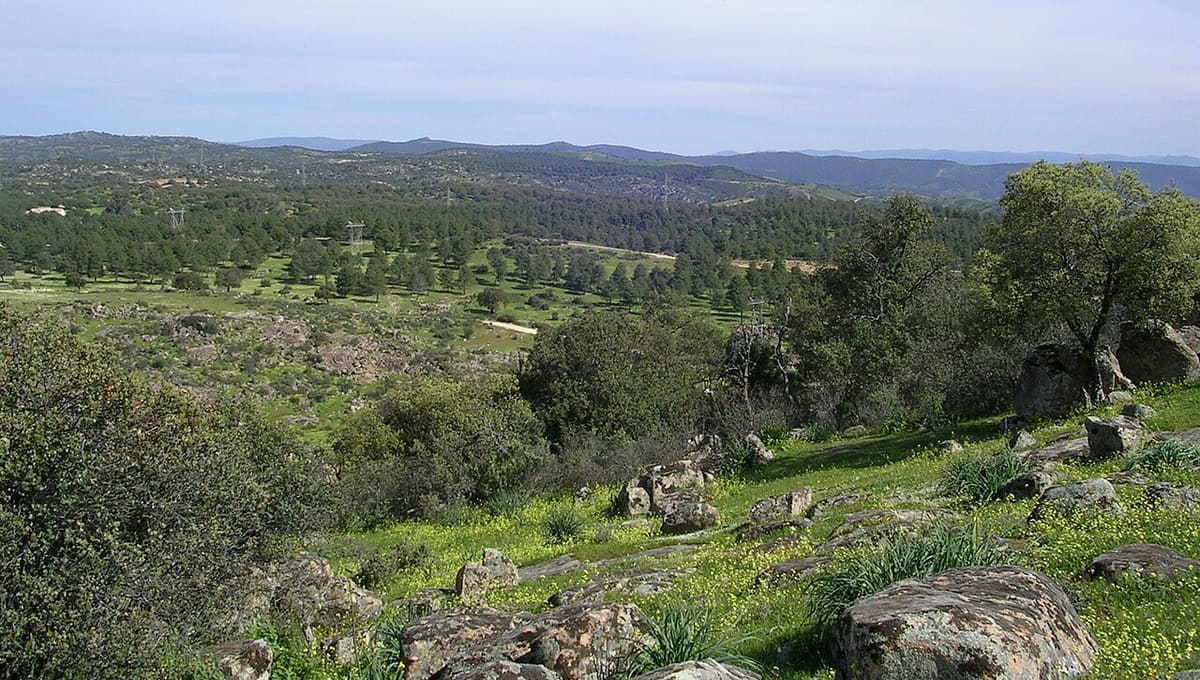
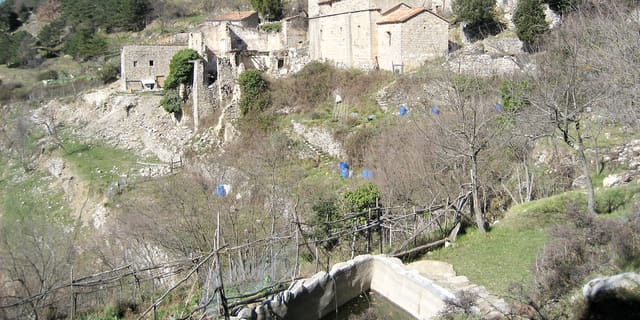
Image: CC BY-SA 3.0 · Wikimedia Commons
The Sierra Morena is a mountain range stretching roughly 450 kilometres across southern Spain, forming the southern edge of the Meseta Central plateau. Since 2014, a vast stretch of it has held Starlight Reserve status, certified by the Starlight Foundation and endorsed by UNESCO, making it the largest Starlight Reserve and Starlight Tourist Destination in the world.
Why Sierra Morena Starlight Reserve is a top stargazing spot
The reserve extends over 400 kilometres across the Andalusian provinces of Jaen, Cordoba, Seville and Huelva, covering 57 municipalities and more than 400,000 hectares, including six nature reserves. Low population density across these northern provinces keeps light pollution to a minimum, and more than 60% of nights here are clear. Astronomers rate the resulting sky darkness as comparable to that above many professional observatories, a rare combination of scale and consistency for a reserve of this size.
What you can see
With so little artificial light and such a high proportion of clear nights, the Milky Way and a wealth of fainter stars are readily visible across the reserve, conditions that rival dedicated observatory sites. A network of maintained lookout points gives visitors reliable, unobstructed views of the night sky, and the reserve's sheer size means there is almost always a dark corner of it under clear skies somewhere.
Visiting Sierra Morena Starlight Reserve at night
The reserve has a network of strategically placed and maintained viewpoints for stargazing, including the official lookouts at Mingorramos in Jaen and the Royal Observatory La Jara in Seville. Astrophotography workshops and guided observation sessions run with experienced specialists, giving visitors without their own equipment a way to get a close look at the sky. Given the size of the reserve, it is worth planning your visit around one of the official viewpoints and checking current workshop schedules in advance.
Best time to go
From a northern-hemisphere site like this, the core of the Milky Way is highest and best placed from around March through September, arcing across the southern sky after dark. Winter nights trade that view for the bright constellations of Orion and Taurus, still striking under skies this dark. The Perseid meteor shower peaks in mid-August and is a reliable highlight, while the Geminids in mid-December and the Quadrantids in early January reward a cold-weather trip. Whatever the season, plan around the days near a new Moon, allow 20 to 30 minutes for your eyes to adapt to the dark, and use a red light rather than a white torch to protect that night vision.
Getting there
The reserve spans four Andalusian provinces, so the nearest access point depends on where you're heading: Jaen, Cordoba, Seville and Huelva all sit on its edges, with the official viewpoints at Mingorramos and the Royal Observatory La Jara giving two practical starting points. As the reserve has no single official website of its own, check the Andalucia tourism board's astrotourism pages for directions to a specific lookout before you travel.
See your named star from here
A sky this dark, on a par with professional observatories, is exactly the kind of place to go looking for a star you have named. Bring its coordinates and a stargazing app to one of the reserve's official viewpoints and try to pick it out for yourself. Browse the star catalogue, name your own star through Star Register, or see more certified dark sky destinations on our observatories page.
Conditions and access vary by season. Check Google Maps before you travel, and aim for a clear night near the new Moon for the darkest sky.
Satellite imagery: Esri, Maxar, Earthstar Geographics

 320 kmStarlight
 562 kmReserve
 608 kmReserve
 706 kmDark Sky Park