
Dark Sky Alqueva

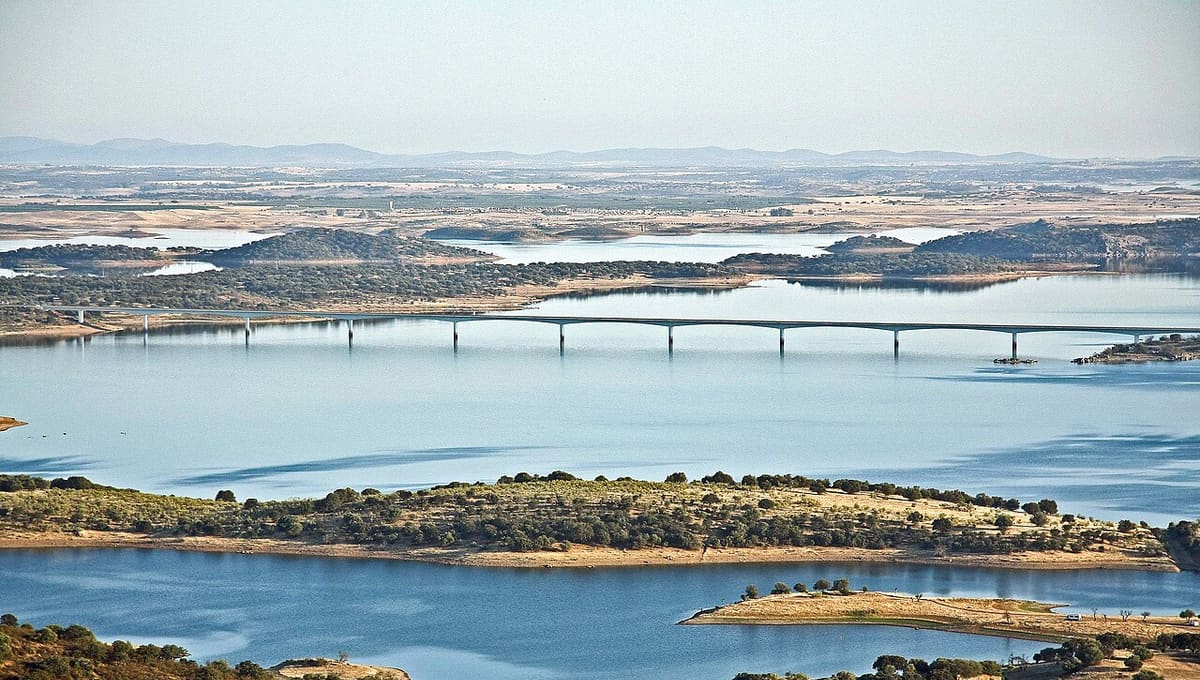
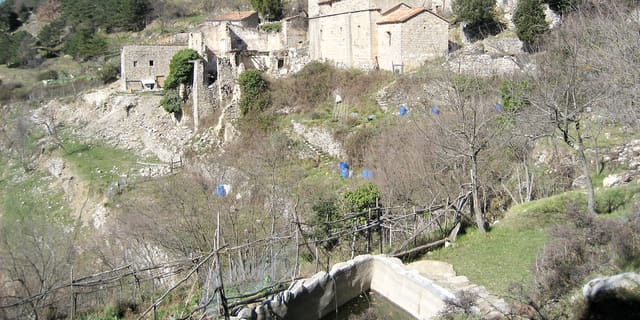
Image: Vitor Oliveira from Torres Vedras, PORTUGAL · CC BY-SA 2.0 · Wikimedia Commons
Dark Sky Alqueva surrounds the Great Lake of Alqueva in southern Portugal, covering more than 10,000 km² across 11 Portuguese municipalities, including Evora, Moura, and Reguengos de Monsaraz, plus neighbouring areas in Spain. Certified in 2011 by the Starlight Foundation with backing from UNESCO and UN Tourism, it became the world's first Starlight Tourism Destination and the first transboundary one.
Why Dark Sky Alqueva is a top stargazing spot
Starlight certification recognises places with exceptionally low light pollution, high atmospheric quality, and active protection of the night sky, and Alqueva was the location chosen to launch the designation worldwide. The region records around 286 clear nights a year, and sky quality readings at some sites reach 21.60 magnitudes per square arcsecond, corresponding to Bortle Class 3-4 conditions, still dark enough for excellent naked-eye and telescope viewing across such a wide protected area. The Cumeada Observatory, housed in a former primary school fully refurbished for astronomy and equipped with astronomical and solar telescopes, anchors the region's astrotourism programme, staffed in part by internationally recognised astrophotographers.
What you can see
With so many clear nights and minimal light pollution across such a wide area, the Milky Way is a regular sight here, along with planets, star clusters, and deep-sky objects through the telescopes at Cumeada Observatory. Daytime visits add solar observation using specialised safe-viewing equipment, so a trip can combine daytime and night-sky astronomy in one visit, and the observatory's astrophotography exhibition and small museum give visitors more to explore between sessions.
Visiting Dark Sky Alqueva at night
The region runs guided stargazing sessions, astrophotography workshops, and even night canoe experiences on the lake itself, making it one of the more structured astrotourism destinations in Europe. Because the certified area spans 11 municipalities, accommodation is spread across the region, from the domed Glamping Skies site and the small Casa da Torre to country rooms and hotels such as Herdade Naveterra and Herdade dos Delgados, several with their own dining options. Book activities through the official Dark Sky Alqueva programme or local operators, choose nights around the new Moon for the darkest views, and bring warm layers for the lakeside evening air along with a red light to preserve your night vision between telescope views.
Best time to go
Alqueva lies in the northern hemisphere, so the Milky Way's core is best seen from roughly March through September, arching over the lake on warm summer nights when outdoor activities like the night canoe trips are also most comfortable. Winter skies swap the galactic core for crisp views of Orion and the other winter constellations, still valuable given how many clear nights the region enjoys year-round. The Perseids peak in August and the Geminids in December, both worth building a visit around, and as anywhere, the darkest views come on nights near the new Moon, after 20 to 30 minutes of dark adaptation and with only red light in use.
Getting there
Dark Sky Alqueva spans more than 10,000 km² around the Great Lake of Alqueva across 11 Portuguese municipalities, including Evora, Moura and Reguengos de Monsaraz, with the Cumeada Observatory as a natural base. Check the official Dark Sky Alqueva site for directions to the specific village or accommodation you're visiting, as routes vary across such a large certified area.
See your named star from here
Skies clear enough for 286 nights of good viewing a year make Dark Sky Alqueva an excellent place to locate a star you've named through Star Register. Take your certificate's coordinates along with a stargazing app, browse the star catalogue before you travel, and consider a stop at one of the region's observatories to round out the visit.
Conditions and access vary by season. Check Google Maps before you travel, and aim for a clear night near the new Moon for the darkest sky.
Satellite imagery: Esri, Maxar, Earthstar Geographics

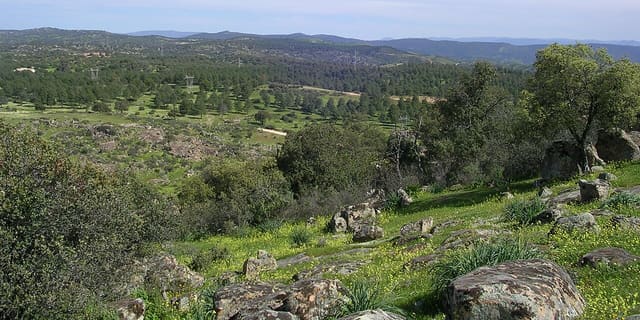 320 kmStarlight Reserve
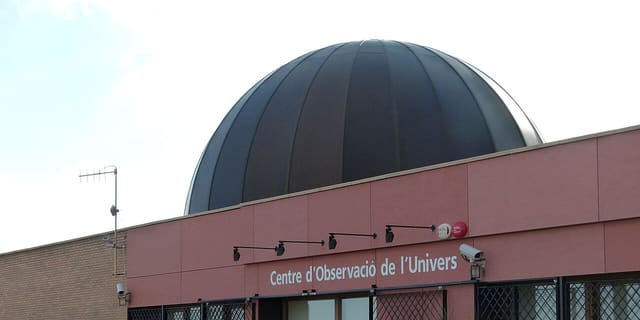 817 kmReserve
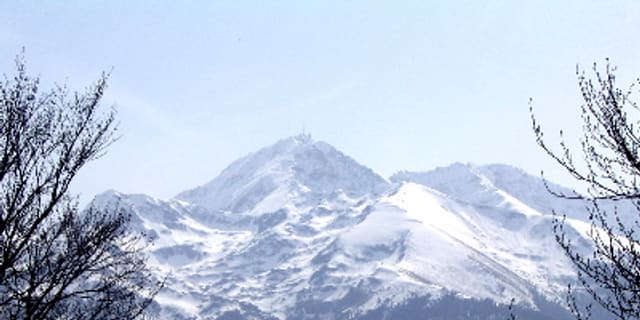 831 kmReserve
 977 kmDark Sky Park