
Teide National Park

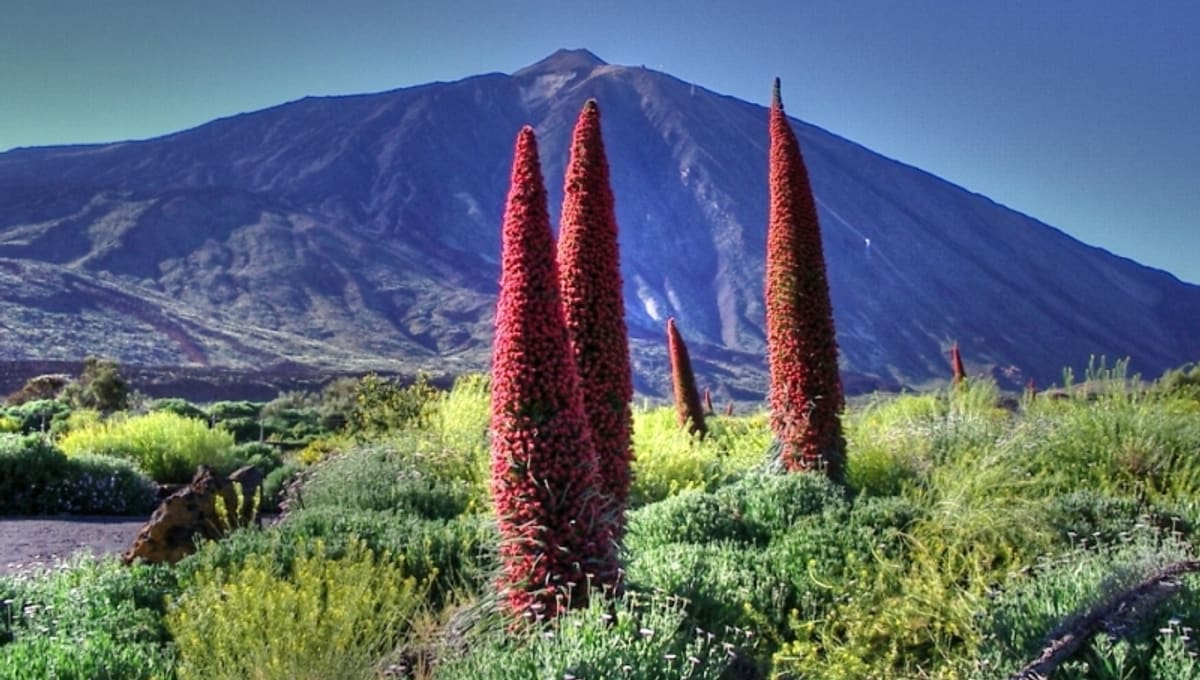
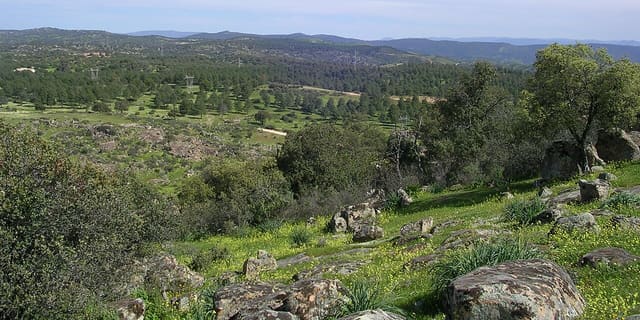
Image: Dorian Cols · CC BY 2.0 · Wikimedia Commons
Teide National Park occupies the volcanic heart of Tenerife in Spain's Canary Islands, home to Mount Teide, the highest peak in Spain. Since 2014 it has held Starlight Destination status in the Tourist Destination category, awarded by the Starlight Foundation, recognising it as one of the best places on Earth to see the night sky.
Why Teide National Park is a top stargazing spot
Above the cloud layer that regularly sits below the park, the sky reaches Bortle class 2 to 3, a rating that puts it in the same league as professional observatory sites. High elevation, a dry and consistent climate, low light pollution and the island's isolation in the Atlantic combine to create near-perfect stargazing conditions, and the park registers more than 300 clear or partially clear nights a year. Since 1988, the Canarian Sky Law has protected these skies by regulating light pollution, radio spectrum interference, air pollution and flight paths, a pioneering approach recognised internationally.
What you can see
On a clear night visitors can see the Milky Way stretching overhead along with the major constellations, in a sky largely free of the haze and glow that affect most populated destinations. The park's elevation, well above the clouds that often sit lower on the island, makes for exceptionally steady, transparent viewing.
Visiting Teide National Park at night
The Teide Observatory, within the park, operates high-powered telescopes and runs guided tours lasting around 90 minutes, priced at 21 euros for adults and free for children aged 8 to 16 (children under 8 are not permitted on the daytime tours); the observatory also holds free Open Days in Spanish on 20 and 21 June. Note that guided tours are typically suspended from December to March due to winter weather. Park entry itself is free, though reaching the summit area requires the cable car, with return tickets priced at 42 euros for non-resident adults and 21 euros for children; only 200 summit access permits are issued each day, bookable through the TenerifeOn platform. Two visitor centres, El Portillo on the eastern side and Cañada Blanca to the south, offer exhibits on the park's flora, fauna, geology and hiking routes, worth a stop before you head up for the night.
Best time to go
Teide sits in the Northern Hemisphere, so the Milky Way's core season runs roughly March to September, best seen well after midnight in the earlier months and earlier in the evening by late summer. With over 300 clear nights a year, though, good conditions are unusually common outside that window too. Meteor watchers can look for the Perseids in August, the Geminids in December and the Quadrantids in January, all worth catching from skies this dark. Whenever you go, aim for a night near the new Moon, and give your eyes twenty to thirty minutes to adapt once the Sun is down.
Getting there
Teide National Park sits at the centre of Tenerife, reached by mountain roads that climb from either coast of the island; the El Portillo visitor centre marks the eastern approach and Cañada Blanca the southern one, both accessible by car from the island's coastal towns.
See your named star from here
Bortle 2-3 skies like Teide's reveal stars that are simply invisible from anywhere near a city, making this one of the more rewarding places to track down a star you have named. Bring its coordinates and a stargazing app up into the park and see if you can spot it for yourself. Browse the star catalogue, name a star through Star Register, or see more dark sky destinations on our observatories page.
Conditions and access vary by season. Check the official website and Google Maps before you travel, and aim for a clear night near the new Moon for the darkest sky.
Satellite imagery: Esri, Maxar, Earthstar Geographics

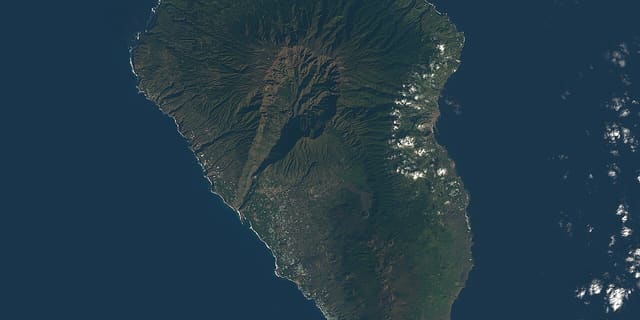 126 kmStarlight Reserve
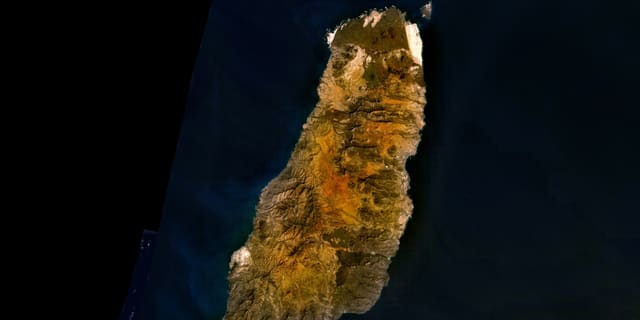 259 kmStarlight Reserve
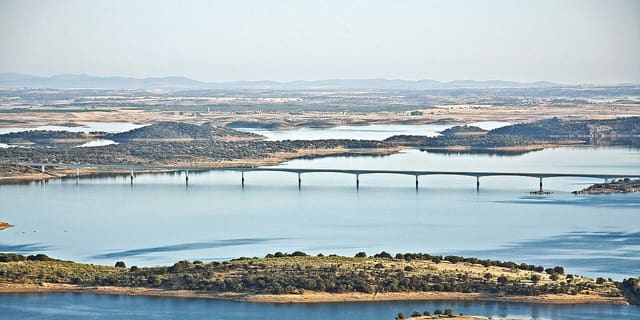 1,393 kmStarlight
 1,633 kmStarlight Reserve