
Boundary Waters Canoe Area Wilderness

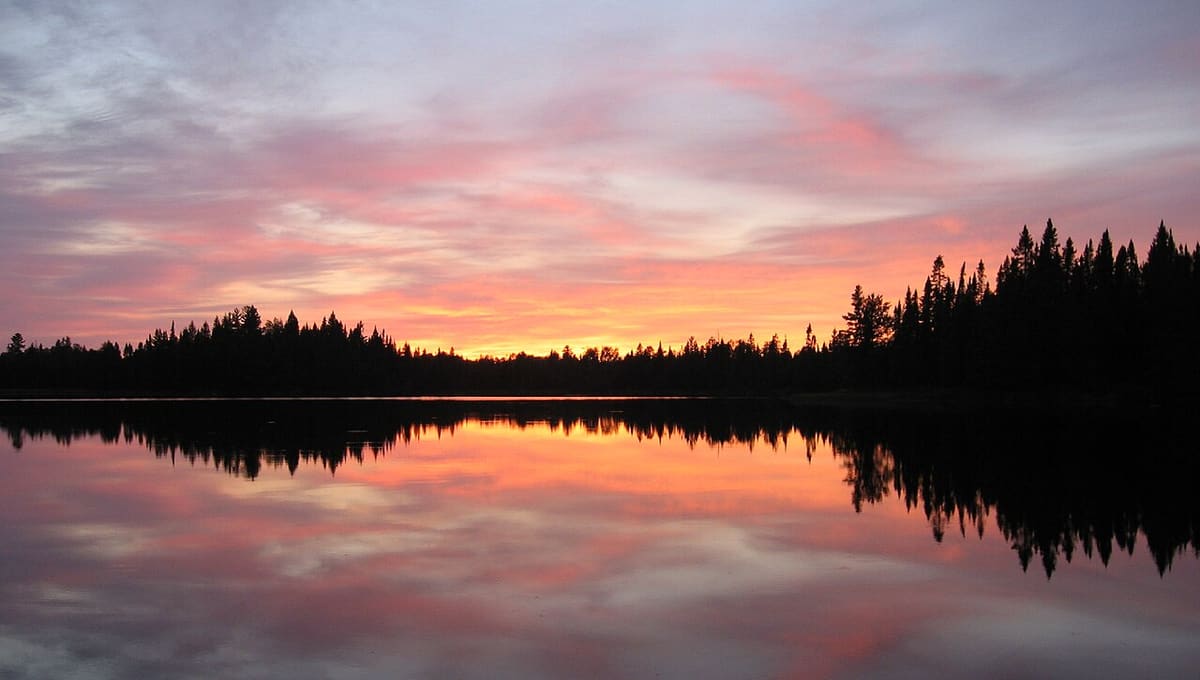
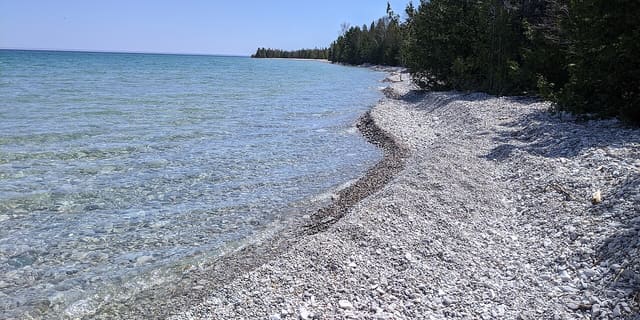
Image: R27182818 at English Wikipedia (Original text: Reid · CC BY-SA 3.0 · Wikimedia Commons
The Boundary Waters Canoe Area Wilderness stretches across 1,098,000 acres of the Superior National Forest in northeastern Minnesota, a remote landscape of glacial lakes, forest and rock. In September 2020 it was designated an International Dark Sky Sanctuary, becoming the largest Dark Sky Sanctuary on Earth and the first federally designated wilderness area, and the first site in Minnesota, to earn the title.
Why Boundary Waters is a top stargazing spot
Sanctuary status is reserved for the darkest, most remote places on the planet, and the Boundary Waters earns it through sheer isolation: there is almost no artificial light anywhere near its million-plus acres, and no significant light domes are visible along the horizon in any direction. Sky quality readings here average 21.64 out of a maximum 22, among the highest measurements recorded anywhere, and the wilderness carries a Bortle Class 1 rating, the only site in eastern North America to do so. Managed by the U.S. Forest Service, the wilderness protects that darkness by design, with no roads or towns cutting into its interior.
What you can see
With thousands of lakes and no nearby cities to wash out the sky, the Milky Way is clearly visible on clear nights, and the region's northerly latitude means the aurora borealis is a realistic sight, especially in autumn and winter. The wilderness's 12 hiking trails and rocky, sandy shorelines along its lakes give unobstructed views of the horizon in every direction.
Visiting Boundary Waters at night
Access is by canoe or on foot, with roughly 1,200 miles of canoe routes and about 2,000 designated campsites spread across the wilderness, so most stargazing here happens from a paddled-in camp rather than a car park. A permit is required for entry; contact the Superior National Forest for current permit procedures before you go. Winter travel is extremely cold and snowy, so most trips run from late spring through early fall, even though winter nights are longest and best for aurora viewing. Summer offers easier paddling, warmer camping and the darkness needed for a strong Milky Way view. Wherever you set up, give your eyes time to adapt to the dark and use only red light near camp.
Best time to go
Late spring through early fall is when most trips happen, thanks to manageable weather and open water for canoeing, and it also covers the Milky Way's core season, which runs roughly March to October at this latitude. Autumn and winter give the longest nights and the best odds of catching the aurora borealis, though winter access is difficult and cold. The Perseid meteor shower in August is well timed with the main paddling season, while the Geminids in December favour anyone equipped for a winter trip. As anywhere, a new Moon gives the darkest sky, so plan around the lunar calendar, allow 20 to 30 minutes for your eyes to adapt, and use only red light near camp.
Getting there
The Boundary Waters is accessed from entry points around the Superior National Forest in northeastern Minnesota, reached via gateway towns such as Ely and Grand Marais. From there, travel into the wilderness itself is by canoe or on foot along its permit-controlled routes; check with the Superior National Forest for the entry point and permit that suits your planned route.
See your named star from here
Few places in North America offer skies this untouched by artificial light, making the Boundary Waters a memorable spot to find a star named in your honour. Bring the coordinates from your Star Register certificate, load a stargazing app before you lose signal in the backcountry, and explore the star catalogue or nearby observatories to plan the rest of your night-sky trip.
Conditions and access vary by season. Check Google Maps before you travel, and aim for a clear night near the new Moon for the darkest sky.
Satellite imagery: Esri, Maxar, Earthstar Geographics

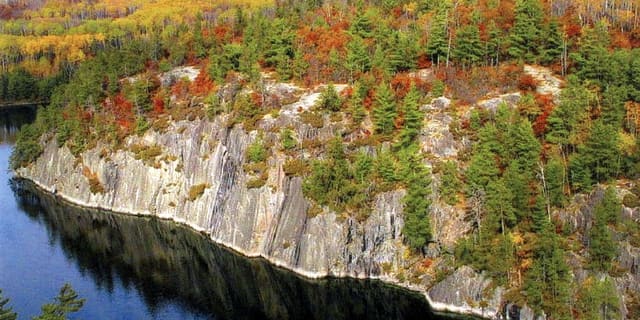 146 kmDark Sky Park
Voyageurs National Park
United States National Park near International Falls, Minnesota

 431 kmDark Sky Park
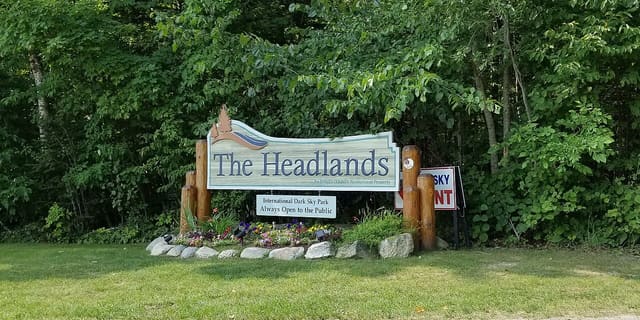 538 kmDark Sky Park
 645 kmPreserve