
Voyageurs National Park

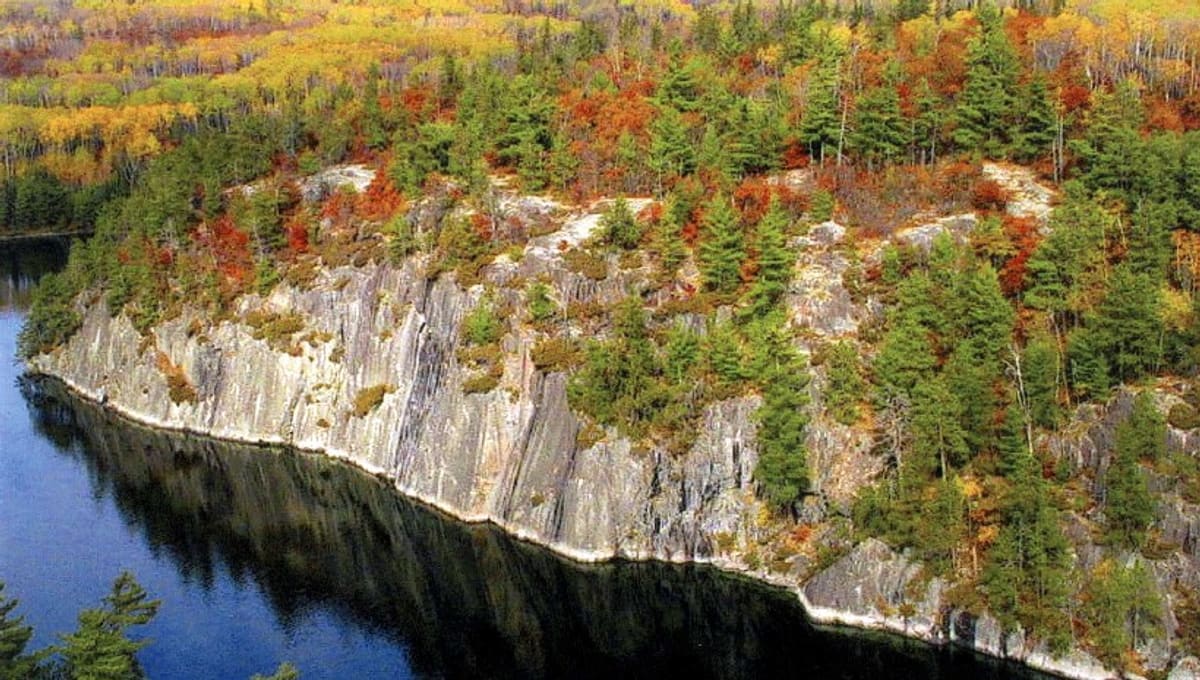
Image: Public domain · Wikimedia Commons
Voyageurs National Park spans roughly 218,000 acres of northern Minnesota near International Falls, and it carries certification as an International Dark Sky Park, designated in 2020. Established as a national park in 1975 and built around a landscape of interconnected lakes, it is one of the best-protected night skies in the American Midwest.
Why Voyageurs National Park is a top stargazing spot
The park's skies rate at Bortle Class 2, exceptionally dark on the nine-step scale used by astronomers, meaning faint detail in the sky is visible without much interference from artificial light. Voyageurs has also converted more than 87 percent of its light fixtures to dark-sky-friendly designs, with a stated goal of reaching 100 percent, and there is no entrance fee to visit and see the results for yourself.
What you can see
Under skies this dark, visitors can see the Milky Way stretch clearly overhead, along with regular meteor shower activity. Voyageurs sits far enough north that the Aurora Borealis appears here too, typically from late September through early April, with the strongest activity between October and March. Watching the Kp geomagnetic index, a rough measure of auroral activity, can help time a visit: a reading of 4 or higher meaningfully improves the odds of a northern lights display.
Visiting Voyageurs National Park at night
The park runs constellation tours, stargazing events and telescope sessions for visitors, so check the current schedule before you go. Four visitor centres serve the park, at Rainy Lake, Kabetogama Lake, Ash River and Crane Lake, open daily from around Memorial Day weekend through early September (9 a.m. to 5 p.m.) and on a reduced Friday-to-Monday winter schedule from mid-November to late March (10 a.m. to 4 p.m.). Much of Voyageurs, including the Kabetogama Peninsula, is only reachable by boat, so plan access and timing carefully, and pick a clear, new-Moon night for the best results.
Best time to go
Voyageurs' northern latitude means the summer Milky Way core is best viewed from around June to September against short, dark nights, while winter brings long nights, Orion and the other bright constellations of the cold-season sky, plus the best odds for aurora. The Perseid meteor shower peaks in mid-August and the Geminids in mid-December, both good reasons to plan an overnight stay, and the Quadrantids put on an early-January show for anyone visiting in deep winter. As always, aim for a night near the new Moon, give your eyes twenty to thirty minutes to adapt to the dark, and use a red light instead of a white torch.
Getting there
Voyageurs National Park headquarters is at 360 Highway 11 East, International Falls, Minnesota, and the park is best reached by car via International Falls before continuing by boat to much of the interior. For current conditions or to plan a visit, the park office can be reached at (218) 283-6600.
See your named star from here
Bortle 2 skies like these are exactly the conditions that make a named star findable in real life. Pull up its coordinates on a stargazing app while you're out on the water or peninsula at Voyageurs, browse the star catalogue to name one of your own, and check out other dark-sky observatories worth visiting.
Conditions and access vary by season. Check the official website and Google Maps before you travel, and aim for a clear night near the new Moon for the darkest sky.
Satellite imagery: Esri, Maxar, Earthstar Geographics

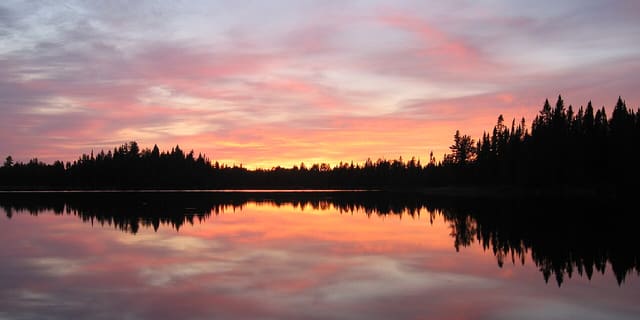 146 kmSanctuary
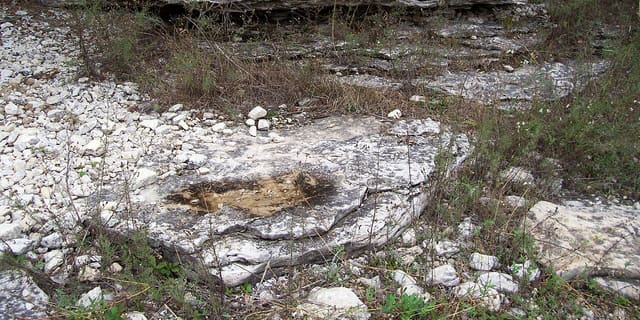 576 kmDark Sky Park
 683 kmDark Sky Park
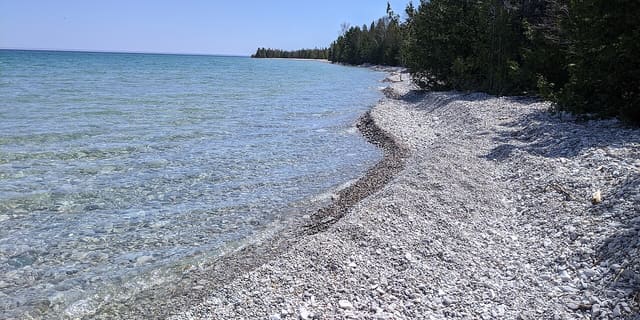 789 kmPreserve