
Natural Bridges National Monument

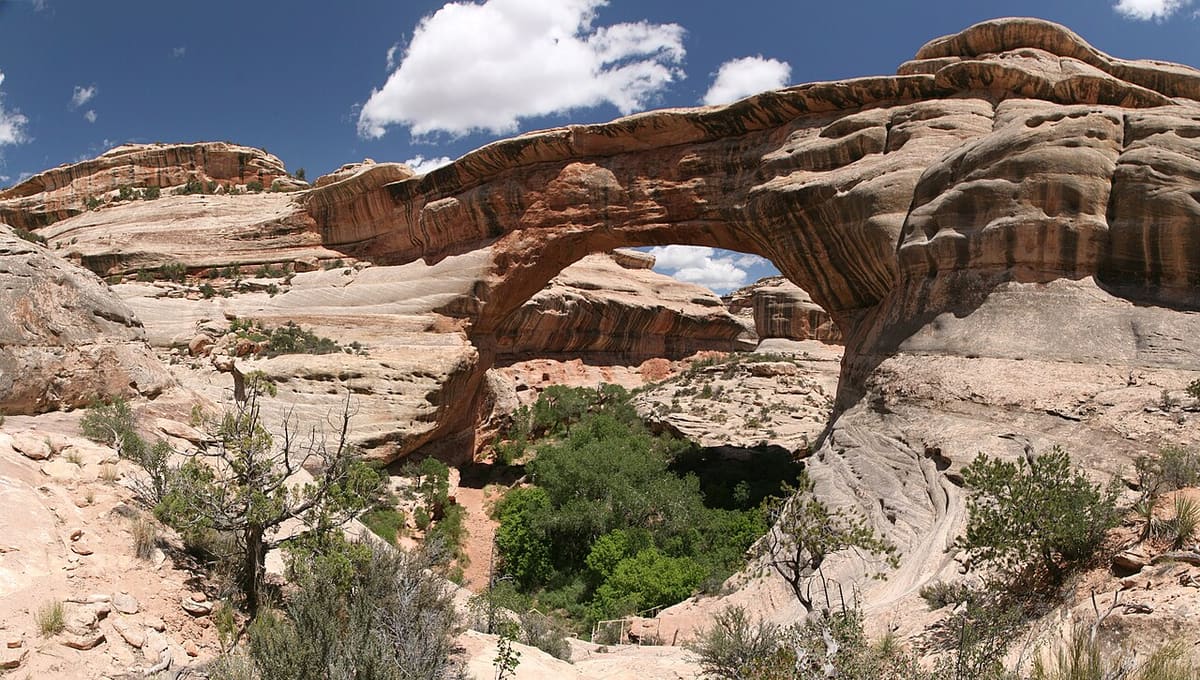
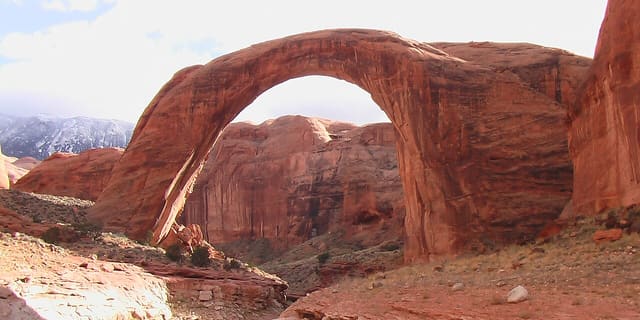
Image: Daniel Schwen · CC BY-SA 4.0 · Wikimedia Commons
Natural Bridges National Monument protects a cluster of ancient stone bridges in the sparsely populated canyon country of southeastern Utah, and in 2007 it became the first place on Earth to earn the title of International Dark Sky Park.
Why Natural Bridges is a top stargazing spot
DarkSky International designated Natural Bridges the world's very first International Dark Sky Park on March 6, 2007, setting the template that hundreds of parks worldwide have since followed. The monument sits on the Colorado Plateau at the junction of White Canyon and Armstrong Canyon, far from any large city, and ranks among the darkest units in the entire National Park Service system in the lower 48 states. Sky quality readings here have reached 21.91 on the magnitude scale, placing Natural Bridges at Bortle Class 2, the second-darkest rating on the nine-step Bortle scale astronomers use to describe night sky darkness. On a clear, moonless night visitors here can count as many as 15,000 stars, far beyond what is visible almost anywhere else in the country.
What you can see
The Milky Way arches clearly overhead on moonless nights, often bright enough to cast faint shadows. Because of the site's extraordinary darkness, fainter deep-sky objects and meteor showers are within reach of the naked eye here, in addition to the park's namesake natural bridges, among the largest in the world, silhouetted against the stars. Owachomo Bridge, the smallest and most delicate of the three, is a favourite spot among astrophotographers, who use its slender 180-foot span to frame the Milky Way and passing constellations.
Visiting Natural Bridges at night
The National Park Service runs stargazing seminars twice a week along with star parties throughout the year, and every outdoor light fixture on site uses low-wattage bulbs in special housing designed to keep light from spilling upward into the sky. Overnight visitors can stay at one of 13 reservable campsites for $16 a night; general entry costs $10 per person for a week or $20 per vehicle. Check the National Park Service website for the current schedule of night-sky programmes before you go.
Best time to go
Any clear, moonless night rewards a visit, but the Milky Way's bright core arcs overhead from roughly March through September, standing highest before dawn in spring and directly overhead after dark through midsummer. Winter nights trade the galactic core for Orion and the other bright winter constellations, and often bring the steadiest, clearest air of the year on the high desert. The Perseid meteor shower peaks in mid-August, the Geminids in mid-December and the Quadrantids in early January, all well placed from this latitude. Whatever the season, plan around the new Moon for the darkest skies, give your eyes 20 to 30 minutes to adapt fully, and use a red light rather than white to keep your night vision intact.
Getting there
Natural Bridges sits in remote San Juan County in southeastern Utah, about 50 miles (80 km) northwest of the Four Corners area, reached via Utah State Route 275 off UT-95. There are no fuel or food services inside the monument, so stock up before making the drive out, and check the National Park Service website for current road conditions.
See your named star from here
Few places in the United States offer skies as dark as Natural Bridges, which means a star named through star-register.eu will stand out here in a way it simply cannot in a city. Bring your certificate's coordinates and a stargazing app to one of the park's ranger-led star parties, or find a quiet spot along the canyon rim and look up. Explore our star catalogue or choose a naming package, and see our observatories directory for more certified dark-sky destinations.
Conditions and access vary by season. Check the official website and Google Maps before you travel, and aim for a clear night near the new Moon for the darkest sky.
Satellite imagery: Esri, Maxar, Earthstar Geographics

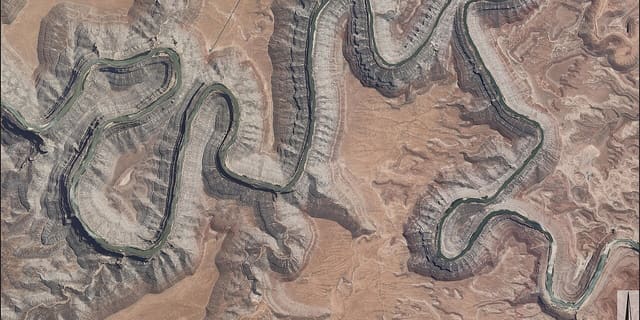 48 kmDark Sky Park
Goosenecks State Park
state park in San Juan County, Utah, United States

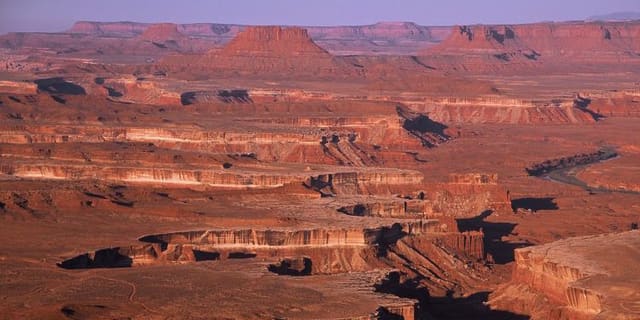 67 kmDark Sky Park
Canyonlands National Park
U.S. National Park located in southeastern Utah near the town of Moab

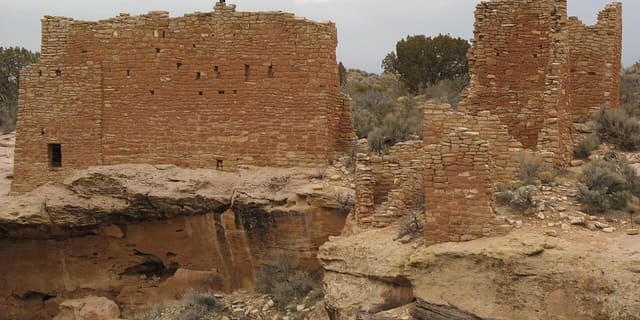 87 kmDark Sky Park
Hovenweep National Monument
US national monument in San Juan County, Utah, and Montezuma County, Colorado in the United States

 102 kmSanctuary
Rainbow Bridge National Monument
national monument in San Juan County, Utah, United States