
Goosenecks State Park

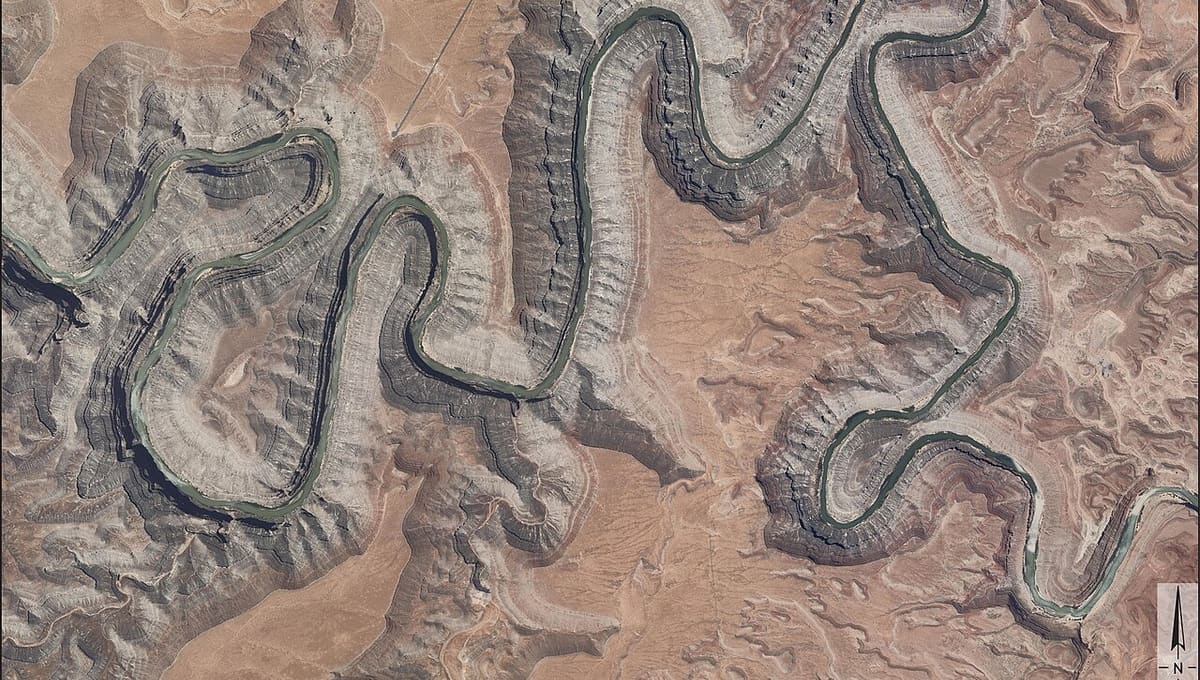
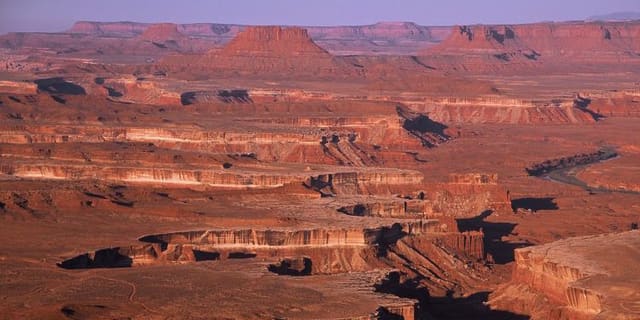
Image: USDA/FSA · Public domain · Wikimedia Commons
Goosenecks State Park overlooks a dramatic meander of the San Juan River near Mexican Hat, in San Juan County, Utah. The park was designated an International Dark Sky Park in March 2021, and its sky quality reaches Bortle Class 1, among the darkest ratings available. The gorge below exposes about 300 million years of geologic history, carved as the river advances just 1.5 miles west for every 6 miles it flows through the meander.
Why Goosenecks State Park is a top stargazing spot
Goosenecks is a largely undeveloped, remote park, which keeps light pollution to a minimum and helps it reach Bortle Class 1 conditions. The same 1,000-foot-deep river canyon that draws visitors by day opens onto a 360-degree sky vista by night, with almost nothing on the horizon to interrupt the view.
What you can see
Bortle Class 1 skies bring out the full Milky Way and far fainter stars than most stargazers ever see, and the open 360-degree horizon means there's no direction without a clear view. In recent years the night sky has become as much a draw here as the geology itself, and night photography is especially popular.
Visiting Goosenecks State Park at night
The park is open 24/7 year-round and offers eight designated campsites, roughly split between spots overlooking the river and others set back from it, some with shade covers. Camping is first-come, first-served at 10 dollars a night, with a 5 dollar per vehicle day-use fee. There's no drinking water on site, only vault toilets, so bring everything you need and check the official site for current conditions before heading out. A new Moon night, dark-adapted eyes and a red light will make the most of the near-total darkness here.
Best time to go
From this latitude the Milky Way's core is at its best from around March to October, arching over the canyon on clear, moonless nights, while winter trades that for crisp views of Orion and the other bright winter constellations across the wide-open horizon. The Perseids in August and the Geminids in December are the meteor showers most worth planning a trip around, with the Quadrantids in January a good option if you don't mind the cold. As always, aim for a night near new Moon, give your eyes 20 to 30 minutes to adapt to the dark, and use a red light rather than white to preserve your night vision.
Getting there
Goosenecks State Park is about 8 miles northwest of Mexican Hat on UT-316, and around 25 miles southwest of Bluff, Utah. It's a short detour off US-163, making it an easy add-on for anyone travelling between Monument Valley and the Bears Ears area.
See your named star from here
With Bortle Class 1 skies and an unobstructed 360-degree horizon, Goosenecks is about as good a place as exists to try to find a star you've named. Bring your certificate's coordinates and a stargazing app to your campsite and see it for yourself against one of the darkest skies in Utah. Haven't named a star yet? See our packages, browse the catalogue, or explore other dark-sky parks.
Conditions and access vary by season. Check the official website and Google Maps before you travel, and aim for a clear night near the new Moon for the darkest sky.
Satellite imagery: Esri, Maxar, Earthstar Geographics

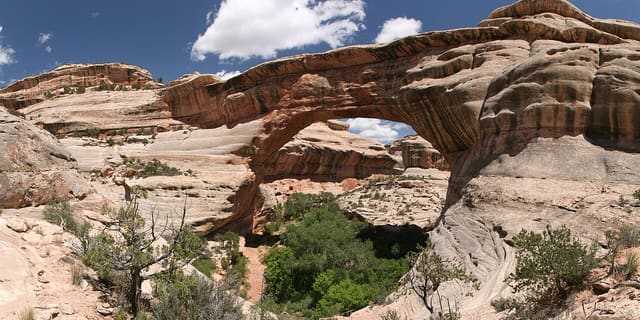 48 kmDark Sky Park
Natural Bridges National Monument
national monument in San Juan County, Utah, United States

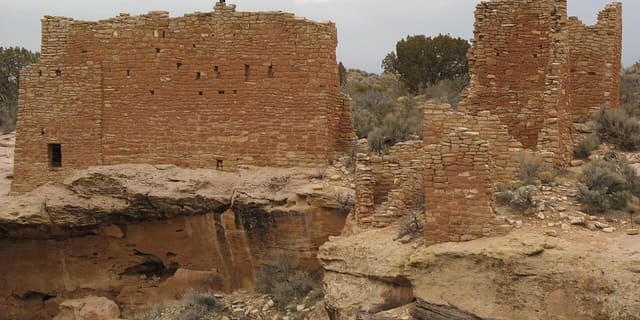 79 kmDark Sky Park
Hovenweep National Monument
US national monument in San Juan County, Utah, and Montezuma County, Colorado in the United States

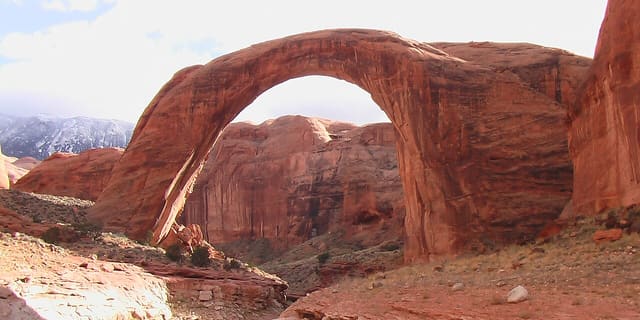 93 kmSanctuary
Rainbow Bridge National Monument
national monument in San Juan County, Utah, United States

 111 kmDark Sky Park
Canyonlands National Park
U.S. National Park located in southeastern Utah near the town of Moab