
Canyonlands National Park

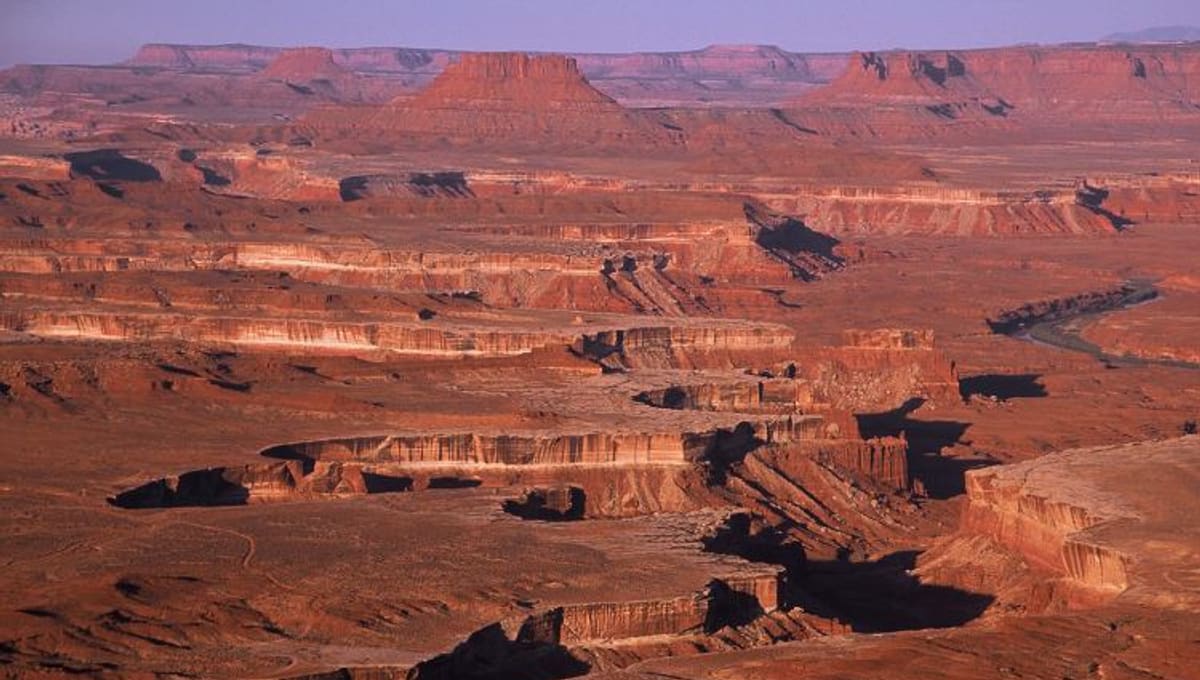
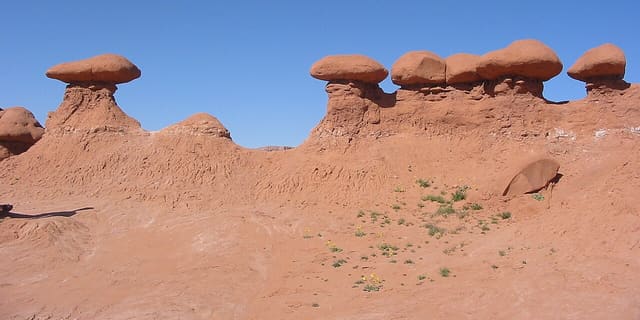
Image: Phil Armitage · Public domain · Wikimedia Commons
Canyonlands National Park lies in southeastern Utah near the town of Moab, its canyons, mesas, and buttes carved over millennia by the Colorado River, the Green River, and their tributaries. President Lyndon B. Johnson signed the park into existence on September 12, 1964, and in 2015 it was certified an International Dark Sky Park with Gold Tier status, the highest level of dark-sky recognition.
Why Canyonlands National Park is a top stargazing spot
Canyonlands sits in a remote, highly defensible area with minimal artificial light pollution, and nearly all of its outdoor lighting fixtures use night-friendly designs to keep it that way. The park belongs to the Colorado Plateau Dark Sky Cooperative, a group working to preserve darkness across the wider region, and it's in good company: Utah has more certified dark-sky parks than any other state, and the Moab area alone is home to three, Arches, Canyonlands, and Dead Horse Point. On a clear night at Canyonlands, up to 15,000 stars can be visible, compared with fewer than 500 in a typical city sky.
What you can see
That kind of contrast makes the park's canyons and mesas a dramatic backdrop for watching the Milky Way and picking out individual constellations far more clearly than most people ever see them. Meteor showers are a highlight too: the Perseids run from mid-July through early September, peaking around August 12-13 with 50 to 75 meteors an hour visible before dawn, and the Geminids arrive in mid-December, capable of producing up to 120 meteors an hour under dark skies.
Visiting Canyonlands National Park at night
The Island in the Sky district, about 10 miles north of Moab on Utah Route 313, is the most accessible part of the park for stargazing, with dark-sky views reachable without a hike. Willow Flat Campground there has 12 first-come, first-served sites open year-round, and the Needles district further south has its own small, mostly first-come campground. There are no hotels inside the park, so Moab is the natural base; options nearby range from Under Canvas Moab, a DarkSky-certified resort with dedicated Stargazer Tents and star parties, to ULUM Moab, a desert resort with Suite Tents, a full-service restaurant, and pools. Ranger-led stargazing programs run in the park itself, and local operators including RedRock Astronomy and Outlaw Adventure Tours offer guided astronomy tours and stargazing jeep trips for visitors who want an expert-led night out.
Best time to go
Spring and fall tend to offer the best balance of clear skies and comfortable nighttime temperatures for stargazing at Canyonlands, though the Milky Way's bright core is visible from roughly March through September as it climbs into view after dark. Winter nights swap the galactic core for the bright winter constellations and typically colder, clearer air. Whatever season you pick, build the trip around a new Moon, allow 20 to 30 minutes for your eyes to adapt to the dark, and bring only red light once you're out among the canyons.
Getting there
Moab is the gateway town for Canyonlands, with the Island in the Sky entrance about 10 miles north via Utah Route 313; from there, the park's darkest viewpoints are a short, hike-free drive from the highway.
See your named star from here
Few places make the sky feel this crowded with stars, which makes Canyonlands a memorable spot to look for a star named for someone. Bring your certificate's coordinates and a stargazing app, find your star in the catalogue, and see our observatories list for other dark-sky sites across Utah.
Conditions and access vary by season. Check the official website and Google Maps before you travel, and aim for a clear night near the new Moon for the darkest sky.
Satellite imagery: Esri, Maxar, Earthstar Geographics

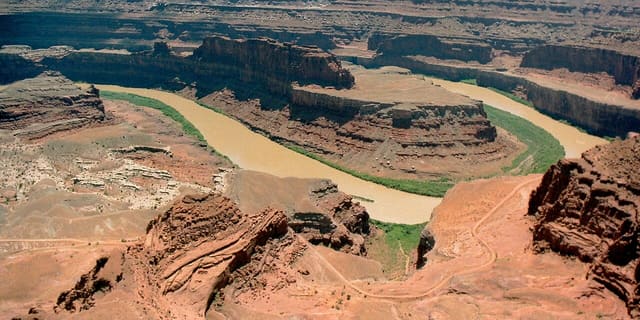 38 kmDark Sky Park
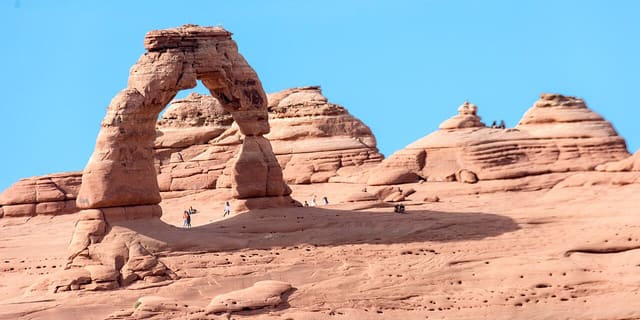 65 kmDark Sky Park
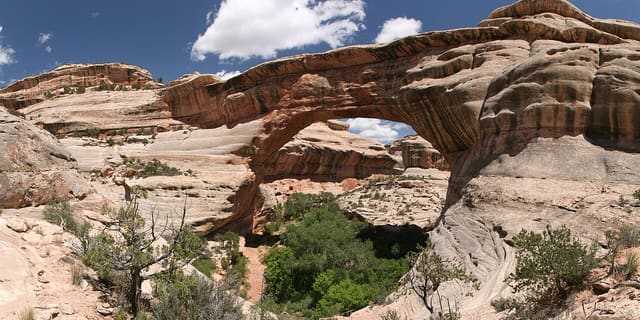 67 kmDark Sky Park
Natural Bridges National Monument
national monument in San Juan County, Utah, United States

 94 kmDark Sky Park
Goblin Valley State Park
state park in Emery County, Utah, United States