
Arches National Park

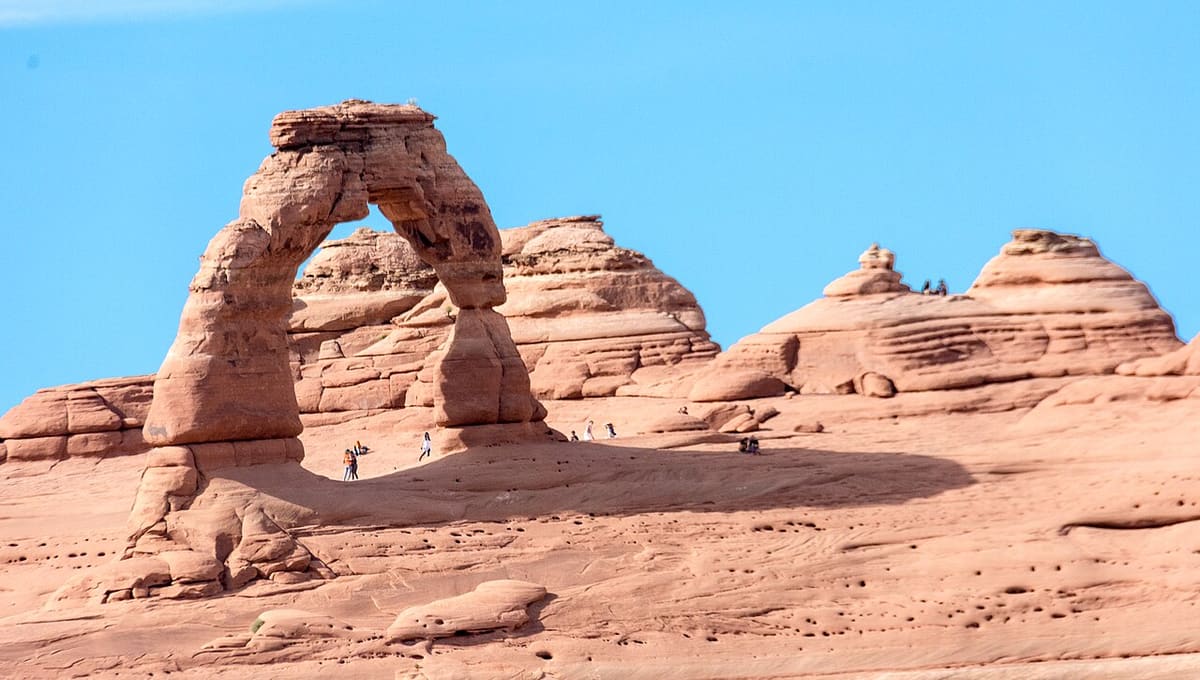
Image: m01229 from USA · CC BY-SA 2.0 · Wikimedia Commons
Arches National Park sits four miles north of Moab, Utah, adjacent to the Colorado River, and protects more than 2,000 natural sandstone arches, the highest concentration anywhere in the world, including the iconic Delicate Arch. The park was designated an International Dark Sky Park in 1971.
Why Arches is a top stargazing spot
The park's interior carries a Bortle 3 rating, dropping to around Bortle 5 near the Moab entrance where nearby town lighting has more effect. Sitting on the Colorado Plateau, Arches sits within a cluster of three certified International Dark Sky Parks, alongside Canyonlands National Park and Dead Horse Point State Park, so the wider Moab area is unusually well protected from light pollution for a popular tourist region. The sandstone arches and fins add a dramatic foreground to any night sky, whether you are simply looking up or setting up a camera.
What you can see
The Milky Way is visible from March through September, with the best views coming within three days of a new Moon. Well-known viewing spots inside the park include Panorama Point, the Balanced Rock parking area, Devil's Garden Campground and the trail through the Windows Section, all of which offer wide, unobstructed horizons framed by rock formations.
Visiting Arches at night
Rangers lead night sky events in spring and fall timed around the new Moon, and outfitters such as Moab Dark Sky Tours and Moab Astronomy Tours run guided evening photography and stargazing outings around the region, including at The Windows and Delicate Arch, with custom itineraries available for visitors who want more than a self-guided walk. Dead Horse Point State Park and Utahraptor State Park, both a short drive away, also run their own night programmes, including constellation quests, worth combining with an Arches visit. Check current conditions and any programme schedule on the official NPS site before you go, and bring a red light to protect your night vision once you arrive.
Best time to go
The Milky Way's bright core arcs across Arches' skies from March to September, while winter nights trade that view for crisp, high-contrast constellations well suited to the desert's thin, dry air. The Perseid meteor shower peaks in August, the Geminids in December and the Quadrantids in early January, all well placed from this northern latitude. Whatever the season, aim for a night within a few days of the new Moon, give your eyes 20 to 30 minutes to adapt once you're away from vehicle lights, and use a red flashlight rather than white light so you don't lose that adaptation.
Getting there
Arches is reached via U.S. Route 191, four miles north of Moab in southeastern Utah, with the park entrance clearly signed off the highway. Stargazing pullouts inside the park sit at roughly 4,000 to 5,000 feet elevation, so desert-warm days can give way to genuinely cold nights, pack layers accordingly. Because Arches, Canyonlands and Dead Horse Point all lie within easy reach of Moab, it's straightforward to base yourself there and visit more than one dark sky park in a single trip.
See your named star from here
With Bortle 3 skies over its sandstone arches, this park is a memorable place to track down a star you have named through Star Register using its certificate coordinates. Check the star catalogue before your visit, bring a stargazing app, and head to Panorama Point or the Windows Section for an open, unobstructed view, or see our observatories page for nearby facilities.
Conditions and access vary by season. Check the official website and Google Maps before you travel, and aim for a clear night near the new Moon for the darkest sky.
Satellite imagery: Esri, Maxar, Earthstar Geographics

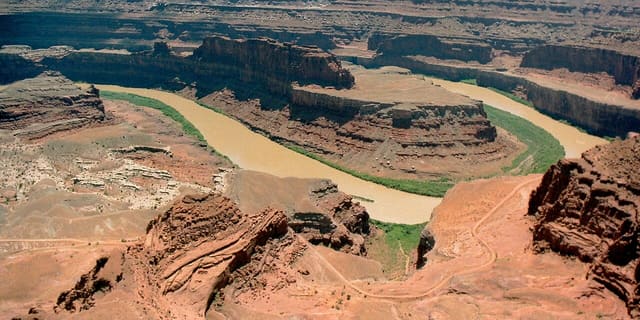 30 kmDark Sky Park
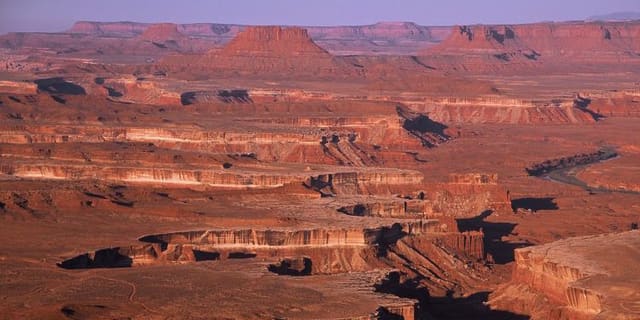 65 kmDark Sky Park
Canyonlands National Park
U.S. National Park located in southeastern Utah near the town of Moab

 100 kmCommunity
 102 kmCommunity