
Nucla

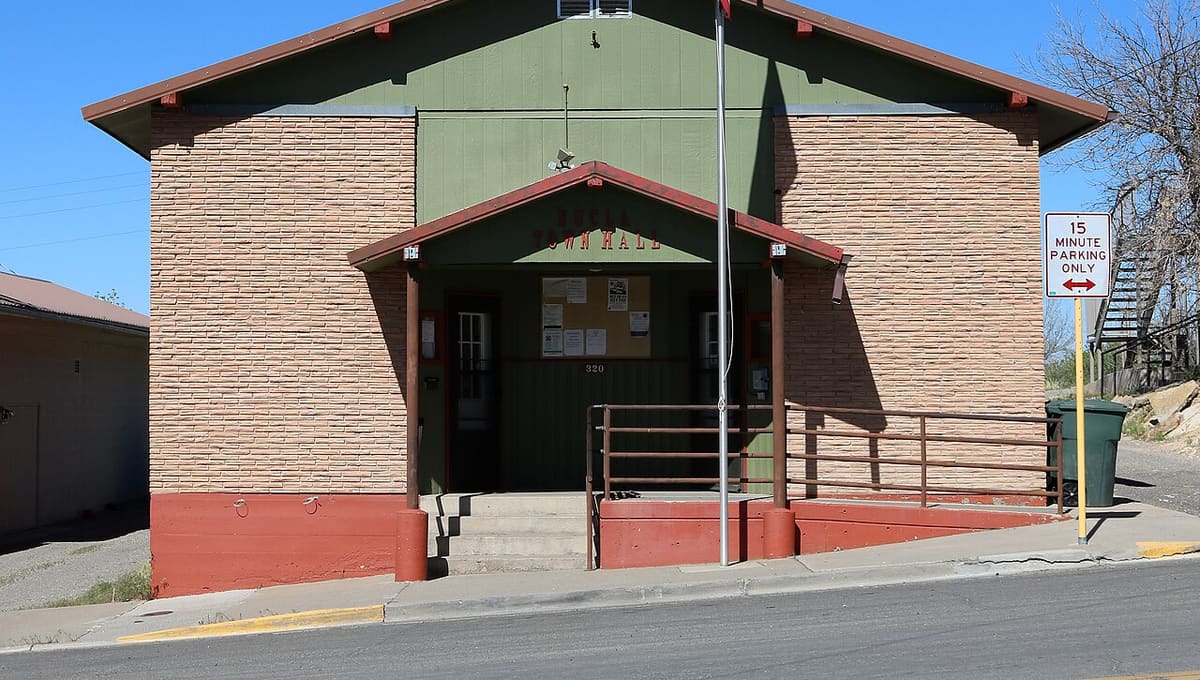
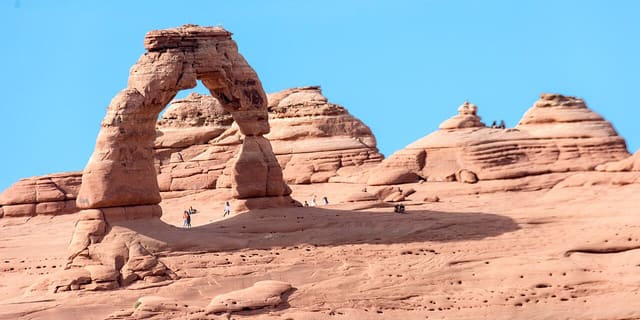
Image: Jeffrey Beall · CC BY 4.0 · Wikimedia Commons
Nucla is a small town in Montrose County, western Colorado, sitting at around 8,000 feet in a rural landscape of red-rock formations. Together with neighbouring Naturita, it forms the Nucla and Naturita International Dark Sky Community, a designation earned in 2021.
Why Nucla is a top stargazing spot
The dual community designation recognises the region's commitment to preserving genuinely dark night skies. The West End Dark Sky Alliance (WEDSA), formed in 2016, has worked to reduce light pollution across the area, and the town's remote high-altitude setting, far from major cities, helps keep the sky naturally dark.
What you can see
With so little artificial light nearby, the Milky Way is readily visible on clear nights, along with far more stars than most visitors are used to seeing. The high elevation and dry Colorado air add extra clarity to the view.
Visiting Nucla at night
Nucla's rural surroundings are popular for camping, fishing, hiking, hunting and mountain biking by day, which makes it easy to combine outdoor activities with stargazing after dark. The area has plenty of places to base a night under the stars: Camp V is a full-service private campground with drinking water, hot showers and restrooms, running on a reservation system for around $40 to $50 a night, while High Country RV Park offers 32 full-hookup RV sites and 5 primitive tent spaces with laundry, WiFi and showers. Budget campers have around 54 free dispersed camping spots to choose from in the wider area, alongside the well-reviewed Uravan Ballpark Campground nearby.
Best time to go
Any clear night around the new Moon is a good night at Nucla, since moonlight is the biggest obstacle to seeing faint stars and the Milky Way. Give your eyes 20 to 30 minutes to properly dark-adapt once you arrive, and use a red light rather than a white torch or phone screen to keep that adaptation intact. The core of the Milky Way is highest and best placed from roughly March to September, while winter evenings trade it for Orion and the brighter winter constellations. Meteor shower watchers should mark the Perseids in August, the Geminids in December and the Quadrantids in January, all of which are well seen from Nucla's dark, high-desert sky.
Getting there
Nucla lies in Montrose County's West End, reached via Colorado Highway 141, with Naturita just a few minutes down the road. Montrose is the nearest larger town, and Grand Junction, further north, has the closest regional airport. The route climbs to altitude, so it is worth checking road conditions before a winter visit.
See your named star from here
A certified dark sky community like Nucla reveals stars that city dwellers never see. If you've named a star through Star Register, its coordinates and a stargazing app are all you need to find it in the night sky from Nucla's open, unpolluted sky. Browse the full star catalogue to pick one before your trip.
Conditions and access vary by season. Check the official website and Google Maps before you travel, and aim for a clear night near the new Moon for the darkest sky.
Satellite imagery: Esri, Maxar, Earthstar Geographics

 6 kmCommunity
 27 kmCommunity
 79 kmDark Sky Park
Black Canyon of the Gunnison National Park
national park in Montrose County, Colorado, United States

 100 kmDark Sky Park