
Black Canyon of the Gunnison National Park

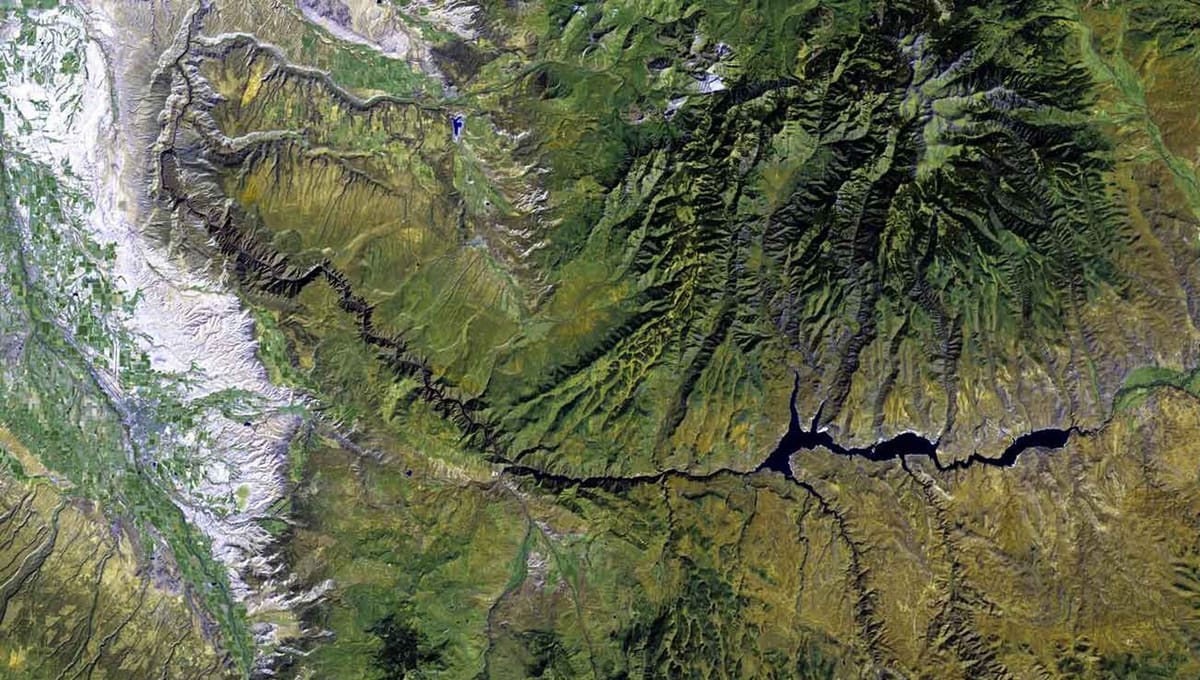
Image: http://www.terraprints.com · CC BY 2.5 · Wikimedia Commons
Black Canyon of the Gunnison National Park sits in western Colorado near Montrose, its steep walls dropping into one of the deepest, most dramatic gorges in the American West. First protected as a national monument in 1933 and redesignated a national park in 1999, it became an International Dark Sky Park in 2015, with skies measuring a Bortle Class 2 to 3.
Why Black Canyon of the Gunnison is a top stargazing spot
The park's relative isolation from artificial light is what makes its night sky stand out, and every single light fixture within the park is now compliant with its official lighting plan. The Black Canyon Astronomical Society partners with park rangers and volunteers to run astronomy programs throughout the summer and fall, including daytime telescope viewing, astronomy talks, constellation tours and nighttime telescope sessions, capped off by the annual AstroFest each September.
What you can see
The Milky Way is at its highest and most visible here in late summer on moonless nights, arcing over the canyon's dramatic rim. Combined with the park's astronomy programs, it's an easy place to go from naked-eye stargazing to a guided telescope view of the same sky, with a Bortle 2-3 rating dark enough to pick out faint deep-sky detail unaided.
Visiting Black Canyon of the Gunnison at night
There are two main viewing areas: the South Rim, and the North Rim, 11 miles south of Crawford, which closes for the winter. The South Rim entrance is 15 miles east of Montrose and stays more accessible year-round. Montrose is the park's main gateway town and has the fullest range of services, hotels, restaurants, grocers and outfitters, along with restaurants such as Horsefly Brewing Company, Colorado Boy Pizzeria and Double Barrel Taco Company; the park itself has no dining facilities. Crawford sits closer to the North Rim but has limited accommodation, so visitors heading that way often base themselves in Delta instead. An entrance fee applies. Check the National Park Service's astronomy pages before you go for current program schedules.
Best time to go
Late summer brings the Milky Way's core to its highest point over the canyon on moonless nights, and it stays well placed from roughly March through October at this northern latitude. Clear, dry Colorado skies also make the park a solid spot for the Perseid meteor shower in August and the Geminids in December, weather and access permitting on the North Rim. Whatever month you visit, plan around the new Moon, allow 20 to 30 minutes for your eyes to adapt to the dark, and use only red light once you're set up.
Getting there
The South Rim entrance is 15 miles east of Montrose, the park's main gateway with full visitor services. The North Rim entrance, 11 miles south of Crawford, is quieter but closes each winter; Delta, a short drive further, has chain hotels for visitors basing themselves near that side of the park.
See your named star from here
With its fully compliant lighting plan and a dedicated astronomical society running programs on site, Black Canyon is a genuinely good place to put a stargazing app to work. Once you've named a star, its coordinates will help you pick it out from the rim on a clear night. Have a look through the star catalogue, or check other observatories worth a visit.
Conditions and access vary by season. Check the official website and Google Maps before you travel, and aim for a clear night near the new Moon for the darkest sky.
Satellite imagery: Esri, Maxar, Earthstar Geographics

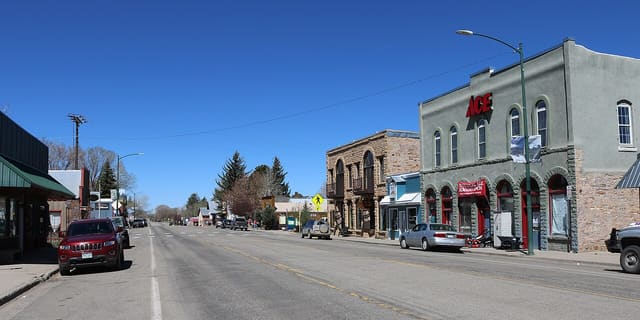 70 kmCommunity
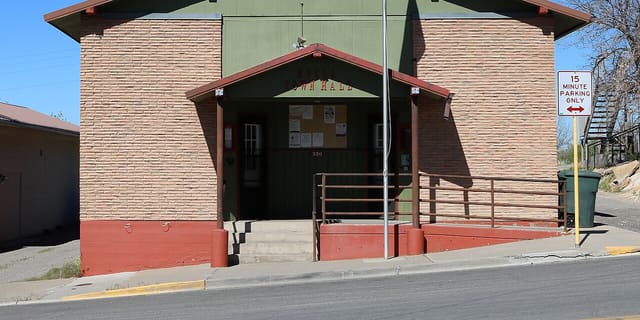 79 kmCommunity
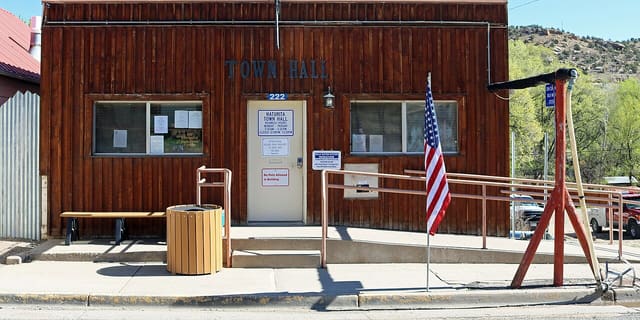 83 kmCommunity
 158 kmDark Sky Park