
Goblin Valley State Park

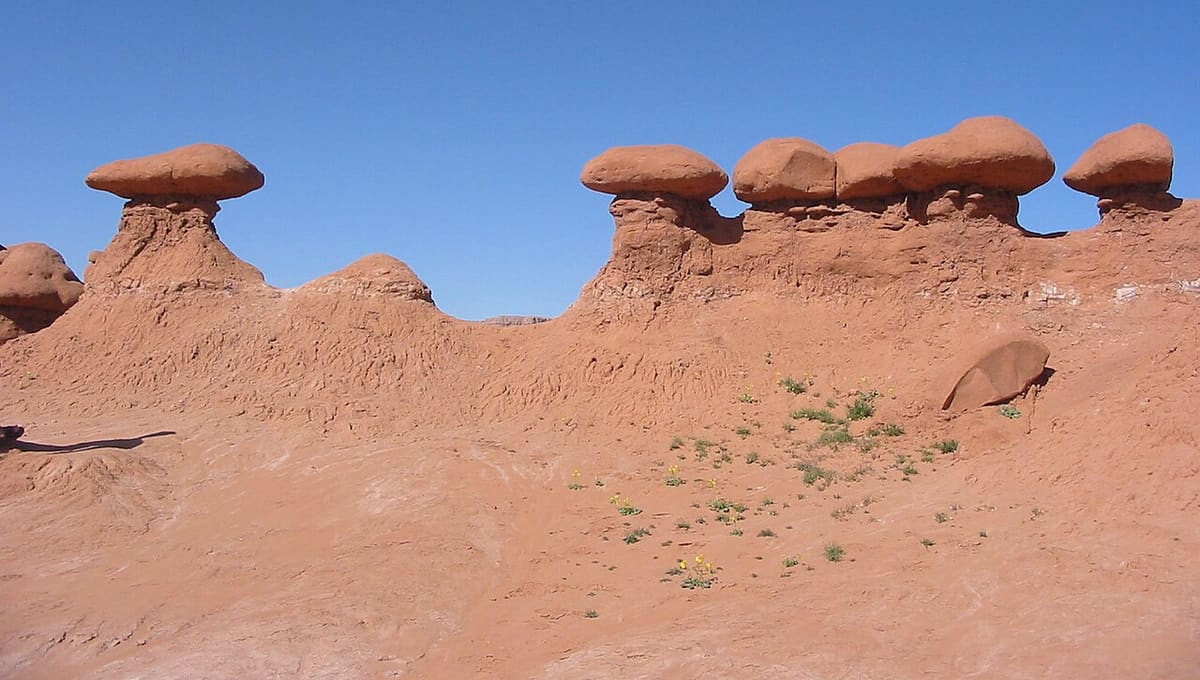
Image: Donar Reiskoffer · CC BY 3.0 · Wikimedia Commons
Goblin Valley State Park sits along State Highway 24 between Green River and Hanksville, Utah, an hour's drive from Capitol Reef National Park. Known for its thousands of sandstone hoodoos, locally called goblins, the park earned International Dark Sky Park certification in 2016 after a two-year application process. Its sky quality falls within the Bortle Class 1 range, among the darkest ratings possible.
Why Goblin Valley State Park is a top stargazing spot
Goblin Valley's Bortle Class 1 sky ranks it among the clearest, darkest night skies anywhere in the world, a status confirmed over a two-year certification process before it became an International Dark Sky Park in 2016. In June 2015 the National Park Service's Night Sky Team measured the park's zenith sky brightness at a reading of 8.45, verifying it as one of the darkest night skies on Earth. The same isolation that leaves the goblin rock formations undisturbed also keeps the sky free of light pollution.
What you can see
Under Bortle 1 conditions the Milky Way is vivid and detailed, making the park a popular spot for astrophotography as well as naked-eye constellation viewing. The galactic band is visible for around nine months of the year here, and in April, May and June it forms a striking arch directly over the hoodoos, which is why spring is generally considered the most spectacular season for stargazing at Goblin Valley. Ranger-led moonlit hikes and telescope tours point out these seasonal highlights.
Visiting Goblin Valley State Park at night
The park offers 24 campsites and 2 yurts and stays open daily until 10 p.m., with ranger-led events, moonlit hikes and telescope tours running through the year. Plan around a new Moon for the darkest views, since even a bright Moon can wash out fainter detail here. Check the official Utah State Parks site for the current events calendar before you go.
Best time to go
Spring, especially April through June, is the standout season: the Milky Way's core arcs directly over the hoodoos, and the galaxy is visible for roughly nine months of the year overall from this latitude. Meteor shower watchers should look for the Perseids in August and the Geminids in December, both strong performers under Goblin Valley's dark skies, while the Quadrantids in early January suit a colder visit. Whenever you go, time it around a new Moon, allow 20 to 30 minutes for your eyes to adapt to the dark, and use a red light rather than white to protect your night vision.
Getting there
The park sits just off State Highway 24 between the towns of Green River and Hanksville in Emery County, Utah, roughly an hour's drive from Capitol Reef National Park. It's a straightforward stop for anyone touring Utah's national parks corridor, with paved access all the way to the park entrance.
See your named star from here
Bortle Class 1 skies like Goblin Valley's show stars invisible from almost anywhere else, which makes it an ideal place to find a star you've named. Bring your certificate's coordinates and a stargazing app to your campsite or a ranger-led telescope session and pick it out for yourself. Haven't named a star yet? See our packages, browse the catalogue, or explore other dark-sky parks.
Conditions and access vary by season. Check the official website and Google Maps before you travel, and aim for a clear night near the new Moon for the darkest sky.
Satellite imagery: Esri, Maxar, Earthstar Geographics

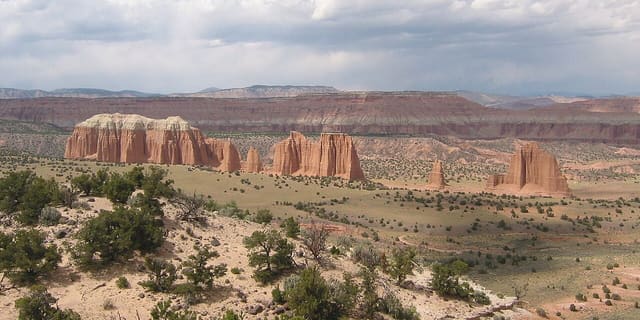 57 kmDark Sky Park
Capitol Reef National Park
national park in Wayne and Garfield counties in Utah, United State

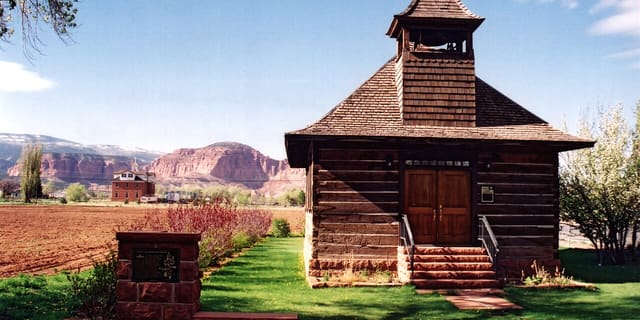 69 kmCommunity
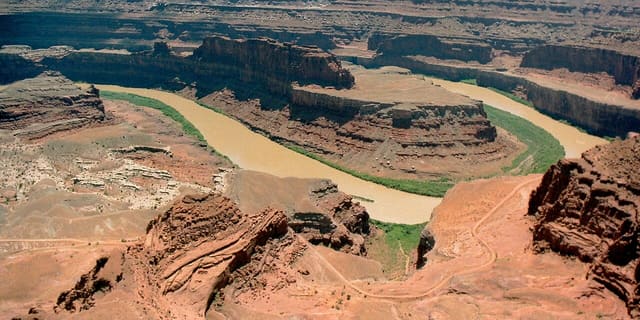 85 kmDark Sky Park
 94 kmDark Sky Park
Canyonlands National Park
U.S. National Park located in southeastern Utah near the town of Moab