
Capitol Reef National Park

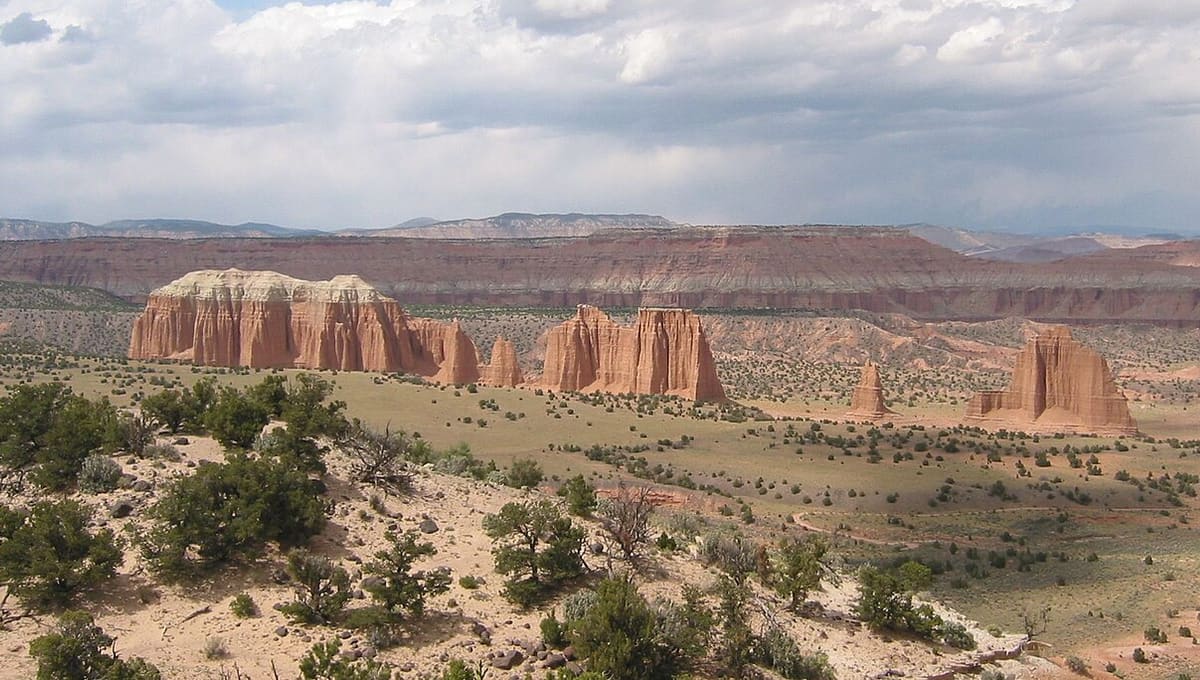
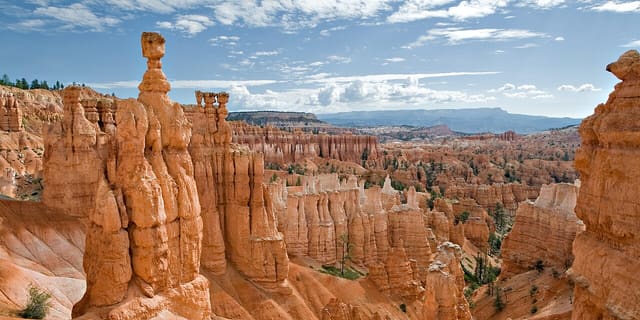
Image: Bob Palin · CC BY-SA 2.5 · Wikimedia Commons
Capitol Reef National Park stretches across 241,904 acres of desert canyon country in south-central Utah, its remote position far from major cities earning it recognition as an International Dark Sky Park.
Why Capitol Reef National Park is a top stargazing spot
Capitol Reef measures among the darkest skies in the country, rated Bortle 1 to 2 on the light pollution scale, meaning almost no artificial sky glow reaches the park. It has partnered with the National Park Service Night Sky Team since 2010 to run specialised astronomy programs for visitors, and its high desert elevation keeps the air dry and clear for much of the year. Even the nearby gateway town of Torrey, just west of the park, has been designated an International Dark Sky Town, with sky quality rated equal to the park itself.
What you can see
The galactic core of the Milky Way is visible from Capitol Reef from March through November, arching over the park's sandstone cliffs and domes. On a clear, moonless night the sheer number of visible stars, set against the contrast of the dark rock formations, makes this one of the more dramatic naked-eye skies in the American West. The Perseid meteor shower peaks around August 12-13, producing 50 to 75 meteors an hour from a dark site, and the Geminids peak around December 13-14, widely regarded as the brightest and most intensely coloured shower of the year, with up to 120 meteors an hour possible under dark skies.
Visiting Capitol Reef National Park at night
Popular night-sky viewing spots inside the park include Cathedral Valley Campground, Panorama Point, Slickrock Divide, the end of the Scenic Drive, Burr Trail, and Halls Creek Overlook. Fruita Campground, near the visitor centre, has 71 sites with picnic tables, fire pits, flush toilets, potable water, and an RV dump station, though it books up to six months ahead and costs around $20 a night; Cathedral Valley and Cedar Mesa offer free, primitive off-grid camping for a quieter alternative. The Capitol Reef Visitor Center sits at the park's west entrance, about 8 miles from Torrey, which has hotels, inns, restaurants, and supplies if you'd rather stay in town. The park also hosts an annual Heritage Starfest each September with ranger-led astronomy programs.
Best time to go
Winter months tend to offer the driest air and steadiest viewing conditions, though the park is open year-round and the Milky Way's core is only visible from March through November. Whichever season you choose, aim for a night near the new Moon, give your eyes at least 20 minutes to adjust, and use a red light to protect your night vision once the sky is dark.
Getting there
The park's west entrance and visitor centre sit about 8 miles from Torrey, the closest town, which makes a practical overnight base with hotels, restaurants, and fuel before heading in to the darker viewpoints along the Scenic Drive and Cathedral Valley.
See your named star from here
A sky this dark reveals stars invisible from any city, which makes Capitol Reef an ideal place to track down a star you have named through Star Register. Bring your certificate's coordinates and a stargazing app, then browse the full star catalogue to see what else is overhead, or check our observatories directory for other dark-sky destinations nearby.
Conditions and access vary by season. Check the official website and Google Maps before you travel, and aim for a clear night near the new Moon for the darkest sky.
Satellite imagery: Esri, Maxar, Earthstar Geographics

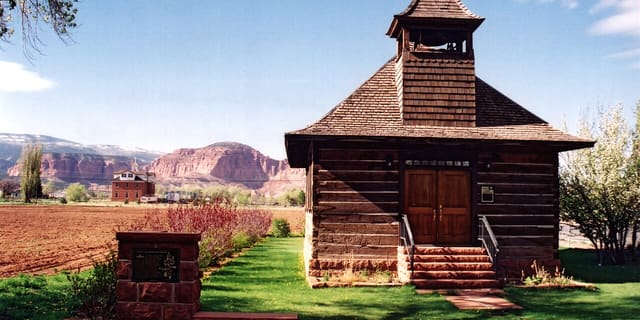 25 kmCommunity
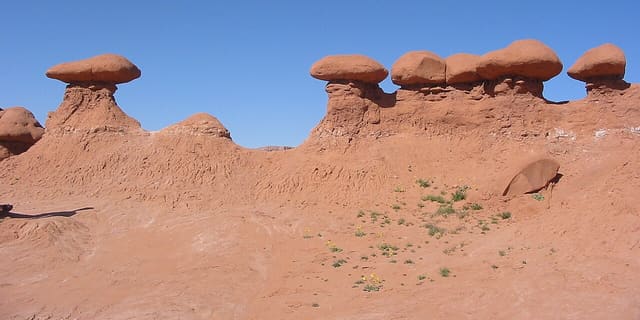 57 kmDark Sky Park
Goblin Valley State Park
state park in Emery County, Utah, United States

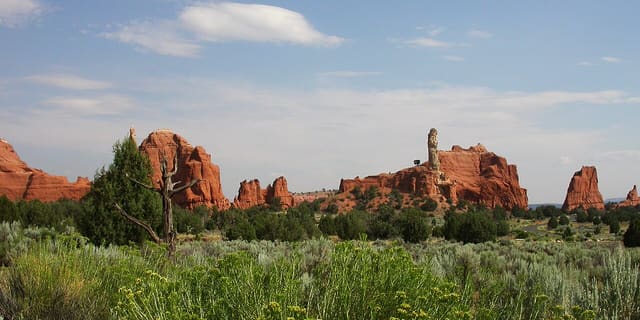 107 kmDark Sky Park
Kodachrome Basin State Park
state park in Kane County, Utah, United States

 108 kmDark Sky Park
Bryce Canyon National Park
national park in Garfield and Kane counties in Utah, United States