
Bryce Canyon National Park

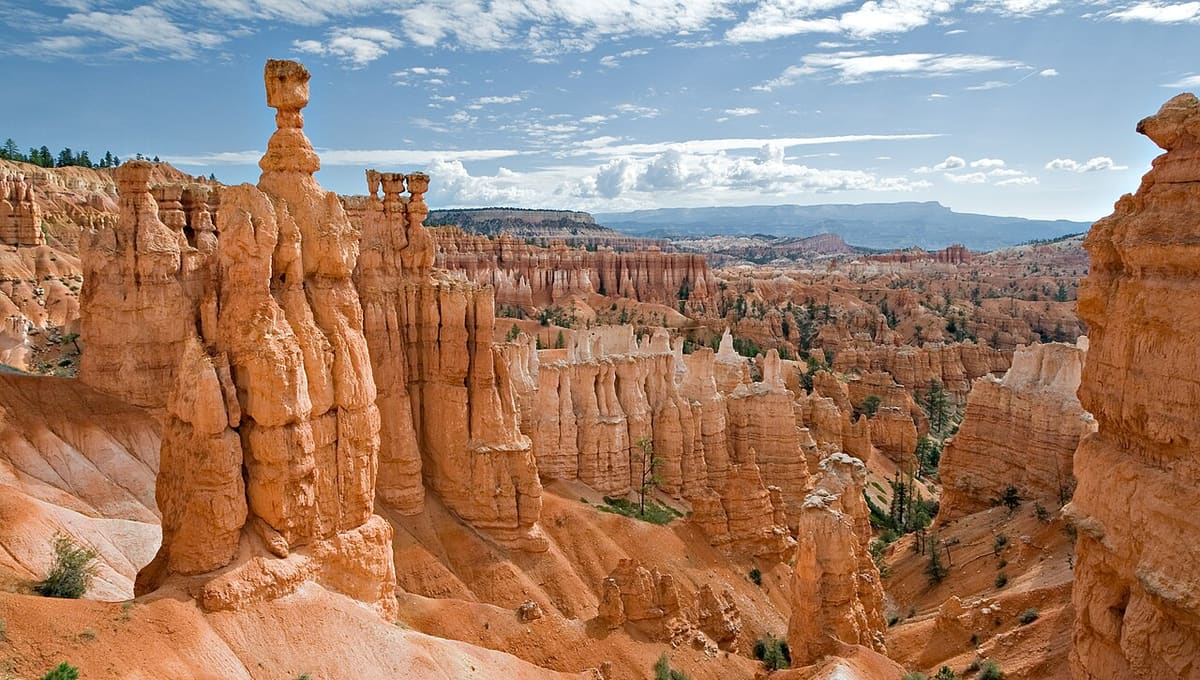
Image: Luca Galuzzi (Lucag) · CC BY-SA 2.5 · Wikimedia Commons
Bryce Canyon National Park lies in southwestern Utah, spanning Garfield and Kane counties, and is famous worldwide for its hoodoos, the red, orange, and white rock spires carved into a series of natural amphitheaters along the Paunsaugunt Plateau. First designated a national park in 1928, it earned Gold Tier certification as an International Dark Sky Park in 2019, the highest rating the designation offers.
Why Bryce Canyon National Park is a top stargazing spot
Bryce Canyon's rim sits between 8,000 and 9,000 feet in elevation, and that height, paired with clean, dry air and the park's remote location, produces exceptionally dark, clear skies. The Gold Tier rating reflects just how little light pollution reaches the park, and the National Park Service backs it up with one of the busiest dark-sky programming calendars anywhere in the system: around 100 ranger-led astronomy programs run each year, typically on Tuesdays, Thursdays, and Saturdays through spring, summer, and fall, and every one ends with stargazing and telescope viewing.
What you can see
On a clear night, thousands of stars are visible to the naked eye and the Milky Way stretches across the sky as a distinct band. Remarkably, the Andromeda Galaxy, 2.2 million light years away and the most distant object visible without a telescope, can also be picked out with the naked eye from Bryce Canyon. In June and July, dedicated night sky telescope programs run Fridays and Saturdays at the Visitor Center, starting around 9:45pm once the sky is fully dark.
Visiting Bryce Canyon National Park at night
The park's flagship event is its annual Astronomy Festival, held each June (June 11 to 13 in 2026), with daytime activities, telescope viewing, and evening programs for visitors of all ages. Full Moon Hikes let visitors explore the hoodoos by moonlight on the opposite end of the lunar cycle. Outside the park's western boundary, the independently run Dark Rangers observatory offers guided tours Thursday through Saturday at 10:00pm, 10:30pm, and 11:00pm, with reservations required. The Dark Rangers recommend visiting during the week of, or the week before, a new Moon for the darkest possible skies, and the park's own programming follows the same logic.
Best time to go
Because Bryce Canyon sits well north of the equator, the Milky Way's bright core is at its best from roughly March through September, climbing higher through the summer months when the ranger programs and Astronomy Festival are also running. Winter brings its own reward in Orion and the other bright winter constellations, plus quieter, less crowded viewpoints. The Perseid meteor shower peaks in mid-August and is one of the most reliable of the year; the Geminids follow in mid-December. Whichever season you choose, build the trip around a new Moon, give your eyes 20 to 30 minutes to adjust once the sky is dark, and use only red light once you're stargazing.
Getting there
The nearest town is Panguitch, about 24 miles southeast of the park on Highway 89. If you're coming via Scenic Byway 12, the Red Canyon Visitor Center, open year-round and about 3.5 miles from the Highway 89 junction, is a useful stop on the way in.
See your named star from here
Few places make the case for stargazing like a park where the Andromeda Galaxy is visible to the naked eye. Bring the coordinates from your star certificate and a stargazing app to one of Bryce Canyon's ranger-led programs or a Dark Rangers tour, look up your star in the catalogue, and see our observatories list for more places to view the night sky.
Conditions and access vary by season. Check the official website and Google Maps before you travel, and aim for a clear night near the new Moon for the darkest sky.
Satellite imagery: Esri, Maxar, Earthstar Geographics

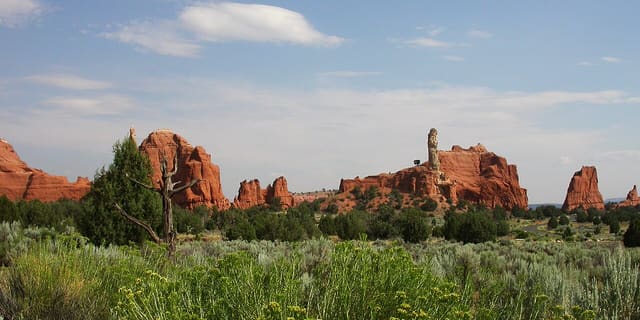 21 kmDark Sky Park
Kodachrome Basin State Park
state park in Kane County, Utah, United States

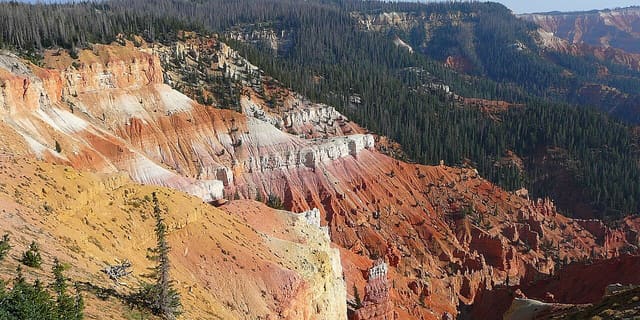 60 kmDark Sky Park
Cedar Breaks National Monument
national monument in Iron County, Utah, United States

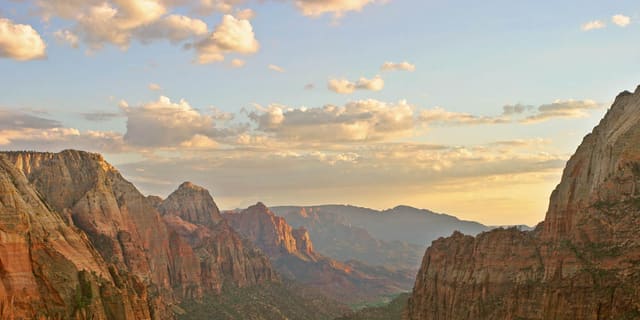 87 kmDark Sky Park
Zion National Park
national park in Washington, Iron, and Kane counties in Utah, United States

 93 kmCommunity