
Zion National Park

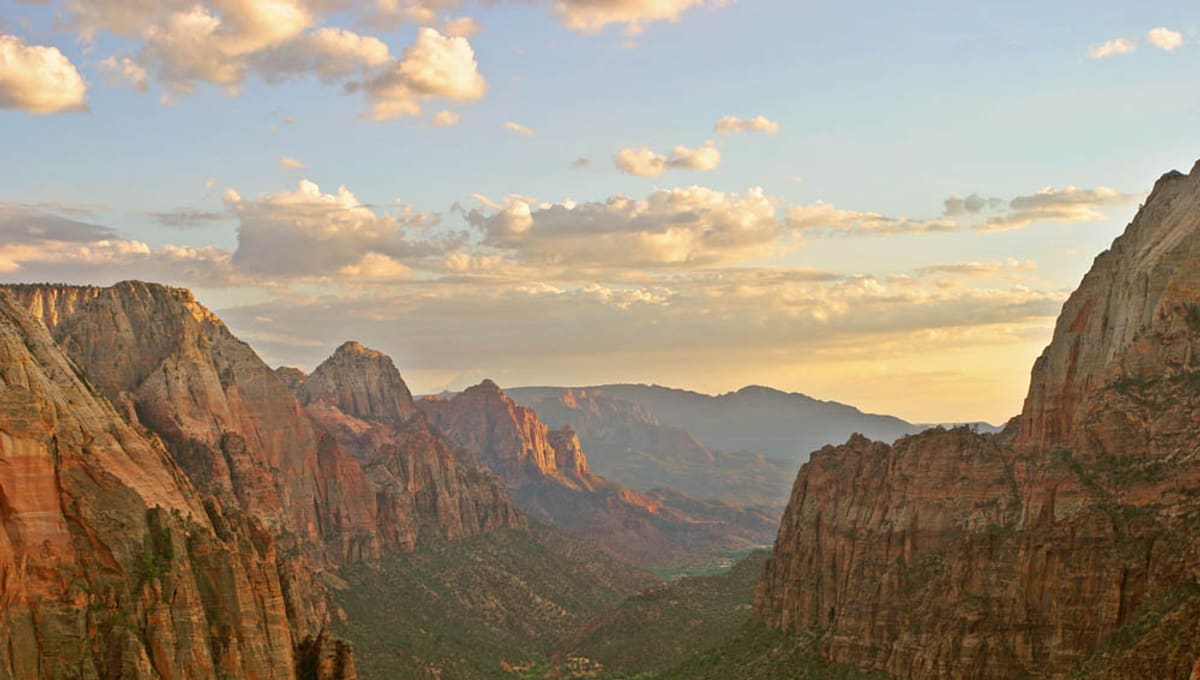
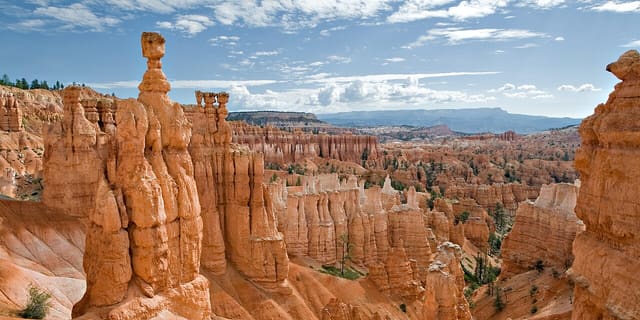
Image: Diliff · CC BY-SA 3.0 · Wikimedia Commons
Zion National Park sits in southwestern Utah near the town of Springdale, and on 3 June 2021 it was certified an International Dark Sky Park, the last of Utah's celebrated 'Mighty Five' national parks to earn that recognition.
Why Zion National Park is a top stargazing spot
Zion's certification came after a rigorous application process that required demonstrating strong community support for protecting dark skies, backed by multiple local and state partners. The gateway town of Springdale is itself a certified International Dark Sky Community, so the dark-sky ethos extends well beyond the park boundary. Zion covers 229 square miles of dramatic canyon and desert terrain, with Zion Canyon's sheer sandstone walls rising up to 2,640 feet, a striking backdrop for a night sky.
Visiting Zion National Park at night
Because Zion draws close to five million visitors a year, timing your visit for a clear, moonless night and finding a quieter viewpoint away from the main canyon road will give you the best results. Checkerboard Mesa, in Upper East Canyon near the East Entrance Ranger Station, has a pullout well suited to stargazing, as does Kolob Terrace Road, which sees far fewer visitors and opens views in every direction. Kolob Canyon, with its recently renovated pullouts, stays open year round. From May to September, park rangers run stargazing programmes with telescope viewing, constellation tours and light pollution education, including sessions at the South Campground Amphitheater, and several private operators, among them East Zion Adventures, Stargazing Zion and Zion Ponderosa Ranch, offer guided night excursions with telescopes and constellation storytelling outside that season. Check the park's official website for current conditions, road access and programme dates before you travel.
Best time to go
Zion sits in the northern hemisphere, so the Milky Way's core is best placed roughly March to September, arcing over the canyon on warm-season nights, while winter delivers crisp views of Orion and the other bright winter constellations once the core has set. The Perseids in August are worth planning around, especially paired with a ranger programme, and the Geminids in December and Quadrantids in January reward a cold, clear desert night. As anywhere, aim for a night near the new Moon, give your eyes twenty to thirty minutes to adapt, and use a red light instead of white to keep your night vision intact.
Getting there
Zion National Park is reached via the town of Springdale, Utah, itself a certified International Dark Sky Community and the usual base for a night in the park. The park's South and Kolob entrances both offer road access to the stargazing pullouts on Kolob Terrace Road and in Kolob Canyon.
See your named star from here
Zion's certified dark sky and dramatic desert horizon make it a memorable place to search for a star you've named as a gift or tribute. Bring the coordinates from your certificate, pull up a stargazing app once you're away from the canyon lights, at Checkerboard Mesa or along Kolob Terrace Road, and look up. Browse the full star catalogue, or see more certified dark-sky destinations on the observatories page.
Conditions and access vary by season. Check the official website and Google Maps before you travel, and aim for a clear night near the new Moon for the darkest sky.
Satellite imagery: Esri, Maxar, Earthstar Geographics

 42 kmCommunity
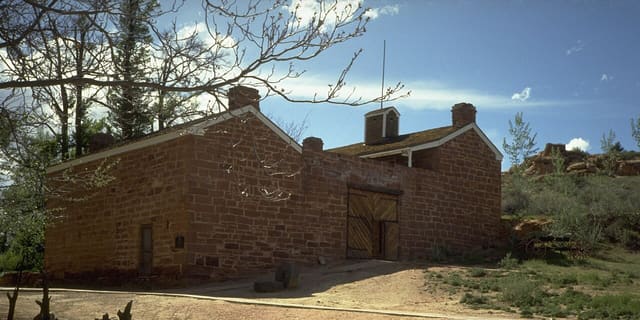 44 kmDark Sky Park
Pipe Spring National Monument
national monument in Mohave County, Arizona, United States

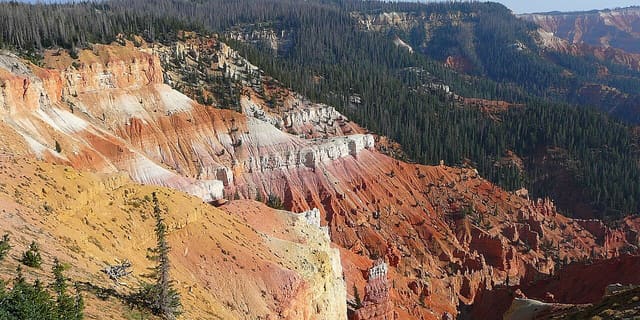 50 kmDark Sky Park
Cedar Breaks National Monument
national monument in Iron County, Utah, United States

 87 kmDark Sky Park
Bryce Canyon National Park
national park in Garfield and Kane counties in Utah, United States