
Cedar Breaks National Monument

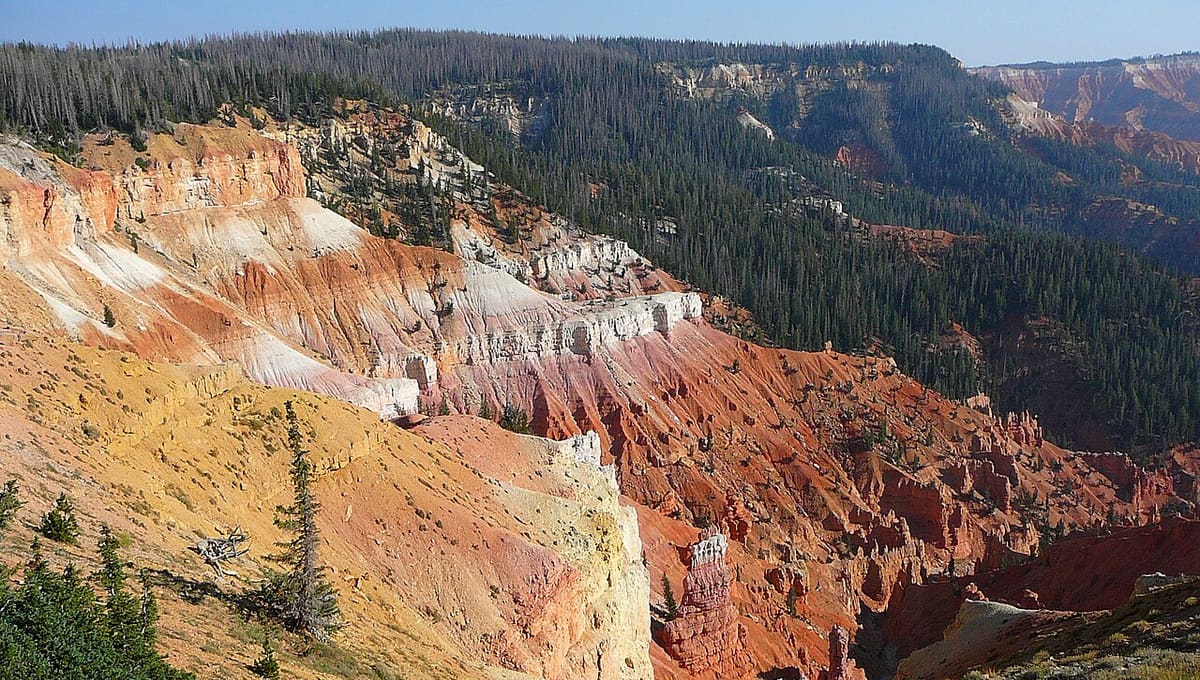
Image: Original uploader was Averette at en.wikipedia · CC BY 3.0 · Wikimedia Commons
Cedar Breaks National Monument protects a natural amphitheater carved into the Markagunt Plateau in southern Utah, about 30 minutes from Cedar City, and its high elevation places it among the darkest and clearest night skies in the lower 48 states.
Why Cedar Breaks National Monument is a top stargazing spot
Cedar Breaks was designated an International Dark Sky Park in 2017, becoming the 16th of over 400 National Park Service units to earn the distinction. At 10,350 feet (3,155 metres), it hosts the highest-elevation stargazing programmes in the National Park System, sitting within one of the largest regions of natural darkness remaining in the contiguous United States while still being an easy trip from the population centres along the I-15 corridor.
What you can see
The high, thin air at Cedar Breaks' elevation makes for exceptionally crisp naked-eye views of the night sky, with the amphitheater's rim offering wide open sightlines in multiple directions.
Visiting Cedar Breaks National Monument at night
The onsite Point Supreme campground has 25 sites with flush toilets, showers and potable water, but it is open only from mid-June to mid-September. The visitor centre, at 4730 UT-148 in Brian Head (435-986-7120), closes for the season from mid-October to mid-May once snow sets in. Ranger-led stargazing programmes run through the summer months; check the official calendar before you travel, since dates vary by year. Brian Head ski resort, three miles north, offers year-round lodging, restaurants, gas and groceries, while Cedar City, about 30 miles west, has a wider range of accommodation and dining for a longer stay.
Best time to go
Because the monument's facilities and summer programmes run from roughly June through September, that window also lines up well with prime Milky Way viewing at this latitude, when the galaxy's core arcs across the southern sky after dark. The Perseid meteor shower peaks in mid-August, right in the middle of the open season, while the Geminids arrive in mid-December for those willing to brave a closed campground and colder conditions. Whenever you visit, choose a night near the new Moon, let your eyes adjust for twenty to thirty minutes, and bring a red light to protect your night vision once you arrive.
Getting there
Cedar Breaks sits atop the Markagunt Plateau, about 30 minutes from Cedar City along UT-148, and three miles from Brian Head. Both towns make convenient stops for fuel, food and lodging on the way up to the rim.
See your named star from here
With skies this dark and clear, Cedar Breaks is a strong spot to track down a star you have named through Star Register. Use your certificate's coordinates with a stargazing app from the amphitheater rim, browse the full star catalogue, or check our observatories directory for more dark-sky sites nearby.
Conditions and access vary by season. Check the official website and Google Maps before you travel, and aim for a clear night near the new Moon for the darkest sky.
Satellite imagery: Esri, Maxar, Earthstar Geographics

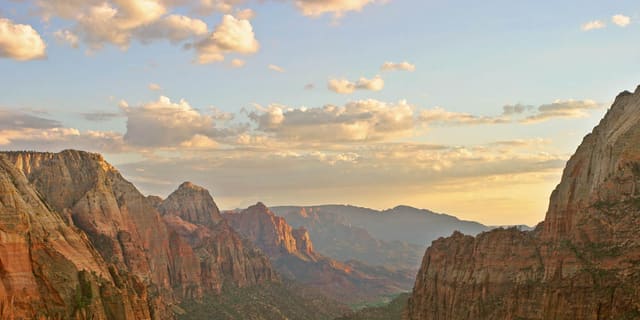 50 kmDark Sky Park
Zion National Park
national park in Washington, Iron, and Kane counties in Utah, United States

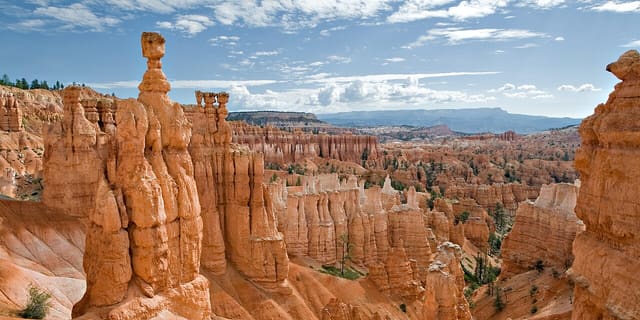 60 kmDark Sky Park
Bryce Canyon National Park
national park in Garfield and Kane counties in Utah, United States

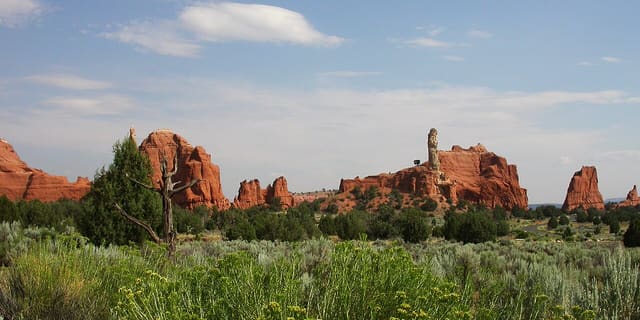 76 kmDark Sky Park
Kodachrome Basin State Park
state park in Kane County, Utah, United States

 83 kmCommunity