
Kodachrome Basin State Park

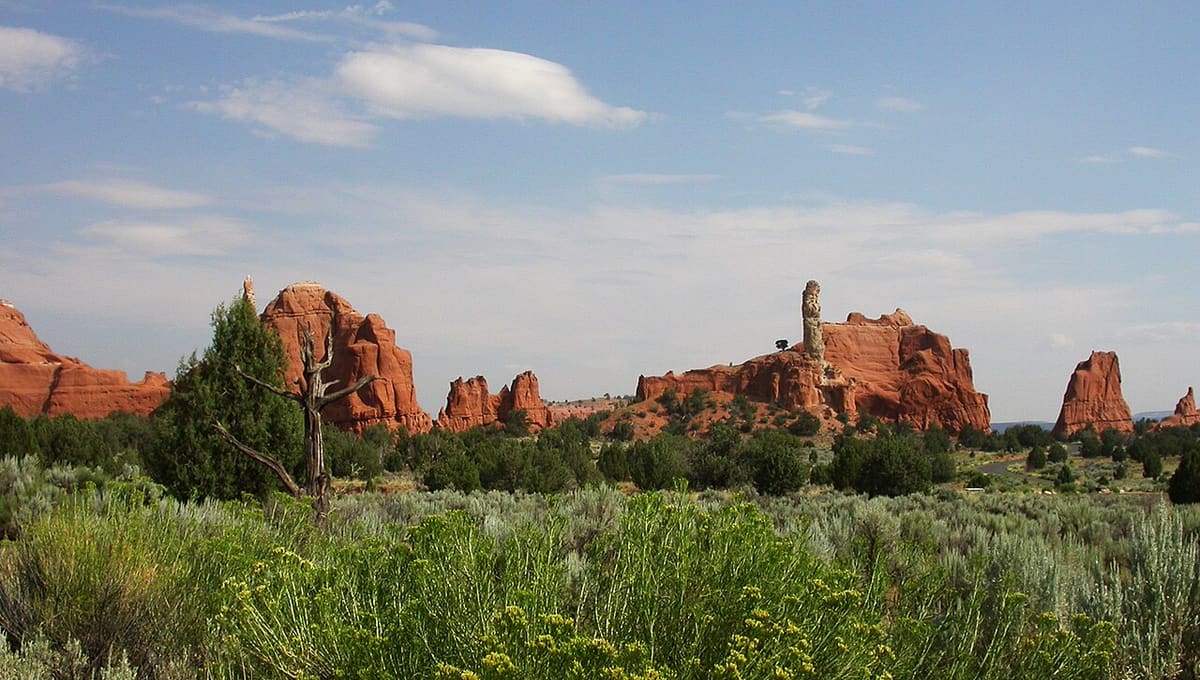
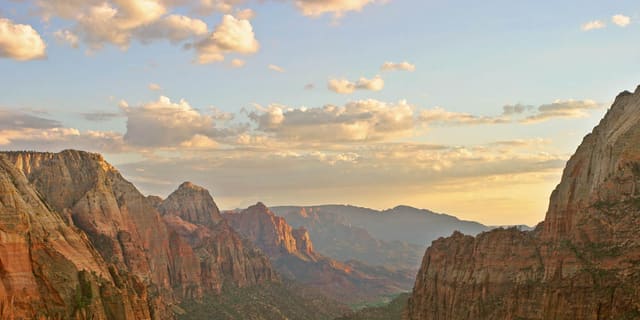
Image: DimiCalifornia · Public domain · Wikimedia Commons
Kodachrome Basin State Park sits in Kane County, Utah, about 20 miles southeast of Bryce Canyon National Park, at an elevation of 5,800 feet. Its remote, high-altitude setting among red-rock formations has made it one of the darkest places in the continental United States.
Why Kodachrome Basin is a top stargazing spot
The International Dark-Sky Association designated Kodachrome Basin an International Dark Sky Park in 2021, and the park is rated Bortle Class 2, near the darkest end of the scale used to measure night-sky quality. That combination of remoteness and elevation keeps skyglow to a minimum, even by the standards of southern Utah's famously dark parks.
What you can see
On clear nights the Milky Way stretches dramatically across the sky, bright enough to be the dominant feature overhead rather than a faint smudge. The park's isolation from large towns means fainter stars and deep-sky detail are far easier to pick out here than at most parks closer to Utah's more visited attractions.
Visiting Kodachrome Basin at night
Rangers lead stargazing programmes through the summer months, helping visitors identify constellations and other celestial objects, and local outfitters occasionally host their own astronomy events, so it's worth checking the park calendar for current offerings. The park has three campgrounds offering standard, full hook-up and group sites, plus two bunk houses; two of the three stay open year-round, with the third operating seasonally, making an overnight stargazing stay straightforward to plan. By day, guided horseback tours of up to two hours run along the Panorama Trail from a trailhead off Kodachrome State Park Road. Check the Utah State Parks site for current camping availability and conditions before visiting.
Best time to go
At 5,800 feet and around 37 degrees north, Kodachrome Basin sees the Milky Way's core dominate the southern sky from roughly March through September, which is also when rangers run their summer stargazing programmes. Winter swaps that for exceptionally crisp views of Orion and the other bright winter constellations, helped by thin, high-desert air. The Perseids in August and the Geminids in December are the meteor showers most worth planning around, and as always, aim for the new Moon window, give your eyes twenty to thirty minutes to adjust, and use a red light to protect your night vision. Spring (April to May) and fall (September to October) bring the most comfortable temperatures for a night outdoors.
Getting there
Kodachrome Basin sits about 20 miles southeast of Bryce Canyon National Park, reached from the north by a paved road from Cannonville, or from the south by Road 400, a dirt road that is passable for most vehicles in dry conditions. A longer, fully paved route via US-89 and SR-12 through Tropic is also available if you'd rather avoid unpaved roads.
See your named star from here
A Bortle Class 2 sky like Kodachrome Basin's is about as good as stargazing gets, making it an ideal spot to find a named star with its coordinates and a stargazing app in hand. The near-total darkness here reveals stars that stay hidden almost everywhere else. Explore the star catalogue or discover more dark-sky destinations for your next trip.
Conditions and access vary by season. Check the official website and Google Maps before you travel, and aim for a clear night near the new Moon for the darkest sky.
Satellite imagery: Esri, Maxar, Earthstar Geographics

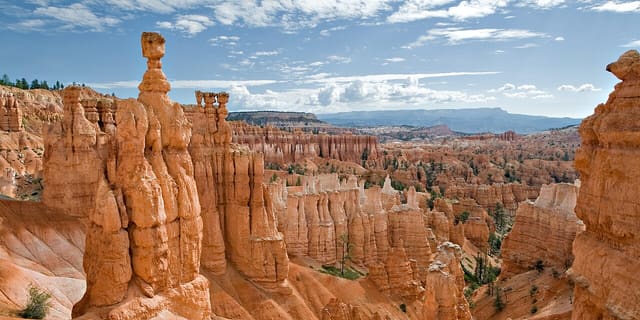 21 kmDark Sky Park
Bryce Canyon National Park
national park in Garfield and Kane counties in Utah, United States

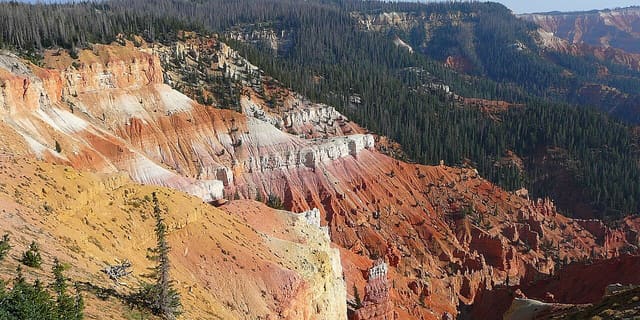 76 kmDark Sky Park
Cedar Breaks National Monument
national monument in Iron County, Utah, United States

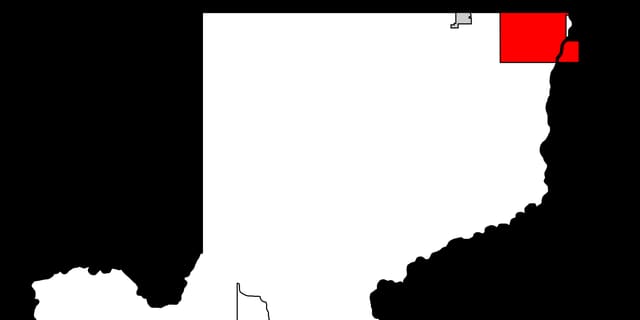 89 kmCommunity
 93 kmDark Sky Park
Zion National Park
national park in Washington, Iron, and Kane counties in Utah, United States