
Torrey

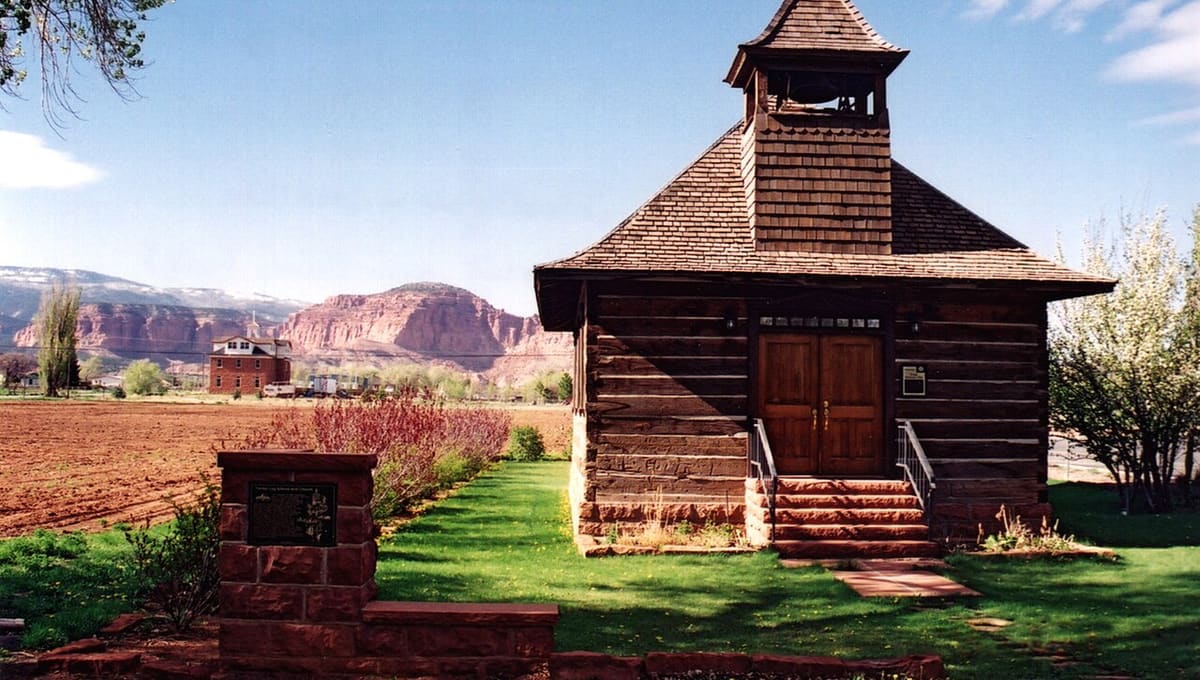
Image: A.E. Crane. · Attribution · Wikimedia Commons
Torrey is a small town of about 231 people in Wayne County, Utah, eight miles from Capitol Reef National Park, and in 2018 it became Utah's first International Dark Sky Community.
Why Torrey is a top stargazing spot
Torrey earned its dark sky community status by adopting an outdoor lighting ordinance that requires shielded, ground-directed fixtures across the town, cutting the glow that would otherwise spill into the surrounding desert sky. As the gateway community to Capitol Reef National Park, itself an International Dark Sky Park since 2015, Torrey sits at the edge of one of the darkest stretches of sky in the American Southwest.
What you can see
From Torrey and the nearby stretches of Capitol Reef, the Milky Way's bright core is clearly visible from March through November, along with meteor showers and a wide sweep of constellations that would be lost to light pollution almost anywhere near a city. The red rock landscape around town has almost no competing light for miles, so the sky stays dark right down to the horizon.
Visiting Torrey at night
Torrey Dark Skies, a local non-profit, runs education programmes and events to help keep the town's dark sky status and teach visitors how to make the most of it. Every September, Capitol Reef National Park and the Entrada Institute co-host the Heritage Starfest, a partnership running since 2013, with telescope viewing, ranger talks on the night sky, and astrophotography workshops split between the park and Torrey itself; the 2026 event runs September 11 and 12. Families visiting between May and early September can also catch the Ripple Rock Nature Center's daily Night Sky Explorer programme for kids, and Hunter Page Photography leads small-group Capitol Reef Astro Tours for anyone who wants a guided night out with a camera. Because Torrey is a real working town rather than a park with fixed hours, it's worth checking current events and any Capitol Reef night-sky programmes before you travel.
Best time to go
June through August brings the most reliable clear skies and comfortable nighttime temperatures for stargazing around Torrey, with the Milky Way's core visible anywhere from March to November. Meteor watchers should look out for the Perseids in August, the Geminids in December, and the Quadrantids in January, all of which show up well against Torrey's dark backdrop. Whatever month you visit, plan around the new Moon, give your eyes twenty to thirty minutes to adjust, and use a red light if you need to see your surroundings.
Getting there
Torrey sits on State Route 24 in Wayne County, Utah, eight miles from the entrance to Capitol Reef National Park, making the two an easy pairing for a single stargazing trip.
See your named star from here
With a lighting ordinance keeping Torrey's own sky dark and Capitol Reef's certified dark sky right next door, this is a genuinely useful place to find a star you've named through Star Register. Take your certificate's coordinates and a stargazing app with you, browse the star catalogue to name a star before your trip, or read our guide on how to find a star in the night sky.
Conditions and access vary by season. Check the official website and Google Maps before you travel, and aim for a clear night near the new Moon for the darkest sky.
Satellite imagery: Esri, Maxar, Earthstar Geographics

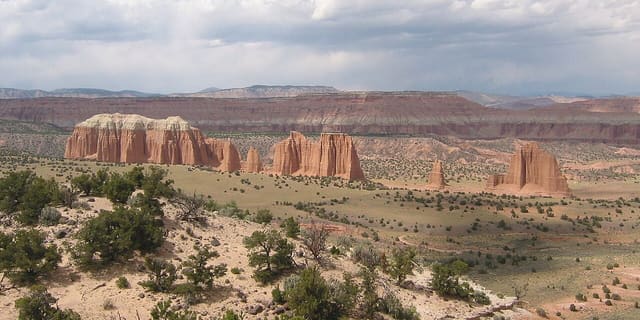 25 kmDark Sky Park
Capitol Reef National Park
national park in Wayne and Garfield counties in Utah, United State

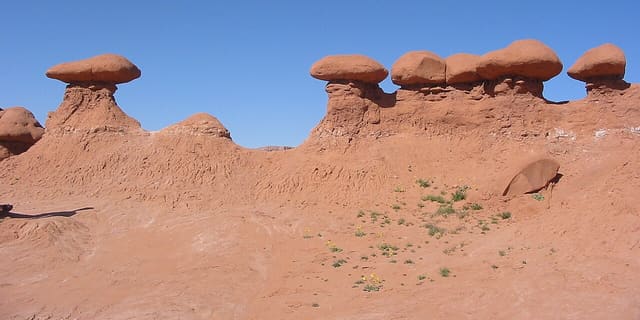 69 kmDark Sky Park
Goblin Valley State Park
state park in Emery County, Utah, United States

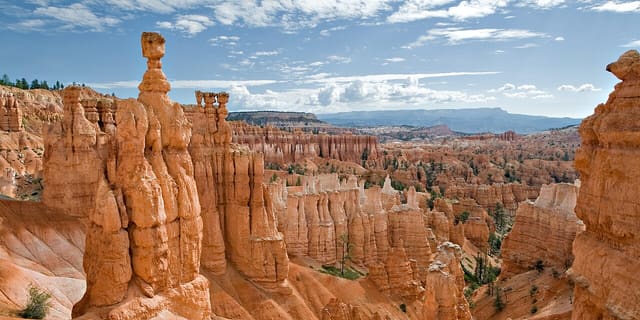 99 kmDark Sky Park
Bryce Canyon National Park
national park in Garfield and Kane counties in Utah, United States

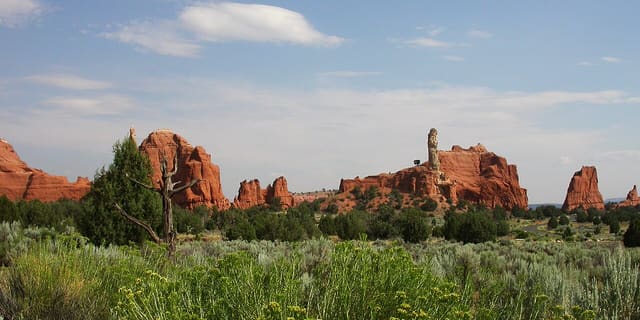 103 kmDark Sky Park
Kodachrome Basin State Park
state park in Kane County, Utah, United States