
Hovenweep National Monument

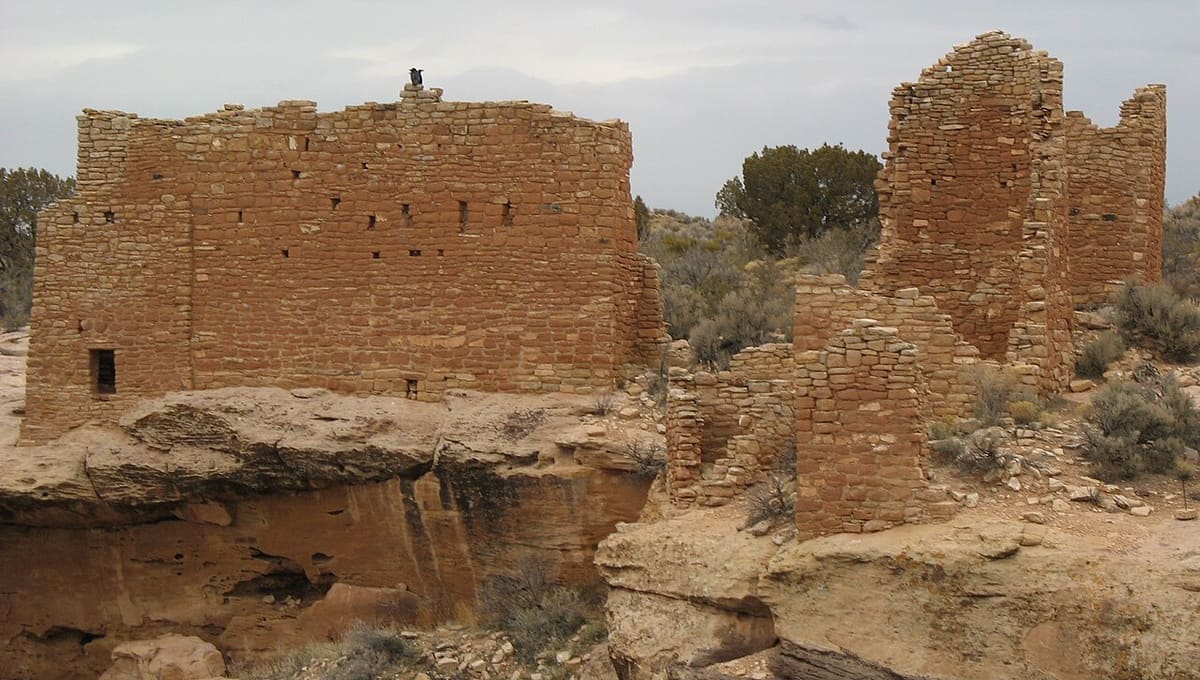
Image: teofilo · CC BY 2.0 · Wikimedia Commons
Hovenweep National Monument sits across six non-contiguous units in southwestern Colorado and southeastern Utah, between Cortez, Colorado and Blanding, Utah. It became a Gold Tier International Dark Sky Park in July 2014, the first Dark-Sky Association Dark Sky Park to span multiple US states.
Why Hovenweep National Monument is a top stargazing spot
Hovenweep's 318 hectares sit in a sparsely populated corner of the Great Sage Plain, far from significant sources of artificial light. That geographic isolation is a major reason it earned Gold Tier status, the darkest of the three International Dark-Sky Association certification tiers, and the monument's skies reach Bortle class 1, the darkest classification on the Bortle scale. Visitors can reportedly see around 15,000 stars on a clear night.
What you can see
Beyond the sheer number of visible stars, Hovenweep's Ancestral Puebloan sites include petroglyphs at the Holly ruin group believed to align with equinoxes and solstices, connecting the monument's night sky to centuries of human observation of the heavens.
Visiting Hovenweep National Monument at night
The main stargazing areas are the visitor centre parking lot and the campground, and ranger-led stargazing programmes run in spring and summer; check the National Park Service website for current programme dates before visiting. The Hovenweep Campground has 31 sites available by reservation, including 10 RV-specific sites (one handicap-accessible) and 21 with tent pads. All sites have picnic tables and fire rings with grill grates, and all but four have shade structures over the picnic table. Flush toilets are available but there are no showers, no RV hook-ups or dump station, and firewood is not sold on site, so bring your own. Drinking water runs at the campground from 1 May to 1 November and is available year-round at the visitor centre.
Best time to go
At Hovenweep's latitude the Milky Way's core is well placed from around March to September, arching across a genuinely dark southern sky on clear, moonless nights, while winter brings sharp views of Orion and the bright winter constellations. The Geminids peak in mid-December and the Quadrantids in early January, and the Perseids are excellent here every August given the monument's Bortle class 1 conditions. As always, plan around the new Moon and allow 20 to 30 minutes for your eyes to fully adapt to the dark.
Getting there
Hovenweep's units lie along the Colorado-Utah border, reached by road between Cortez, Colorado and Blanding, Utah; the visitor centre and main campground are the easiest units to find for a first visit. Roads to the more remote units are unpaved, so check current conditions with the National Park Service before setting out.
See your named star from here
With roughly 15,000 stars visible on a good night, Hovenweep is a genuinely rewarding place to try to find a star you have named. Bring your certificate's coordinates and a stargazing app, and explore star-naming packages or the star catalogue before your trip. See our observatories directory for other dark-sky destinations nearby.
Conditions and access vary by season. Check the official website and Google Maps before you travel, and aim for a clear night near the new Moon for the darkest sky.
Satellite imagery: Esri, Maxar, Earthstar Geographics

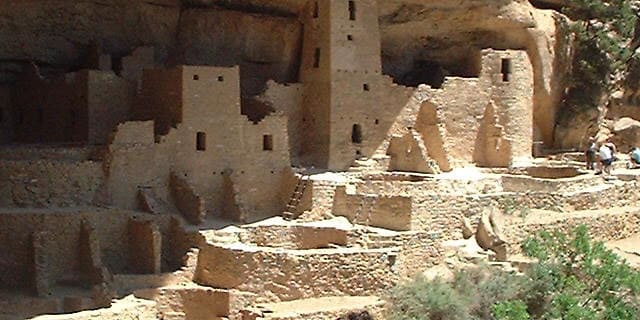 53 kmDark Sky Park
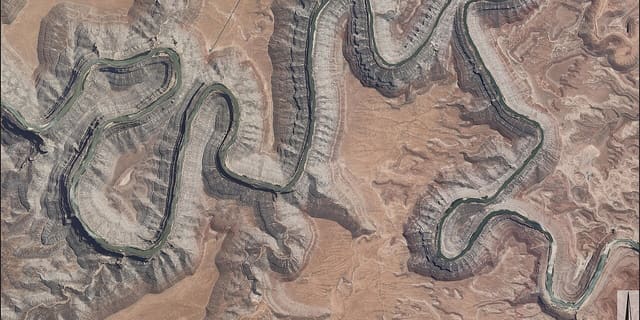 79 kmDark Sky Park
Goosenecks State Park
state park in San Juan County, Utah, United States

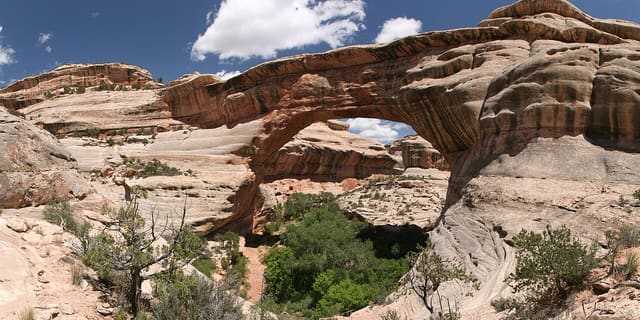 87 kmDark Sky Park
Natural Bridges National Monument
national monument in San Juan County, Utah, United States

 103 kmCommunity