
Rainbow Bridge National Monument

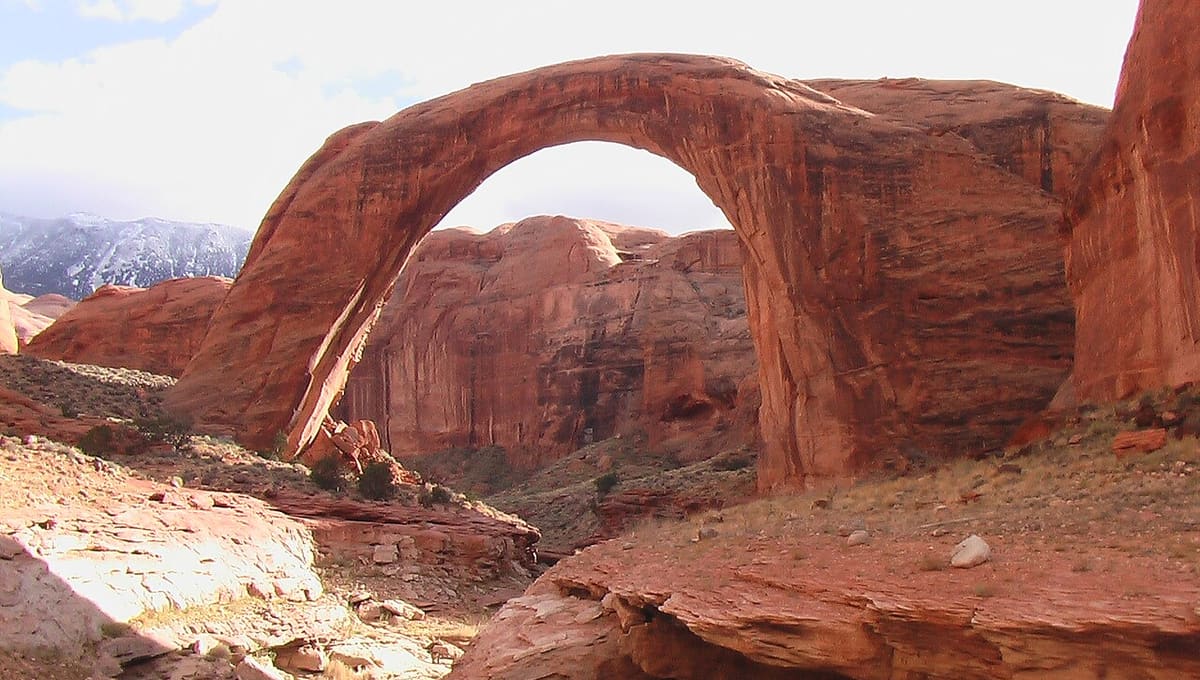
Image: Jason Hickey · CC BY 2.0 · Wikimedia Commons
Rainbow Bridge National Monument protects a natural stone arch in southern Utah's San Juan County, administered as part of Glen Canyon National Recreation Area. In 2018 it became an International Dark Sky Sanctuary, the first such designation within the US National Park Service and only the fourth in the world.
Why Rainbow Bridge National Monument is a top stargazing spot
The bridge itself is one of the largest natural arches on Earth, spanning 275 feet with a height of 290 feet, 42 feet thick at the top and 33 feet wide. Its extreme remoteness, reachable only by a two-hour boat ride across Lake Powell from Page, Arizona followed by a one-mile hike, or by a multi-day overland trek, is exactly what keeps its skies so dark. Artificial light at the zenith measures less than 5% above the natural background level, a benchmark that helped earn the site its sanctuary status in the first place.
What you can see
Under these near-pristine conditions, up to 15,000 stars are visible to the naked eye on a clear night, a scale of sky that most visitors have never encountered. The Milky Way stretches clearly overhead, framed by the arch itself. The aurora borealis is not part of the show here: at around 37 degrees north, Rainbow Bridge sits too far south for the northern lights to appear even during active solar periods.
Visiting Rainbow Bridge National Monument at night
Reaching Rainbow Bridge takes planning: the standard route is a boat trip on Lake Powell from Page, Arizona followed by a short hike, while hardier visitors can take a multi-day overland hike instead. The site holds deep cultural significance, sacred to at least six Native American tribes including the Hopi, Zuni, Navajo, San Juan Southern Paiute, Kaibab Paiute, and Ute Mountain Ute, so visitors should treat the area with particular respect. Check with Glen Canyon National Recreation Area for current access conditions before you travel.
Best time to go
Spring and autumn are generally considered the ideal seasons to visit, when daytime temperatures are milder and nighttime conditions are cooler and more comfortable for a long stargazing session than the height of summer. Whichever season you pick, plan around a new Moon night for the darkest skies, and allow 20 to 30 minutes for your eyes to fully dark-adapt before the faintest of the monument's 15,000 visible stars come into view.
Getting there
The monument is in San Juan County in southern Utah, within Glen Canyon National Recreation Area. Most visitors reach it by boat from Page, Arizona, so trip planning should start with Lake Powell boat tours or marina rentals well before you intend to travel, alongside checking current NPS access guidance.
See your named star from here
With up to 15,000 stars visible, Rainbow Bridge is an exceptional place to search for a star you've named through Star Register using its coordinates and a stargazing app. Browse the star catalogue, explore other certified dark-sky destinations, or see more on our observatories page.
Conditions and access vary by season. Check the official website and Google Maps before you travel, and aim for a clear night near the new Moon for the darkest sky.
Satellite imagery: Esri, Maxar, Earthstar Geographics

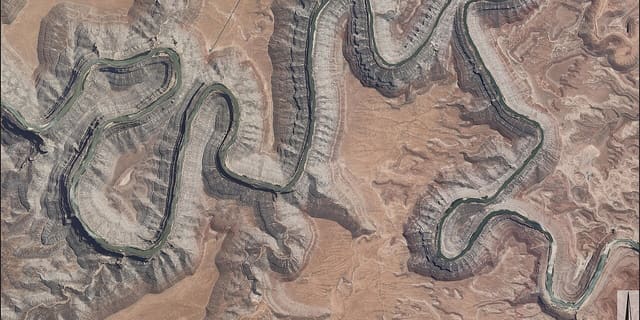 93 kmDark Sky Park
Goosenecks State Park
state park in San Juan County, Utah, United States

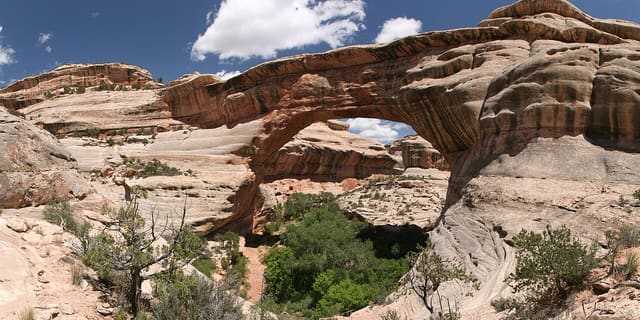 102 kmDark Sky Park
Natural Bridges National Monument
national monument in San Juan County, Utah, United States

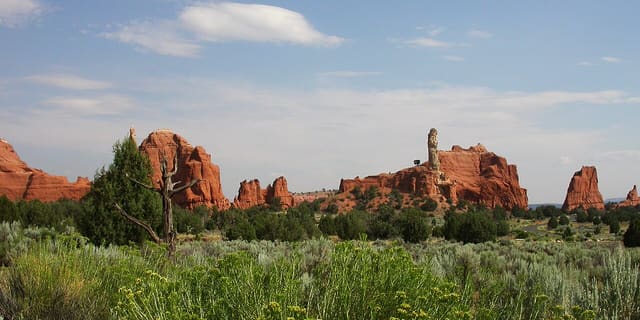 103 kmDark Sky Park
Kodachrome Basin State Park
state park in Kane County, Utah, United States

 124 kmDark Sky Park
Bryce Canyon National Park
national park in Garfield and Kane counties in Utah, United States