
Valles Caldera National Preserve

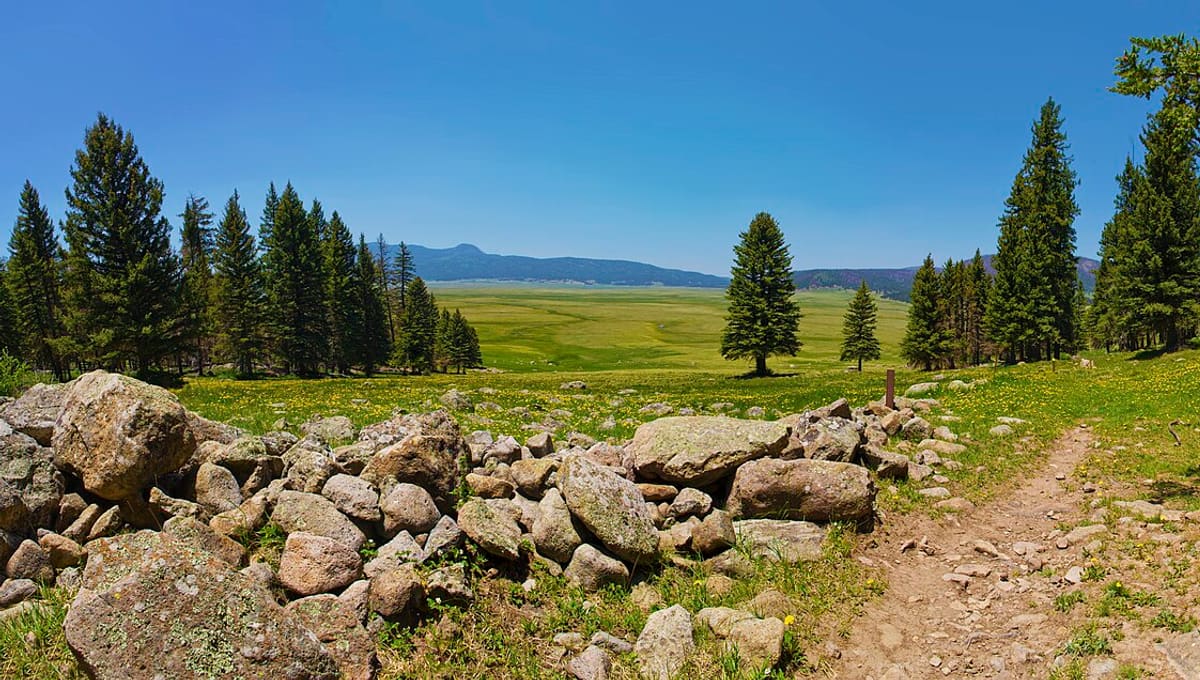
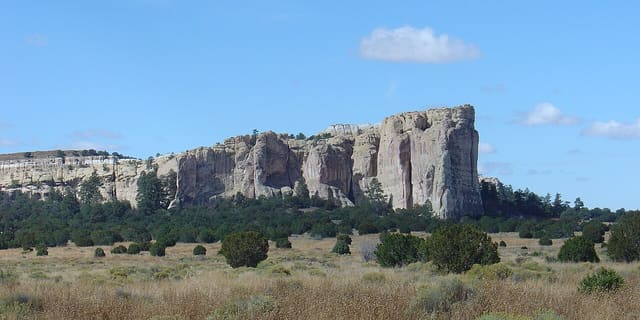
Image: Thomas Shahan · CC BY 2.0 · Wikimedia Commons
Valles Caldera National Preserve protects an 89,000-acre volcanic caldera in the Jemez Mountains of northern New Mexico, one of only three supervolcanoes in the United States, and holds International Dark Sky Park designation, awarded in 2021 as the 37th IDSA-certified National Park Service site in the country.
Why Valles Caldera National Preserve is a top stargazing spot
Valles Caldera sits inside a 13.7-mile-wide volcanic caldera dotted with hot springs, fumaroles, and volcanic domes, established as a National Preserve and National Park Service unit in 2000 and certified as an International Dark Sky Park two decades later, in 2021. Its dark-sky status comes with an unusual perk: stargazing here isn't confined to a visitor centre car park, since numerous pullouts along New Mexico State Route 4, including at least six large ones, offer sweeping, unobstructed vistas of Valle Grande any time, 24 hours a day.
What you can see
With no light pollution to obstruct the view, the preserve's open valles, grassy valleys ringed by the caldera's rim, give a wide, unbroken sweep of sky for watching the Milky Way, planets, constellations, and seasonal meteor showers. Valle Grande, the largest of these valleys and the only one reachable by paved road, is an easy spot to pull over and look up.
Visiting Valles Caldera National Preserve at night
The preserve runs year-round ranger-led night sky programmes, including full moon hikes, new moon stargazing events, astrophotography workshops, and meteor shower watch parties. Entry requires a free permit rather than an entrance fee, and the visitor centre is open 8 am to 6 pm from mid-May through October and 8 am to 5 pm the rest of the year. In summer, 35 free daily permits are also issued for backcountry vehicle access. There's no running water in the preserve, so bring your own, along with extra clothing for the mountain cold after dark, a camp chair for the ranger programmes, and a red-mode light source; setting your phone or camera to amber or night mode helps preserve everyone's dark adaptation, too. Check the official park website for current access and any seasonal closures before you travel.
Best time to go
At close to 36 degrees north, Valles Caldera's best Milky Way viewing runs from roughly March through September, when the galactic core is highest in the sky, though the preserve's ranger-led programmes run year-round, including dedicated new moon stargazing nights. Meteor watchers should look for the Perseids in August, the Geminids in December, and the Quadrantids in January. Whichever season you choose, a clear night around the new Moon, combined with twenty to thirty minutes for your eyes to adjust, will make the most of the caldera's dark sky.
Getting there
The preserve is about 30 minutes' drive west of Los Alamos via New Mexico Highway 4, in the Jemez Mountains of northern New Mexico. Note that the most direct route crosses land near the Los Alamos National Laboratories, where an ID check is required.
See your named star from here
Few settings make a named star feel more findable than a supervolcano's dark, wide-open valley floor. Bring the coordinates from your Star Register certificate and a stargazing app to one of Valles Caldera's pullouts, browse the star catalogue if you haven't named a star yet, or read our guide on how to find a star in the night sky.
Conditions and access vary by season. Check the official website and Google Maps before you travel, and aim for a clear night near the new Moon for the darkest sky.
Satellite imagery: Esri, Maxar, Earthstar Geographics

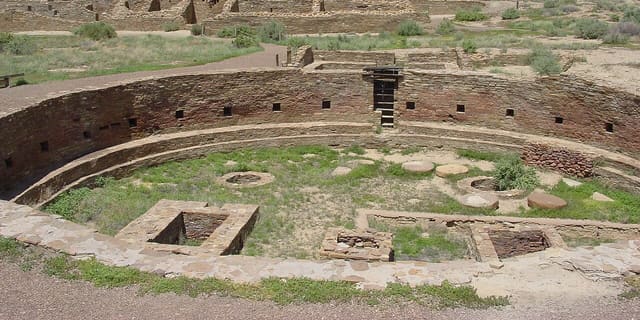 128 kmDark Sky Park
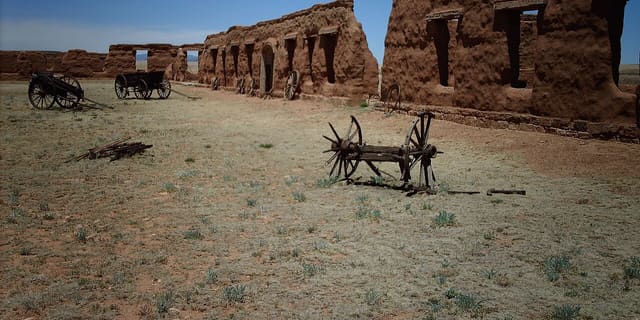 140 kmDark Sky Park
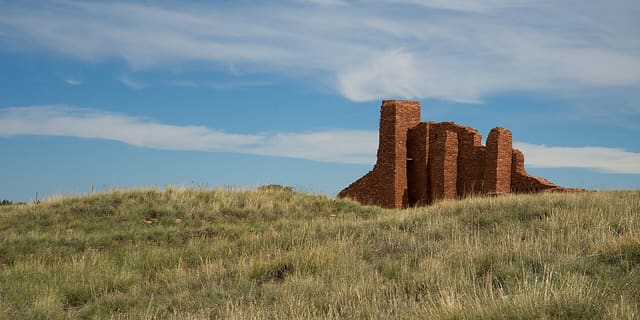 184 kmDark Sky Park
Salinas Pueblo Missions National Monument
National Monument of the United States in New Mexico

 186 kmDark Sky Park