
El Morro National Monument

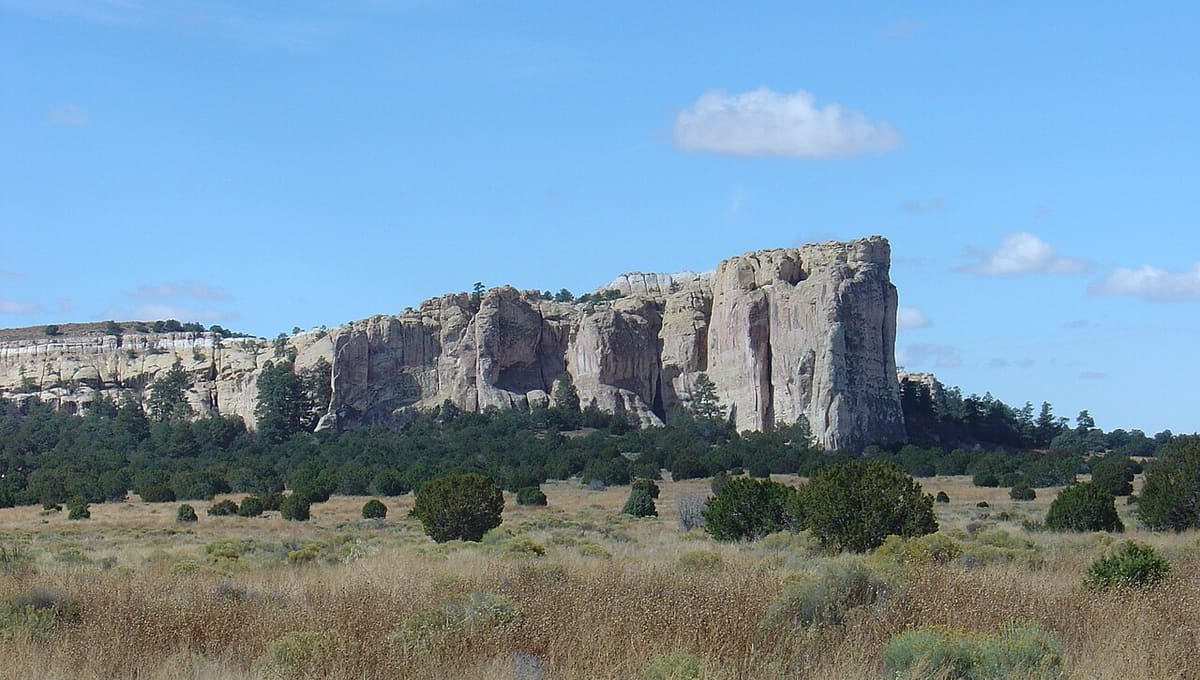
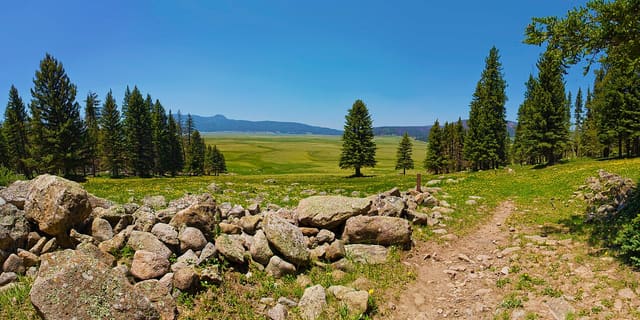
Image: Joel Mills · CC BY-SA 3.0 · Wikimedia Commons
El Morro National Monument protects a sandstone promontory in Cibola County, New Mexico, where a pool of water at the base of the rock has drawn travelers for centuries, many of whom left inscriptions still visible today. Alongside its human history, El Morro carries a modern distinction: it is a certified International Dark Sky Park.
Why El Morro National Monument is a top stargazing spot
DarkSky International certified El Morro as an International Dark Sky Park in December 2019. The site measures Bortle Class 2, among the darkest ratings on the scale, thanks to its remote setting 40 to 50 miles from the nearest cities. With so little artificial light nearby, the night sky here is close to pristine.
What you can see
Under El Morro's Bortle 2 skies, the Milky Way arcs clearly overhead on moonless nights, along with far more stars than are visible from any town or city. The high desert air and lack of light pollution make this one of the more reliable places in the Southwest for naked-eye stargazing, and the same clear, dry conditions are good for watching meteor showers whenever one is active.
Visiting El Morro National Monument at night
The monument's nine-site campground is popular with astronomers who want to stay through the night. Park rangers occasionally host stargazing programmes with telescopes, though these vary by season, so it is worth checking the official National Park Service site before you travel. As with any dark-sky visit, plan around the new Moon, allow at least twenty minutes for your eyes to adapt to the dark, and use a red flashlight to preserve your night vision.
Best time to go
Being in the northern hemisphere, El Morro's Milky Way core season runs roughly March through September, when it is highest in the evening sky; winter nights swap that view for the brighter stars of Orion and its neighbouring constellations. Meteor watchers should look to the Perseids in mid-August and the Geminids in mid-December, with the Quadrantids in early January offering a third peak for a winter visit to the campground. Whatever the season, choose a night near the new Moon, give your eyes twenty to thirty minutes to fully adjust to the dark, and use only red light once you are set up under the stars.
Getting there
El Morro National Monument sits in a remote part of west-central New Mexico, roughly 40 to 50 miles from the nearest cities, so plan fuel, food and accommodation before you arrive. The campground on site means you do not need to drive back out after dark, which makes the most of a clear night here.
See your named star from here
A Bortle Class 2 sky like El Morro's reveals stars that stay invisible from almost anywhere else, which makes it an ideal place to track down a star you have named through Star Register. Bring your certificate's coordinates and a stargazing app, browse the full star catalogue to see what else is visible, and check nearby observatories if you want expert help finding it.
Conditions and access vary by season. Check the official website and Google Maps before you travel, and aim for a clear night near the new Moon for the darkest sky.
Satellite imagery: Esri, Maxar, Earthstar Geographics

 119 kmDark Sky Park
 132 kmDark Sky Park
 181 kmSanctuary
 186 kmDark Sky Park