
Chaco Culture National Historical Park

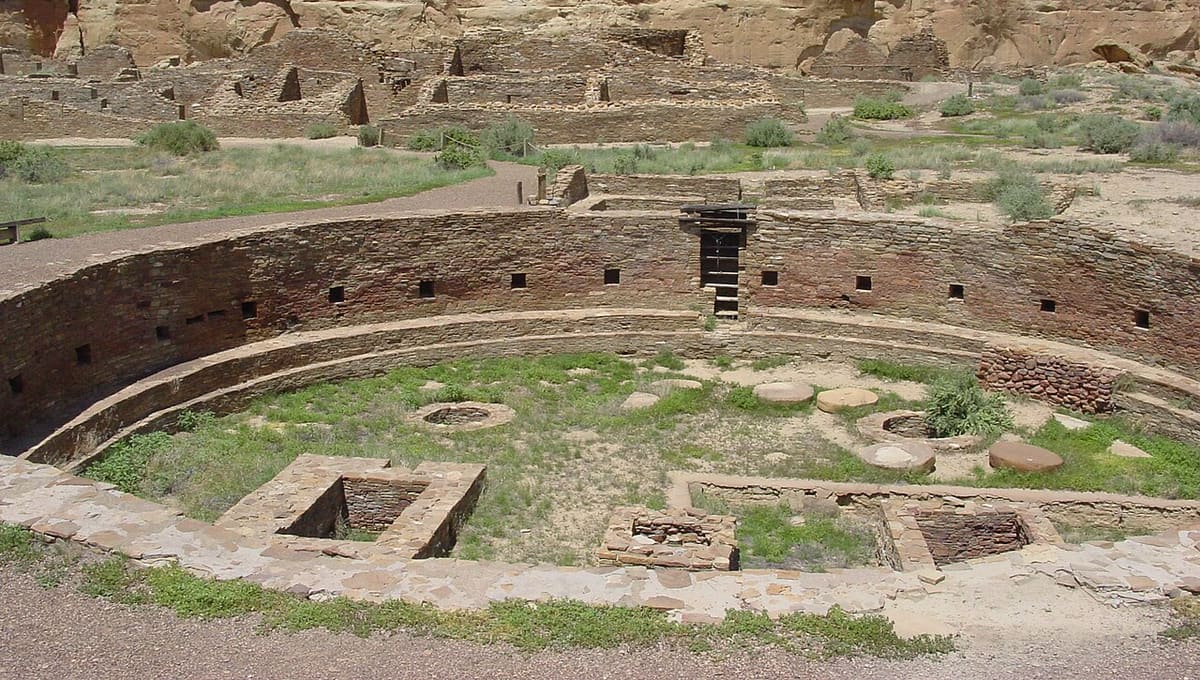
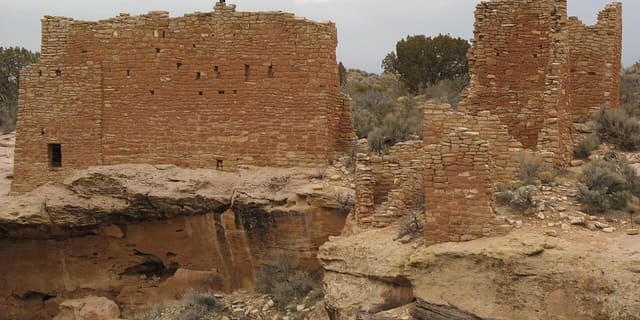
Image: National Park Service (United States) · Public domain · Wikimedia Commons
Chaco Culture National Historical Park protects a remarkable concentration of pre-Columbian pueblo ruins in a remote high desert canyon in northwestern New Mexico, at an elevation of 6,200 feet. Its isolation has preserved night skies rated among the darkest and clearest in the country, with sky quality measuring Bortle Class 2.
Why Chaco Culture National Historical Park is a top stargazing spot
The International Dark-Sky Association designated Chaco a Gold Tier International Dark Sky Park in 2013, one of the highest recognitions the organisation awards. More than 99% of the park is a designated natural darkness zone with no permanent outdoor lighting, and strict dark-sky-friendly lighting standards apply throughout the rest of the site. Measured sky quality here reaches Bortle Class 2, placing Chaco among the darkest publicly accessible sites in the American Southwest. As a result, visitors today see essentially the same night sky that the ancestral Chacoans observed here a thousand years ago.
What you can see
On clear nights the Milky Way arches directly above the canyon's ancient stone structures, a sight largely unchanged since the park's original inhabitants watched the same stars from these same walls. The clearest views tend to come from the Gallo Campground near the park entrance, the overlook along the Una Vida trail, and the Pueblo Bonito parking area, all away from what little artificial light exists nearby. Thousands more stars are visible here than from any city sky, along with the seasonal meteor showers and planets that pass overhead through the year.
Visiting Chaco Culture National Historical Park at night
The park runs ranger-led stargazing programs from April through October, and a public observatory is available for visitor use during scheduled astronomy events. Because Chaco is remote and its roads can be affected by weather, call the park at 505-786-7014 before you travel to confirm conditions and check the current programme schedule.
Best time to go
Chaco sits in the northern hemisphere, so the Milky Way's bright core is best seen from roughly March through September, climbing higher and staying visible longer as summer approaches, which lines up well with the park's April to October programme season. Winter nights trade the galactic core for the brilliant stars of Orion and the other winter constellations. Meteor-watchers can look for the Perseids in August and the Geminids in December, while the Quadrantids put on a show in early January for anyone visiting in the colder months. Whenever you go, plan around the new Moon for the darkest sky, give your eyes 20 to 30 minutes to adjust before the stars come fully into view, and use a red-filtered light to protect that adaptation.
Getting there
Chaco is reached via County Road 7900, a 21-mile route with about 8 paved miles followed by 13 miles of rough dirt road, so a vehicle with high ground clearance is recommended. The nearest town is Nageezi, about 3 miles away, with Cuba around 50 miles off, Bloomfield about 61 miles, and Farmington roughly 73 miles. The closest airports are in Farmington (73 miles), Gallup (92 miles), Durango, Colorado (122 miles), and Albuquerque (159 miles).
See your named star from here
Few places connect stargazing to history quite like Chaco, making it a fitting spot to find a star you have named through Star Register. Bring your certificate's coordinates and a stargazing app to the park's observatory or canyon floor, then browse the star catalogue or our observatories directory for more dark-sky destinations.
Conditions and access vary by season. Check the official website and Google Maps before you travel, and aim for a clear night near the new Moon for the darkest sky.
Satellite imagery: Esri, Maxar, Earthstar Geographics

 119 kmDark Sky Park
 128 kmDark Sky Park
 141 kmDark Sky Park
 177 kmDark Sky Park
Hovenweep National Monument
US national monument in San Juan County, Utah, and Montezuma County, Colorado in the United States