
Salinas Pueblo Missions National Monument

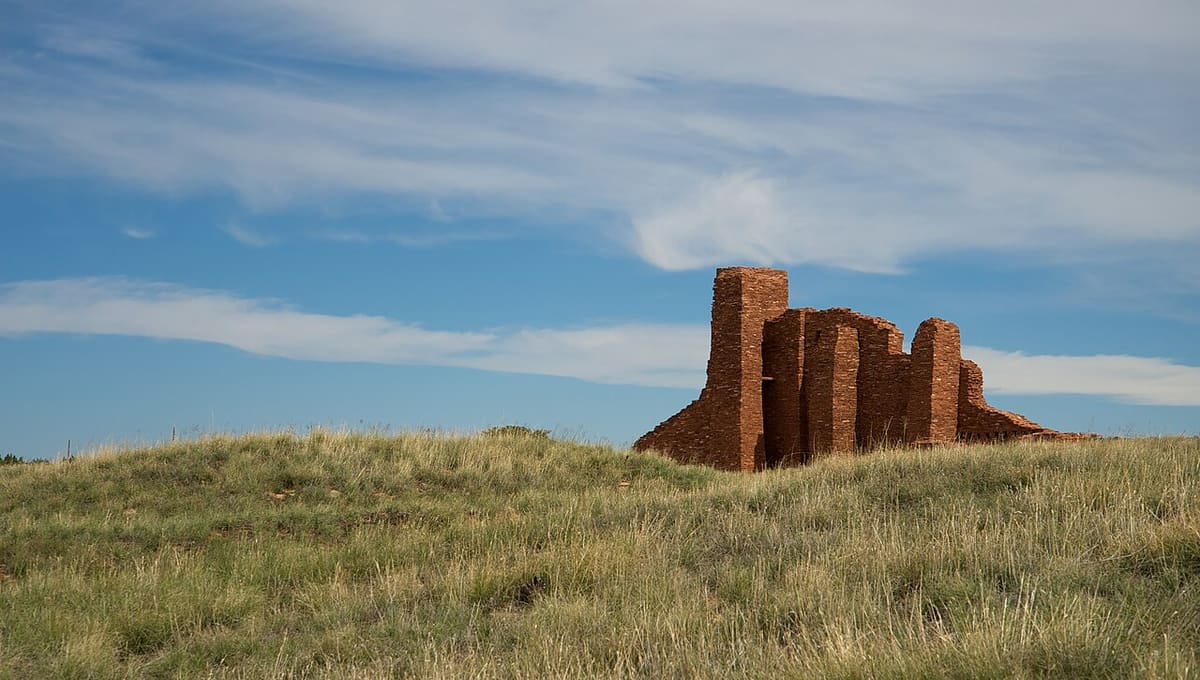
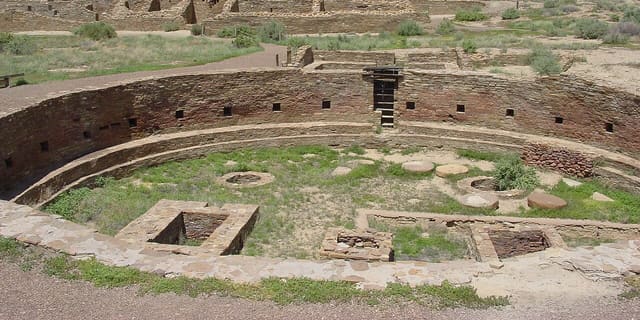
Image: BriYYZ from Toronto, Canada · CC BY-SA 2.0 · Wikimedia Commons
Salinas Pueblo Missions National Monument protects three separate archaeological units, Abo, Gran Quivira and Quarai, in central New Mexico near Mountainair, preserving pueblo ruins alongside 17th-century Spanish mission remains. Alongside its historical significance, the monument is a certified International Dark Sky Park.
Why Salinas Pueblo Missions is a top stargazing spot
The monument holds a Bortle Class 2 rating with Silver-tier dark skies, helped by its location in the Estancia Basin, where the Manzano Mountains to the west block light pollution from Albuquerque and the Interstate 25 corridor. At Gran Quivira in particular, the open, elevated terrain offers nearly unobstructed 360-degree views, with mountain ranges visible up to 100 miles away in daylight, a hint at how far the sightlines stretch after dark too.
What you can see
Under Bortle Class 2 skies the Milky Way is easily visible to the naked eye on clear nights, and the open desert terrain around each unit leaves little to block the horizon. The monument's dark sky programming pairs this natural darkness with views through park telescopes for a closer look at what's overhead.
Visiting Salinas Pueblo Missions at night
From May through October, the park runs monthly Dark Sky Programs, all free to attend, that include ranger-led sunset hikes, stargazing sessions with park telescopes, and a dark-sky photography station. In 2026, sessions at the Abó Unit are scheduled for June 12, July 17 and August 14, each running from 7:30 to 10pm. The park has also paired sunset photography workshops, including sessions on June 26 and July 24, 2026, with hands-on guidance from park rangers and artist-in-residence Joyce Geier. Because the monument is split across three discontinuous units, it's worth checking which site is hosting each event before you visit, and planning around a new Moon for the darkest views.
Best time to go
At roughly 34 degrees north, the monument's Milky Way core season runs from around March through September, arcing across the southern sky on warm New Mexico nights, while the crisper winter air brings out Orion and the brightest stars overhead. The Perseids peak in August, conveniently mid-way through the Dark Sky Program season, and the Geminids in December and Quadrantids in January reward a cold, clear night. Wherever you're headed within the monument, aim for the new Moon, allow twenty to thirty minutes for your eyes to adapt, and bring a red light rather than white to protect your night vision.
Getting there
All three units, Abo, Gran Quivira and Quarai, are reached from the town of Mountainair, home to the park's main visitor centre. Check the National Park Service website before travelling, since each unit sits at a different point around Mountainair and events rotate between them.
See your named star from here
With Silver-tier, Bortle Class 2 skies, Salinas Pueblo Missions is dark enough to reveal stars that never show up in town, making it a fitting place to look for a star you have named as a gift or keepsake. Bring its coordinates and a stargazing app on your visit, browse the star catalogue, and check our observatories listing for nearby telescope viewing.
Conditions and access vary by season. Check the official website and Google Maps before you travel, and aim for a clear night near the new Moon for the darkest sky.
Satellite imagery: Esri, Maxar, Earthstar Geographics

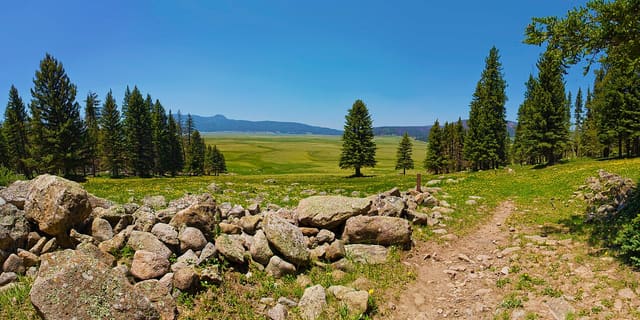 184 kmDark Sky Park
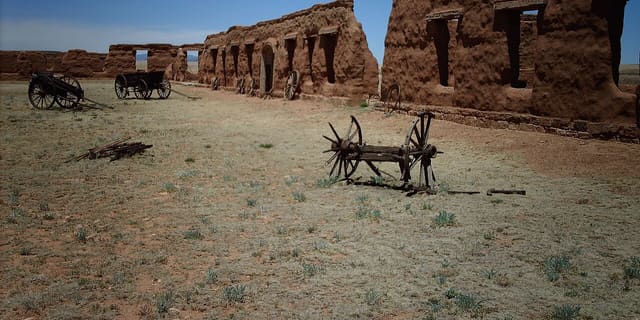 208 kmDark Sky Park
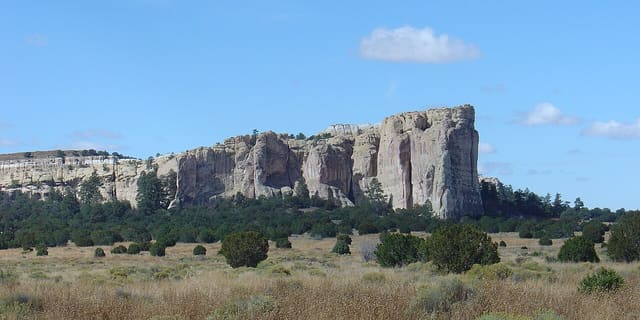 224 kmDark Sky Park
 263 kmDark Sky Park