

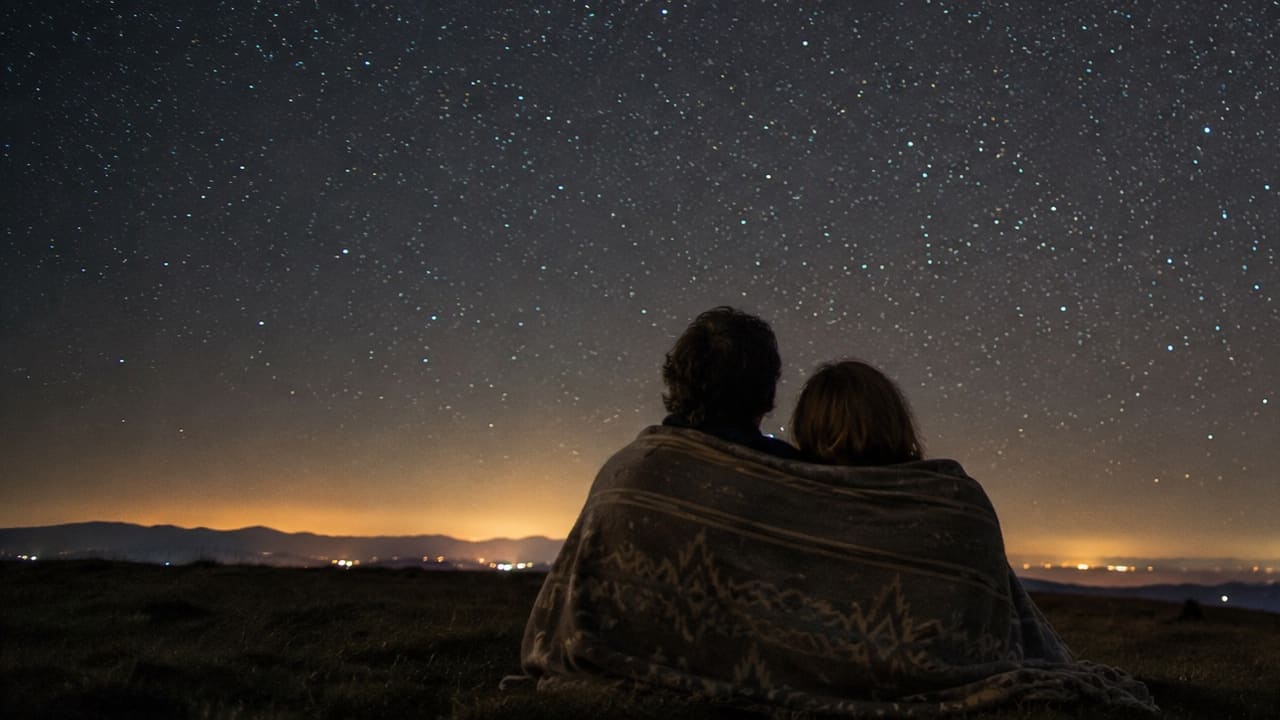
The best gifts are the ones people remember years later. A named star is unusual precisely because it isn't a thing - it's a gesture that stays in the sky long after the wrapping paper is gone. This guide covers who a star gift is perfect for, how to match it to the occasion, how to make it feel truly personal, and how to present it so it lands. It also tells you, honestly, exactly what the recipient is getting.
- A named star is a lasting, personal, low-clutter gift - ideal for the person "who has everything".
- The name is where the meaning lives: make it specific to your relationship, not generic.
- You can choose a constellation that's visible from the recipient's home during a meaningful month.
- It's a genuine last-minute option - the digital certificate arrives in minutes - but even better when framed and paired with a stargazing plan.

Why a star gift works
Most gifts fall into two traps: they're forgettable (another candle, another gadget) or they add clutter. A named star sidesteps both. It's experiential - the recipient can go outside and find it - and symbolic, carrying whatever meaning you attach to the name. Psychologically, gifts that create a shared experience or a lasting memory are valued more highly than material objects, which is exactly the territory a star occupies.
- It lasts. Flowers wilt in a week; a dedication is permanent in the register.
- It's personal. You choose the name, the constellation and the message.
- It's an experience, not clutter. Pair it with a night under the stars.
- It suits almost anyone - hard-to-buy-for people especially.
The right occasion for a star
A star dedication flexes to fit the moment. Here's how to angle it for different occasions:
| Occasion | Angle it with… | Nice touch |
|---|---|---|
| Anniversary / wedding | A star named for the couple, or a binary (twin) star for two | Choose a constellation visible on the wedding date |
| Memorial / remembrance | A dedication in a loved one's name | Pick a constellation the person loved, or that's up on their birthday |
| New baby | The child's name and birth date | Frame it for the nursery wall |
| Valentine's Day | A romantic phrase or shared in-joke | Add the coordinates of "your" star to a card |
| Milestone birthday | Name + the year, in a bright, findable star | Plan an observatory visit to see it |
| Graduation / achievement | "Reach for the stars" framing | Choose a high, easy-to-find star like Vega |
Make the name mean something
The name is where the personality lives, and it's the single biggest lever you have. Generic names are forgettable; specific ones become a story.
"Generic names are forgettable; 'The Night We Missed The Train' is not. The more specific to the two of you, the more the gift belongs only to you."
- Use an inside joke or nickname - the more only-you-would-get-it, the better.
- Turn a date into a phrase - a wedding date rendered as words, an anniversary month.
- Tell a micro-story - a place, a moment, a shared first.
- Keep it readable on a certificate - a short, punchy phrase frames better than a paragraph.
Curious how the name gets locked to a real star and kept unique? See how naming a star actually works.
Match the constellation to the moment
You can choose the constellation your star sits in - so choose one that's visible from where your recipient lives during a meaningful month. Then they can actually step outside on their birthday or anniversary and look up at it.
- Summer gift? Vega in Lyra or Antares in Scorpius are well placed - see the best summer constellations.
- Winter gift? Orion and Taurus dominate the evening sky and are unmistakable.
- Year-round? Circumpolar constellations like Ursa Major and Cassiopeia never set from northern latitudes.
Pro tip: pick a bright, high star if you want the recipient to actually see it with the naked eye. Many catalogued stars are faint (magnitude 8–14) and need binoculars - lovely for a keepsake, but choose a brighter one if "go outside and spot it tonight" is the goal.
Present it beautifully
The digital certificate and sky map arrive within minutes, which makes this a genuine last-minute rescue. But with a little time you can turn it into a moment:
- Print and frame the certificate on good stock - it becomes wall art.
- Set up the app in advance so you can find the star together the same evening (see the app walkthrough).
- Plan the reveal outdoors - hand over the certificate, then point up at the constellation.
- Book an observatory night for a milestone gift and see the star through a real telescope - find one near you.
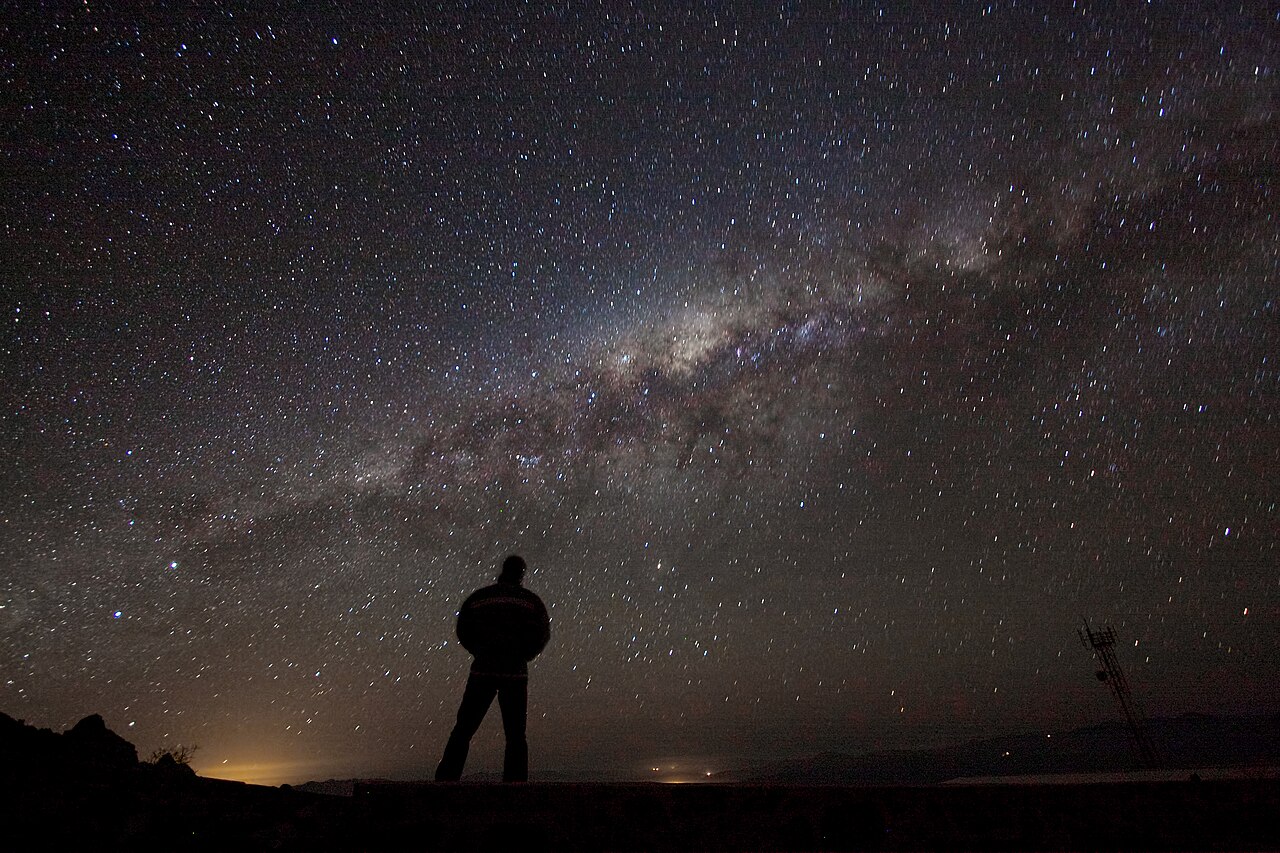
Be honest about what it is
Part of what makes the gift land is telling the story straight: this is a symbolic dedication in a private register, not an official scientific name. People appreciate the honesty - and the star is still genuinely up there, at real coordinates you can point a telescope at. Overclaiming ("registered with NASA") cheapens the gesture and isn't true; read why in what NASA does - and doesn't - do with star names. The honest version is the more romantic one anyway: a real star, a name only you chose, kept unique forever.
How it compares to other gifts
| Gift | Lasts? | Personal? | Clutter? | Last-minute? |
|---|---|---|---|---|
| Flowers | Days | A little | No | Yes |
| Another gadget | Until it's obsolete | Rarely | Yes | Sometimes |
| Named star | Permanent | Very | No | Yes (digital) |
| Experience day | The memory | Somewhat | No | Yes |
| Jewellery | Years | Somewhat | Low | Sometimes |
Frequently asked questions
Is naming a star a good gift?
For the right person, yes - it's lasting, personal and clutter-free, and it works beautifully for people who are hard to buy for. Pair it with a night of stargazing to turn it into an experience.
How much does it cost to name a star as a gift?
Digital-only dedications usually sit at the lower end of the market, with printed and framed gift sets ranging higher. See current ranges and the full breakdown in how much it costs to buy a star.
Can I name a star for someone who has died?
Yes - a memorial dedication is one of the most meaningful uses of a star gift. Choose a constellation the person loved, or one that's visible on their birthday, so the family can look up at it.
How fast can I get it? I need a gift today.
The digital certificate and sky map are usually delivered within minutes of ordering, so a star works as a genuine last-minute gift. Printed and framed editions are posted separately.
Can two people share a star, or get one each?
Both are popular for couples: a single star named for the two of you, or a binary "twin" star - two suns orbiting each other. See double stars, explained.
Will they be able to see the star?
They can always find the exact spot with a free app. To see the star itself with the naked eye, choose a bright one; fainter stars need binoculars or a telescope. Full detail in the finding guide.
Sources & further reading
- Van Boven & Gilovich, "To Do or to Have? That Is the Question", Journal of Personality and Social Psychology (2003) - research on why experiential gifts outlast material ones.
- International Astronomical Union - on buying star names (why honest framing matters).
- Terence Dickinson, NightWatch: A Practical Guide to Viewing the Universe - for planning the stargazing evening.
Related reading: how naming a star works, finding your star with an app, and the best constellations to spot. Partner guide: Where to buy a star - an honest guide (LabelStars).
Ready to make someone's night? Name a star and receive the certificate and sky map within minutes - or find an observatory and plan a night to see it together.