

Star naming works by recording a personal dedication in a private registry and linking it to the coordinates and catalogue identity of a real star. The result is a symbolic record—not an official scientific rename or legal ownership. This guide explains the registration process, the astronomy behind the coordinates, what a useful certificate contains and how the recipient can find the assigned star again.
- A private registry connects your chosen name to the coordinates of a real catalogued star.
- The personal name is unique within that provider's database, not across every registry or scientific catalogue.
- A useful package includes coordinates, a catalogue identifier, constellation information and a retrievable registration record.
- The International Astronomical Union does not sell personal star names, and NASA does not operate a commercial registry.
- The name, date, message and way you reveal the gift usually matter more than premium packaging.
What does it mean to name a star after someone?
A commercial star-naming service creates a commemorative record in a private catalogue. The provider selects or lets you choose a genuine astronomical object, records your personal name against its position and supplies materials that explain where it is. You are paying for the dedication, registry entry, personalisation, star data, maps and presentation—not for the physical star.
The distinction matters because the sky already has scientific naming systems. Astronomers identify most stars through catalogue designations such as HIP, HD, TYC, Gaia or 2MASS numbers. A private dedication sits alongside that identifier rather than replacing it. A well-designed certificate preserves both layers: the meaningful name for the recipient and the measured data needed to identify the actual star.
| You receive | What it does | What it does not do |
|---|---|---|
| Personal star name | Creates a dedication in the provider's private register | Replace the scientific catalogue designation |
| Coordinates and star ID | Identify a real astronomical object | Transfer legal ownership of it |
| Certificate and map | Document and present the dedication | Prove NASA or IAU endorsement |
| Registration number | Retrieves the private record later | Create a universal entry shared by unrelated registries |
For a fuller evidence-based explanation of those boundaries, read Can you buy a star, and is star naming legit?
How to name a star after someone in seven steps
- Decide what the dedication should represent. Start with the recipient and occasion: a birthday, relationship, wedding, new baby, achievement or remembrance.
- Compare private registries. Check their status statement, business details, star data, package contents, delivery promises and independent reviews.
- Select a package. Choose digital delivery for speed or a printed folder, frame or gift box when the physical reveal matters.
- Enter the name, date and message. Use details that will remain meaningful and comfortable to display.
- Choose a constellation or visibility level. If offered, consider the recipient's location, season and likely observing equipment.
- Proofread before payment. Verify spelling, accents, date format, line breaks, delivery address and the final total.
- Check and present the record. Confirm that the certificate, map and online lookup agree, then plan how you will find the star together.
If you are ready to compare presentation formats, start on our name a star after someone gift page. Continue below before ordering if you want to understand each decision.
Decide the story before choosing the package
Write down the meaning, name, date and reveal plan before opening a product configurator. This prevents the certificate from becoming a collection of rushed checkout choices.
| Decision | Question to ask | Example |
|---|---|---|
| Meaning | What should this star represent in one sentence? | “A reminder of the year we found each other.” |
| Name | What will still feel natural years from now? | A full name, family nickname or short shared phrase |
| Date | Which date belongs to the story? | Birthday, wedding, graduation or memorial date |
| Reveal | How will the recipient experience it? | Digital surprise, framed certificate or stargazing evening |
For a surprise, confirm the recipient's spelling indirectly and do not guess at accents or a changed surname. For a memorial, consider asking a close family member whether the wording and any publicly searchable name feel appropriate.
How to choose a trustworthy star registry
A reliable provider should say exactly what it sells. Look for a clear explanation that the dedication is symbolic and private, a legal business identity, secure payment, fulfilment terms and a privacy policy. The assigned star should come with enough astronomical information to distinguish the service from a decorative certificate.
Registry checklist
- Real identification: right ascension, declination and preferably a recognised catalogue number.
- Retrievable record: a registration ID and a working online lookup.
- Honest status: no suggestion that NASA or the IAU sells or approves the personal name.
- Transparent total: package price, tax, shipping and optional upgrades shown before payment.
- Proofing and corrections: a preview or clearly stated way to fix a production error.
- Delivery details: realistic dispatch times and tracking where relevant.
- Independent feedback: recent reviews that include critical as well as positive experiences.
Digital packages suit last-minute gifts and can be printed locally. Printed folders and framed presentations add ceremony. Premium options may include gift boxes, jewellery or brighter-star choices, but paying more does not make the name scientifically official. Compare typical totals in our star-naming cost guide.
How to choose the star name, date and message
The strongest name is recognisable to the recipient without requiring a long explanation. A full name is timeless and formal; a nickname is warmer; a short phrase can preserve a shared story. Avoid long sentences, personal information the recipient would not want publicly searchable and jokes that may feel dated when the certificate is displayed years later.
| Recipient | Name direction | Example style |
|---|---|---|
| Partner | Names, initials or a shared phrase | “Maya & Alex” or “Our First Night” |
| New baby | Full name or affectionate family name | “Elena Rose” |
| Parent or grandparent | Family title plus name | “Grandad Thomas” |
| Graduate | Name with a restrained achievement phrase | “Dr. Samira Khan” |
| Memorial | Full name or familiar name used in life | “In Memory of Daniel” |
| Whole family | Family surname or home-themed phrase | “The Rivera Family Star” |
Choose a date with a clear meaning
The dedication date does not have to be the day you order. It can be a birthday, wedding, anniversary, graduation, first meeting or memorial date. For a newborn near midnight, check the date the family uses. For remembrance, a birthday may feel more celebratory than the date of death.
Write a message only you could write
Two or three specific sentences usually feel more sincere than a page of cosmic clichés. Explain why this person and why this moment. Replace a generic line with a shared place, memory or quality.
- Partner: “For every ordinary evening that became unforgettable because you were there. When we look up, this will always be our place in the sky.”
- Birthday: “A light for every year behind you and every adventure still ahead. Happy birthday, Lina.”
- New baby: “Welcome, Noah. May curiosity guide you and love always show you the way home.”
- Graduation: “You worked for this horizon. Keep going—the world is larger and brighter because you are in it.”
- Memorial: “For David, whose kindness still helps us find our way. Loved, remembered and spoken of often.”
How to choose a constellation and visibility
If the registry offers constellation selection, start with meaning and then check practicality. A zodiac constellation may connect to a birthday, Orion is easy for beginners to recognise, and some far-northern patterns remain above the horizon all year from suitable latitudes. Browse the constellation directory before deciding.
Visibility depends on the star's declination, the observer's latitude, season, weather, light pollution and apparent magnitude. A star may be real yet too faint for the naked eye. If finding it matters, ask what equipment is needed. A provider offering a “bright star” upgrade should define the brightness range rather than relying on a decorative label.
Practical rule: choose a recognisable surrounding constellation and keep the star's coordinates. The constellation gets you into the right neighbourhood; a chart or app handles the final star hop.
What is a star certificate and what should it include?
A star certificate documents a private symbolic dedication; it is not a deed of ownership or an official astronomical naming record. A useful certificate should do more than display the chosen name. It should connect the personal dedication to an independently identifiable position in the sky and give the recipient enough information to retrieve the record later.
| Certificate field | What it means | Why it matters |
|---|---|---|
| Right ascension (RA) | The sky's equivalent of longitude, normally shown in hours, minutes and seconds | Locates the star east-to-west on the celestial sphere |
| Declination (Dec) | The equivalent of latitude, measured north or south of the celestial equator | Locates the star north-to-south and helps assess visibility |
| Reference epoch | The date standard used for the coordinates, commonly J2000.0 | Keeps coordinate interpretation consistent |
| Catalogue ID | An identifier such as HIP, HD, TYC or Gaia | Lets astronomy databases and software recognise the object |
| Constellation | The official sky region containing the coordinates | Provides a familiar wider landmark |
| Magnitude | Apparent brightness; smaller numbers mean brighter objects | Indicates whether eyes, binoculars or a telescope may be needed |
| Registration number | The provider's private record key | Retrieves and shares the dedication later |
How does a private registry keep names unique?
When an order is accepted, the provider assigns an available star record and links it to the chosen name, date and registration number. A uniqueness promise should mean that the same provider will not assign that exact star record twice inside its own database. The record can then be found by its registration number or personal name.
Private registries are independent. There is no universal commercial database that forces every company to share assignments, so another provider could associate a different dedication with the same physical star. This is why trustworthy wording says “unique in our register” rather than claiming worldwide scientific exclusivity.
Is naming a star official?
No paid personal dedication becomes an official scientific star name. The International Astronomical Union standardises the names used by professional astronomy and does not sell naming rights to the public. NASA observes stars and supports astronomy missions, but it does not operate or approve private star registries.
This does not make the star imaginary. The object, coordinates and scientific catalogue identifier can all be genuine. What remains symbolic is the personal name. The most accurate way to present the gift is: “I dedicated this real catalogued star to you in a private registry, and these coordinates show us where to look.”
Proofread the personalised order before payment
Personalised goods may enter production quickly and can have narrower cancellation terms. Check every field:
- The recipient's name, punctuation, accents and capitalisation;
- The dedication date and its displayed format;
- The message, line breaks and character limit;
- The selected constellation, brightness and package;
- The email, delivery address, postcode and phone number;
- The final total after tax, delivery and optional extras.
Save the confirmation and a screenshot of the final preview. When the package arrives, confirm that the certificate, map and online lookup all show the same registration number and coordinates.
How to find the star after naming it
The personal name will normally work only in the provider's own lookup. Astronomy software expects the scientific catalogue ID or coordinates, so keep those details with the certificate.
- Start with the constellation. Use a sky chart to identify the surrounding pattern and its brighter guide stars.
- Enter the catalogue number or coordinates. A compatible planetarium app can centre the correct position.
- Match the date and location. Confirm that the target is above the horizon at the planned time.
- Move away from direct lights. Give your eyes time to adjust and use binoculars when the listed magnitude requires them.
- Ask an observatory for help. Staff can use coordinates, though visibility still depends on brightness and equipment.
Follow our complete night-sky finding guide or the dedicated Star Finder app walkthrough. You can also verify catalogue identifiers through the SIMBAD astronomical database.
How to present a named-star gift
The certificate can begin an experience rather than end one. Open the map before the reveal, note when the constellation will be visible and choose somewhere away from direct lighting. Give the certificate where the recipient can read it, explain its symbolic private status plainly, show the wider constellation and then find that region of the sky together.
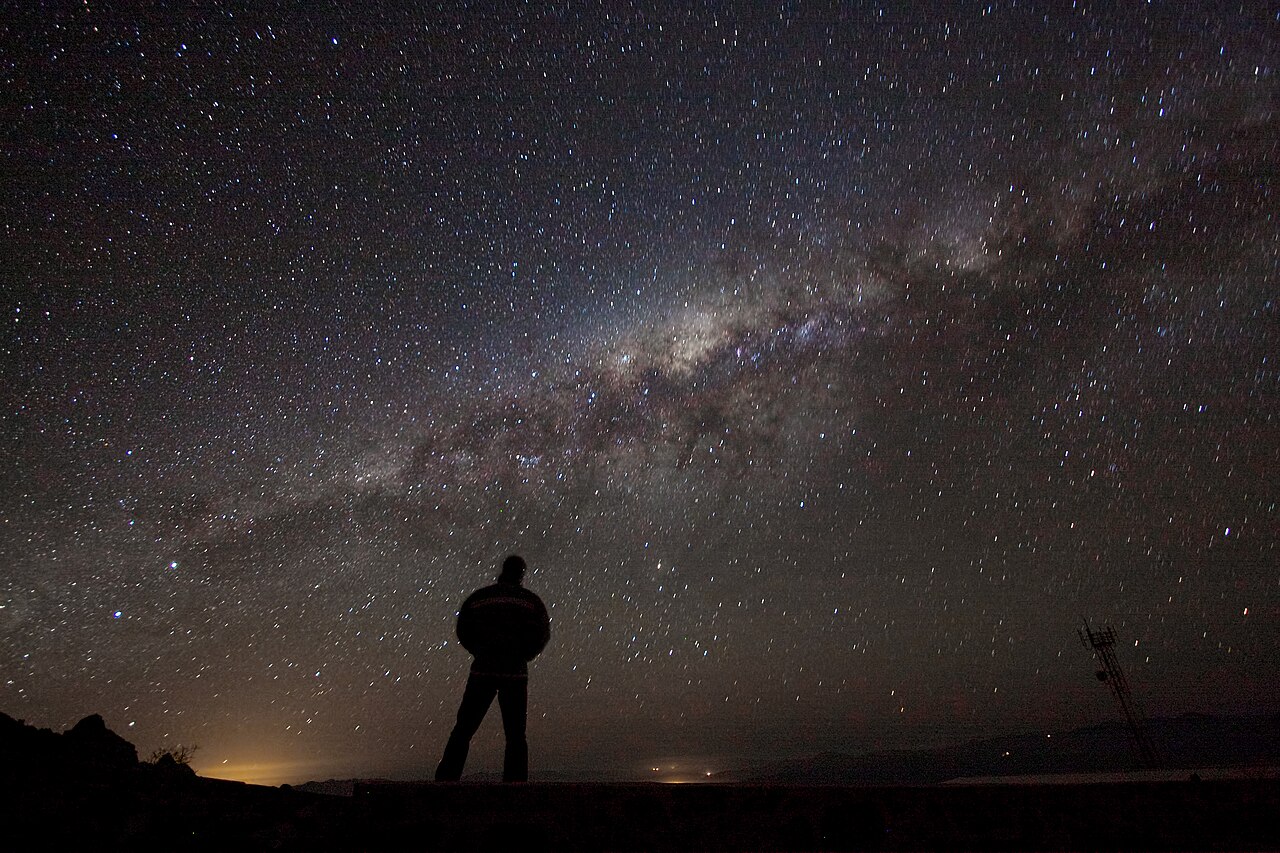
If the local sky is bright, choose a site from our stargazing directory or plan a visit using the observatory directory. Save the coordinates in a shared note so you can return to the same part of the sky on later birthdays or anniversaries.
Common mistakes to avoid
- Calling the name official or NASA-approved. A private dedication does not alter scientific records.
- Choosing only by price. Verify the star data, provider terms and delivered total.
- Assuming naked-eye visibility. Check magnitude and equipment guidance.
- Rushing the personalisation. Spelling and date errors can overshadow the intended surprise.
- Ignoring the recipient's preferences. Some people value a digital experience; others want a physical keepsake.
- Publishing memorial or child details without care. Consider family consent and privacy.
Common questions about naming a star
Can I name a star after any person?
Usually yes, subject to the provider's character and content rules. Avoid sensitive personal information, and consider consent before putting a child's full name into a public lookup.
How much does naming a star after someone cost?
Digital packages often cost about $10–$50. Printed folders, frames, gift boxes, brightness options and delivery can bring the total to roughly $40–$100 or more. Price changes presentation and service, not the scientific status of the name.
Can two people name the same star?
A reputable provider should assign a star only once within its own register. Separate private registries do not share one universal allocation system, so the same astronomical object can carry different dedications elsewhere.
Will NASA or an observatory recognise the personal name?
No. Use the scientific catalogue identifier or coordinates with professional databases and observatories. The personal name is retrieved through the private provider's register.
Can the recipient really see the star?
They can locate its position if the supplied data is valid. Seeing the individual star depends on its apparent magnitude, latitude, season, weather, light pollution and equipment.
Can I change the name later?
Policies differ. Because the record and certificate are personalised, changes may be limited after production. Treat the final preview as permanent unless the provider clearly promises later corrections.
What is a HIP number?
It is an identifier from the European Space Agency's Hipparcos Catalogue, published in 1997 with data for more than 118,000 stars. It gives software and databases an unambiguous way to identify the object.
Sources and further reading
- International Astronomical Union — Buying Stars and Star Names.
- NASA StarChild — How can I buy a star?.
- American Astronomical Society — Can I buy a star?.
- European Space Agency — The Hipparcos Catalogue.
- CDS Strasbourg — SIMBAD astronomical database.
For commercial process examples, see LabelStars' guide to naming a star after someone and StarRegistration.net's standard star gift options. These provider pages describe their own products; the scientific-status claims above follow the independent astronomy sources.
Ready to create a personal dedication? Compare formats on our name a star after someone page, review the broader buy-a-star guide, or browse existing records in the star registry lookup.