
Wimberley Valley

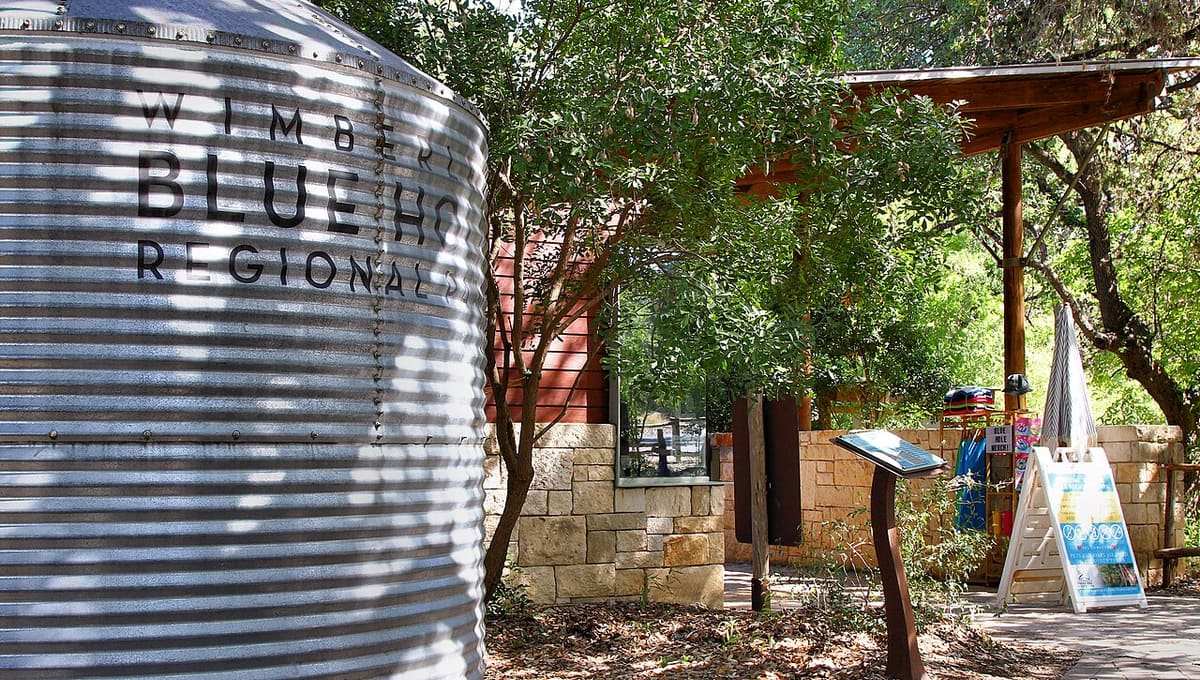
Image: Larry D. Moore · CC BY 4.0 · Wikimedia Commons
Wimberley Valley, covering the towns of Wimberley and Woodcreek in the Texas Hill Country, became a jointly designated International Dark Sky Community in 2018, and in 2024 it was named International Dark Sky Place of the Year.
Why Wimberley Valley is a top stargazing spot
Wimberley Valley is only the third International Dark Sky Community in Texas, after Dripping Springs and Horseshoe Bay, and it sits just 28 miles from downtown Austin, a rare thing for a community of around 14,000 people to pull off so close to a major metro area. The local Dark Sky Committee actually formed back in 2015, three years before the community earned its official designation, and it continues to work with residents and businesses on keeping local lighting in check to protect that hard-won status.
What you can see
The Milky Way remains visible from Blue Hole, one of the community's best-known viewing spots, despite the valley's proximity to Austin's light dome to the northeast. A Sky Quality Meter installed at Blue Hole Regional Park, funded through the Hill Country Alliance's Night Sky Preservation Fund, tracks how dark the sky stays over time, giving the community real data on the conditions it's trying to protect. The clear Hill Country nights also make for good general stargazing throughout the year.
Visiting Wimberley Valley at night
The community hosts regular dark-sky events built around Blue Hole Regional Park, including Blue Hole Star Parties that typically run live music from 7pm, telescope viewing from 7:45pm, and a guided sky tour from 8:30pm, all free to attend. Members of the Texas State Astronomy Club often join these events, bringing their own telescopes and sharing expertise with visitors. The calendar also includes Fourth of July gatherings, October's Moonlight Howl, and Halloween events at Blue Hole Park, a good way to combine stargazing with the community spirit that helped earn Wimberley Valley its designation in the first place.
Best time to go
Warm Hill Country evenings make spring through autumn the most comfortable time to be outside after dark, and the Perseid meteor shower in mid-August is a natural highlight, often timed close to one of the Blue Hole Star Parties. The Geminids in December offer a cooler-weather alternative for anyone willing to bundle up. Whenever you go, check the calendar for a new Moon, since even Wimberley's protected skies benefit from a dark night, allow 20 to 30 minutes for your eyes to adjust, and use a red light rather than a white torch once you're out.
Getting there
Wimberley Valley sits in Hays County, about 28 miles southwest of downtown Austin, and covers the towns of Wimberley and Woodcreek. Blue Hole Regional Park, the community's main stargazing hub, is a short drive from central Wimberley and the easiest place to start a visit.
See your named star from here
Being so close to Austin yet still dark enough for the Milky Way makes Wimberley Valley a convenient spot to track down a star you've named for someone special. Bring your certificate's coordinates, open a stargazing app at Blue Hole or another local viewing spot, and look up. Explore the wider star catalogue or check other certified places on the observatories page.
Conditions and access vary by season. Check Google Maps before you travel, and aim for a clear night near the new Moon for the darkest sky.
Satellite imagery: Esri, Maxar, Earthstar Geographics

 22 kmCommunity
 66 kmCommunity
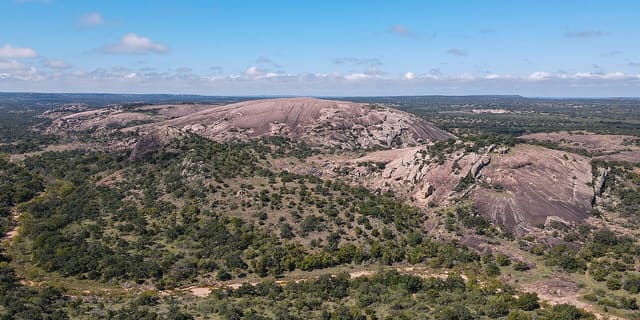 89 kmDark Sky Park
Enchanted Rock State Natural Area
state natural area in Gillespie and Llano County, Texas

 171 kmDark Sky Park