
South Llano River State Park

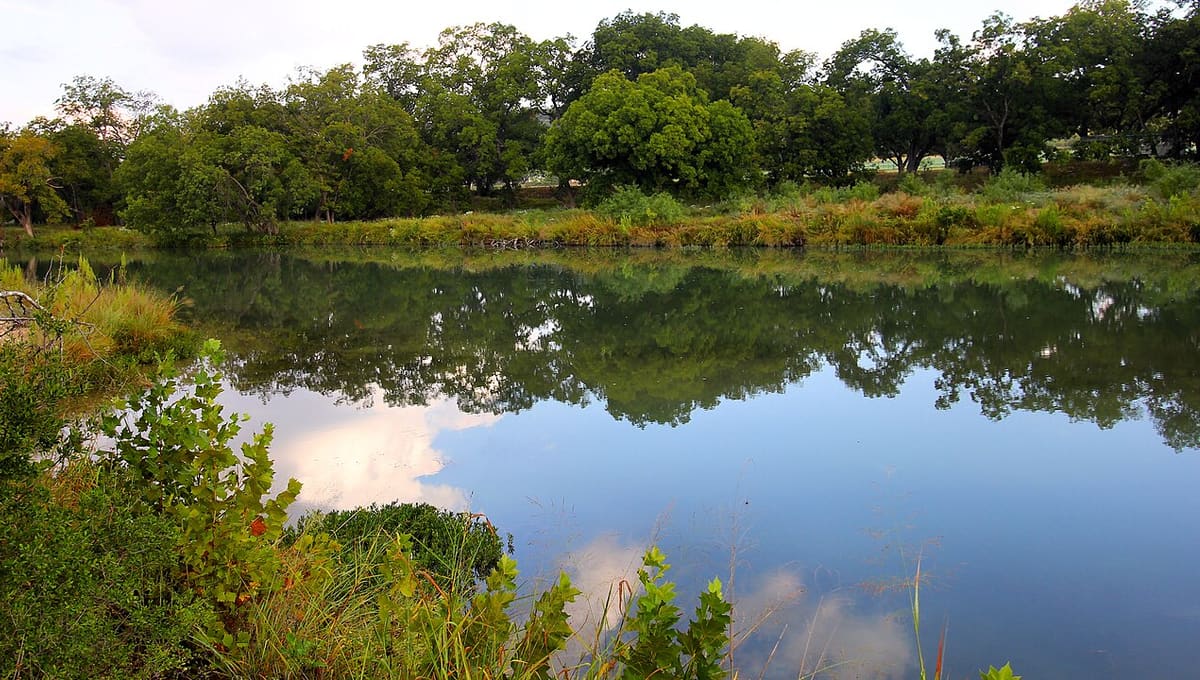
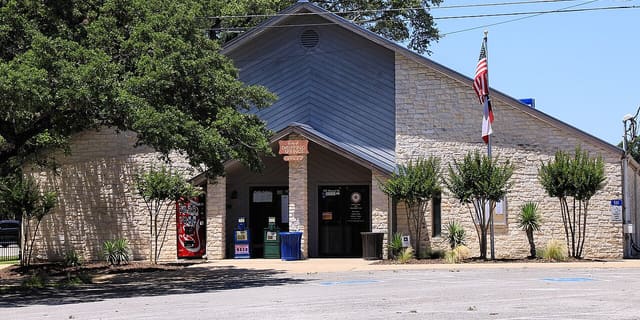
Image: Larry D. Moore · CC BY 4.0 · Wikimedia Commons
South Llano River State Park sits on the western edge of the Texas Hill Country near Junction, a 2,600-acre park along the South Llano River that has been open to the public since 1990. In February 2017 it earned Gold-tier International Dark Sky Park status, the highest tier the program awards, recognizing skies that stay exceptionally dark year-round.
Why South Llano River State Park is a top stargazing spot
The park's sky quality measures around Bortle Scale 3, with Sky Quality Meter readings consistently near 21.5 magnitudes per square arcsecond, confirming that the Milky Way and countless faint stars are visible without any city glow washing them out. Texas Parks and Wildlife maintains a permanently installed Sky Quality Meter on site, with real-time readings also published online through the Hill Country Dark Sky Monitors network at Putman Mountain Observatory. Gold-tier certification is not a one-off achievement either: it required a year-long application process covering lighting retrofits across the park and an ongoing commitment to visitor education, both of which keep the certification current.
What you can see
Under Bortle 3 conditions, the core of the Milky Way arches clearly overhead on moonless nights, along with star clusters and details invisible from any town. It's the kind of sky where a single named star stands out sharply from its neighbours rather than disappearing into a hazy background. The park's more than 250 recorded bird species also make it a spot where daytime wildlife watching and night-time stargazing sit naturally side by side.
Visiting South Llano River State Park at night
Because the site is actively monitored for dark-sky quality, conditions are consistently good throughout the year. The park partners with the Mason Star Gazers astronomy club and with Texas Tech University's Junction Outdoor School for organised star parties, and the Austin Astronomical Society also runs stargazing programmes here with its own equipment for visitors to use. Check the official park site for hours and any scheduled astronomy programming before you go.
Best time to go
This part of Texas sits at a low enough latitude that the Milky Way's core season runs long, roughly March through October, and is best seen arcing overhead on clear, moonless evenings. Winter nights bring Orion and the other bright cold-season constellations instead. The Perseid meteor shower peaks in mid-August, and the Geminids in mid-December are also worth a visit if the sky is clear. Whatever the season, plan around the new Moon, allow 20 to 30 minutes for your eyes to adapt to the dark, and use a red flashlight to preserve that adaptation once you're out under the stars.
Getting there
The park sits just south of Junction in Kimble County, on the western edge of the Texas Hill Country. It's a rural part of the state with genuinely dark surrounding skies, so allow extra driving time and check the park website for road conditions and gate hours before setting out after dark.
See your named star from here
A Gold-tier dark sky like this reveals far fainter stars than you'll ever see from a city block, which makes it an ideal place to track down a star you've named through Star Register. Bring your certificate's coordinates and a stargazing app, and use our catalogue to look up the star before you head out; if you haven't named one yet, see our packages, or browse other certified dark-sky locations on our observatories page.
Conditions and access vary by season. Check the official website and Google Maps before you travel, and aim for a clear night near the new Moon for the darkest sky.
Satellite imagery: Esri, Maxar, Earthstar Geographics

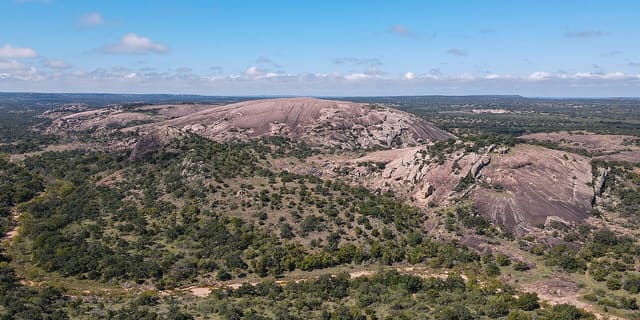 95 kmDark Sky Park
Enchanted Rock State Natural Area
state natural area in Gillespie and Llano County, Texas

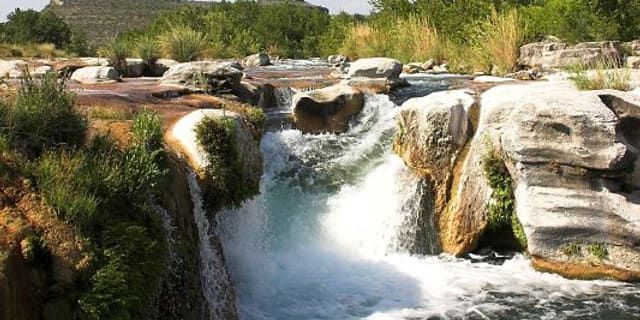 123 kmSanctuary
Devils River State Natural Area
Protected areas of Val Verde County, Texas

 138 kmCommunity
 168 kmCommunity