
Devils River State Natural Area

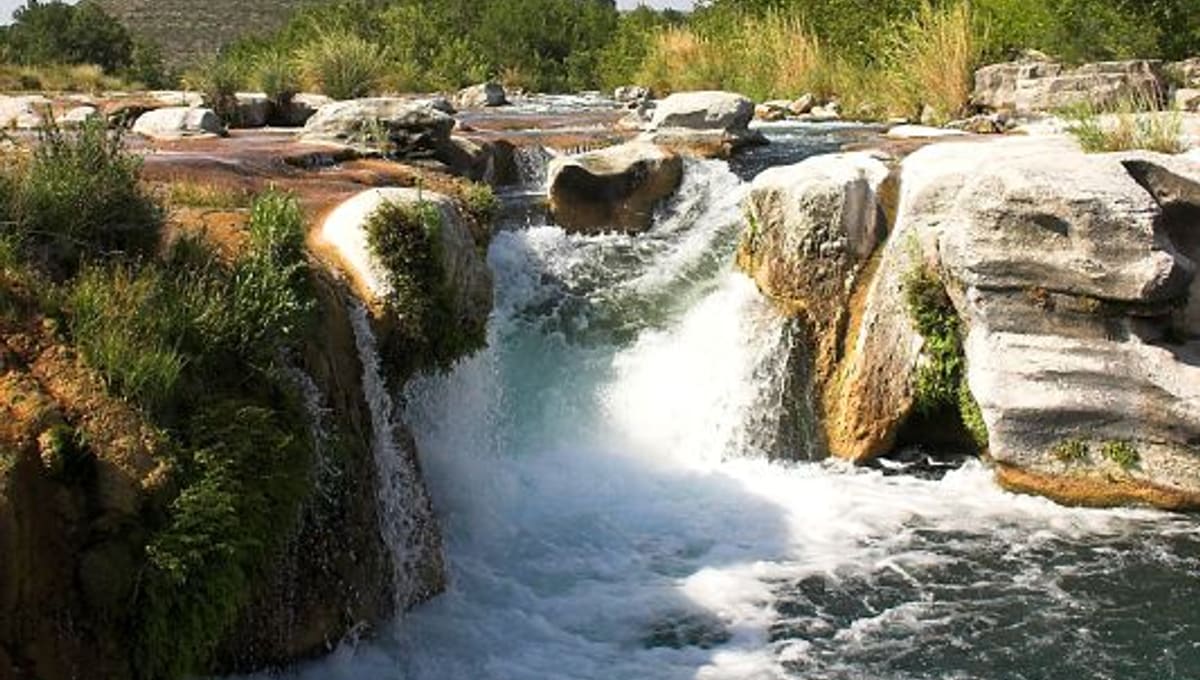
Image: Clinton & Charles Robertson from RAF Lakenheath, UK · CC BY-SA 2.0 · Wikimedia Commons
Devils River State Natural Area is a remote 37,000-acre reserve in Val Verde County, Texas, where the whitewater Devils River cuts through the Edwards Plateau, Tamaulipan mezquital and Chihuahuan Desert. It holds International Dark Sky Sanctuary status, the first and only one in Texas and the sixth worldwide.
Why Devils River State Natural Area is a top stargazing spot
Devils River was designated an International Dark Sky Sanctuary in 2019, the strictest tier DarkSky International awards, reserved for the darkest and most remote sites on Earth. Its skies measure Bortle Class 2, and the area's isolation, surrounded by private ranches with no nearby towns, keeps light pollution almost entirely out. The land was once a working ranch before the Texas Parks and Wildlife Department purchased it in 1988.
What you can see
Under Bortle 2 skies far from any city glow, the Milky Way spans the sky in fine detail, along with faint deep-sky objects and meteors that would be washed out anywhere near an urban area. The reserve's true remoteness, floating the river is a three-day trip with no modern conveniences, means the night sky here is about as unspoiled as it gets in Texas.
Visiting Devils River State Natural Area at night
The natural area has a visitor centre, a picnic area and designated campsites, though there are no electrical hookups, so visitors should come prepared and, in keeping with the park's leave-no-trace approach, bring all basic necessities and pack everything back out. You can reach the park by road with a vehicle, or arrive by floating the river itself, typically a three-day trip. The park runs weekly tours to pictograph shelters and programs covering river ecology and the night sky, plus a Dark Sky pack lending program for visitors; plan ahead using the Texas Parks and Wildlife site.
Best time to go
The Milky Way's bright core is highest and best placed from spring into early autumn, roughly March through September, giving way to the winter constellations once that window closes. The Perseids in mid-August and the Geminids in mid-December are the two meteor showers most worth planning around, with the Quadrantids in early January a good option for a winter visit. As anywhere, choose a night close to the new Moon, allow twenty to thirty minutes for your eyes to adjust fully to the dark, and use only red light once you are set up.
Getting there
Del Rio, Texas is the nearest major city, about 66 miles south of the natural area. Access is by road, via a vehicle, since the reserve sits within a network of private ranches with no public transport nearby, so plan your route and fuel stops before you set out.
See your named star from here
A Bortle 2 sanctuary like Devils River is exactly the kind of place where a named star's coordinates become useful rather than theoretical. Bring them along with a stargazing app, browse the star catalogue or nearby observatories, and if you have not named a star yet, see the star-naming packages.
Conditions and access vary by season. Check the official website and Google Maps before you travel, and aim for a clear night near the new Moon for the darkest sky.
Satellite imagery: Esri, Maxar, Earthstar Geographics

 123 kmDark Sky Park
 214 kmDark Sky Park
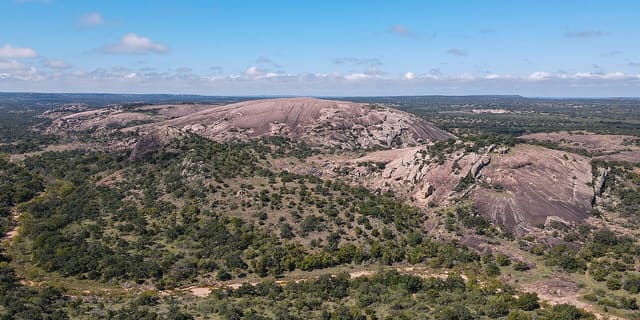
Enchanted Rock State Natural Area
state natural area in Gillespie and Llano County, Texas

 236 kmDark Sky Park
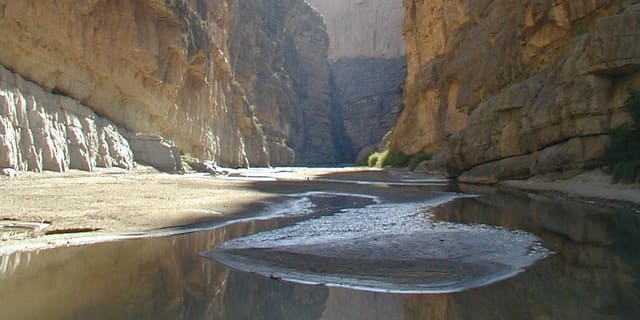
Big Bend National Park
U.S. national park located in Southern Texas, bordering Mexico

 256 kmCommunity