
Big Bend National Park

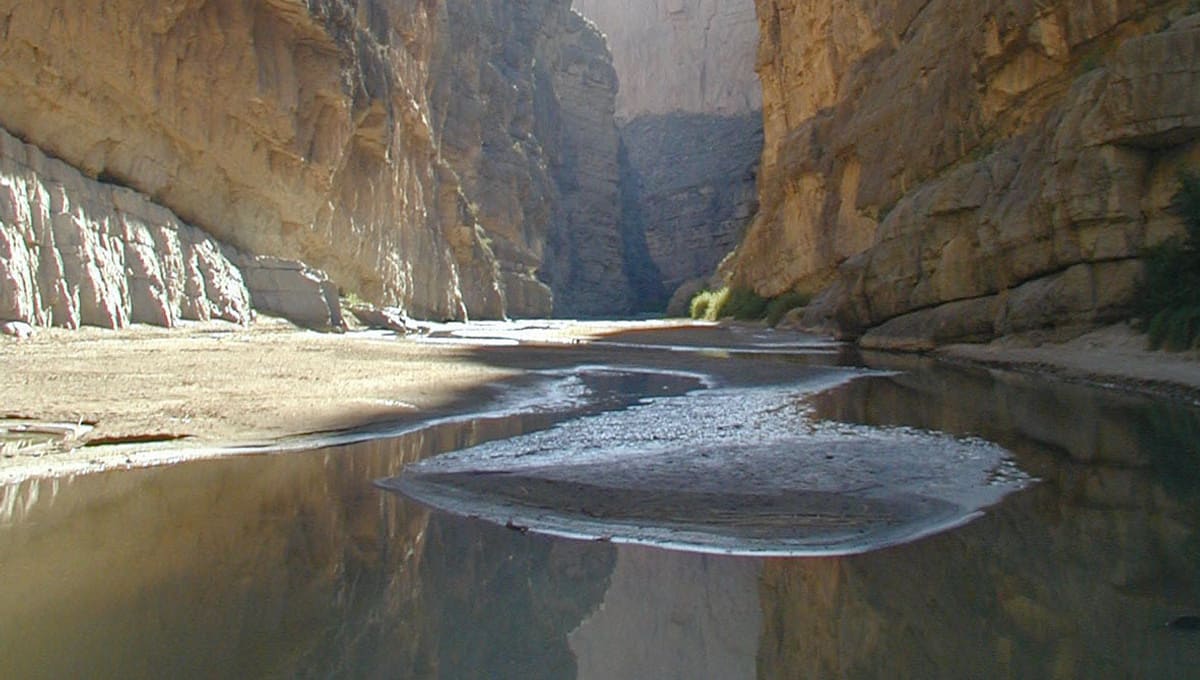
Image: eclectico63 · CC BY-SA 2.0 · Wikimedia Commons
Big Bend National Park stretches across the Chihuahuan Desert of West Texas along the U.S.-Mexico border, and it holds one of the darkest skies of any national park in the country. It was designated an International Dark Sky Park in 2012.
Why Big Bend National Park is a top stargazing spot
Big Bend has the least light pollution of any national park unit in the lower 48 states, with skies rated Bortle Class 1 to 2, close to the theoretical limit of natural darkness. Combined with the neighbouring Big Bend Ranch State Park, the two parks protect 1,112,000 acres of dark sky together. That scale, paired with the park's remote location and the sparse population on both sides of the border, is what makes the darkness here so consistent.
What you can see
On a clear night, Big Bend's skies show the Milky Way in striking detail, along with meteor showers and constellations that are washed out almost everywhere else. The Milky Way's bright core is visible from March through October and rides highest in the sky from June to August. Rangers recommend bringing binoculars, which reveal considerably more than the naked eye alone even in a sky this dark.
Visiting Big Bend National Park at night
The National Park Service runs free ranger-led night sky programs, including star parties and moonlight walks, with rangers using telescopes and laser pointers to point out what's overhead. These are a great way to get oriented before exploring on your own. October through April is generally considered the most comfortable season to visit, combining milder daytime temperatures with reliably clear skies after dark. Check the park's official visiting information ahead of time, since programs and access can vary by season.
Best time to go
With the Milky Way core visible from March to October and at its highest from June to August, Big Bend rewards a summer trip, though the cooler air and steadier skies of the October to April window make for a more comfortable night out. The Perseids in August are the headline meteor shower here, with the Geminids in December a strong second option during the cooler season. As at any dark-sky site, plan around the new Moon, allow 20 to 30 minutes for your eyes to adapt to the dark, and use a red light instead of white once you're set up. Genuine aurora sightings this far south are essentially a non-event outside the most extreme solar storms, so they're not something to plan a trip around.
Getting there
Big Bend is remote by design. The park sits in the far southwest corner of Texas along the Rio Grande, with the small communities of Study Butte and Terlingua just outside its western boundary offering the closest fuel, food and lodging. The nearest cities with commercial airports are several hours' drive away, so plan for a full tank and provisions before you arrive.
See your named star from here
A Bortle Class 1 to 2 sky like Big Bend's is about as dark as it gets in the continental United States, which makes it an ideal place to find a star you've named. With your star's exact coordinates from naming a star and a stargazing app in hand, Big Bend's near-total darkness does the rest of the work. Browse the star catalogue, or see other dark-sky observatories worth visiting nearby.
Conditions and access vary by season. Check the official website and Google Maps before you travel, and aim for a clear night near the new Moon for the darkest sky.
Satellite imagery: Esri, Maxar, Earthstar Geographics

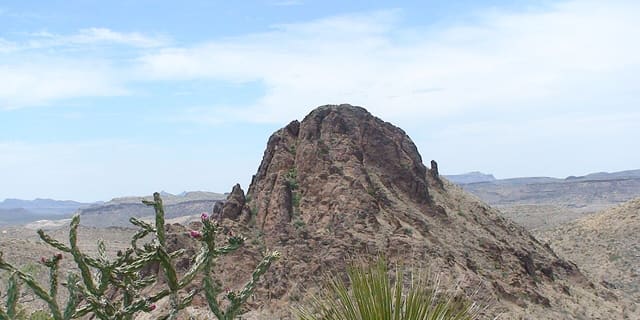 93 kmDark Sky Park
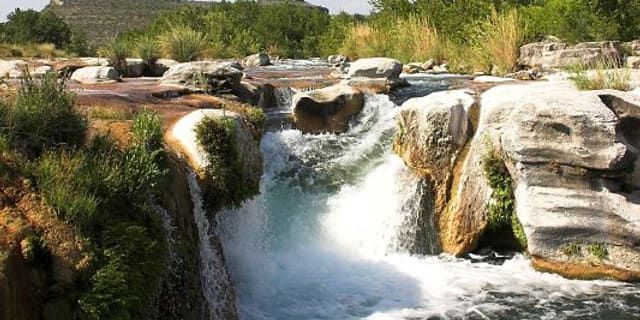 236 kmSanctuary
Devils River State Natural Area
Protected areas of Val Verde County, Texas

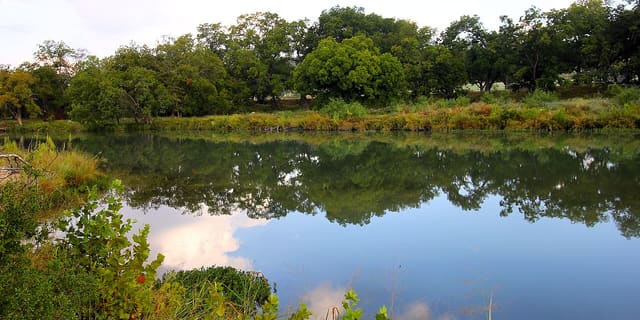 358 kmDark Sky Park
 449 kmDark Sky Park
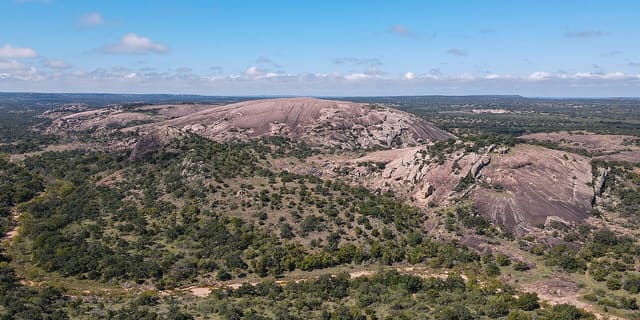
Enchanted Rock State Natural Area
state natural area in Gillespie and Llano County, Texas