
Big Bend Ranch State Park

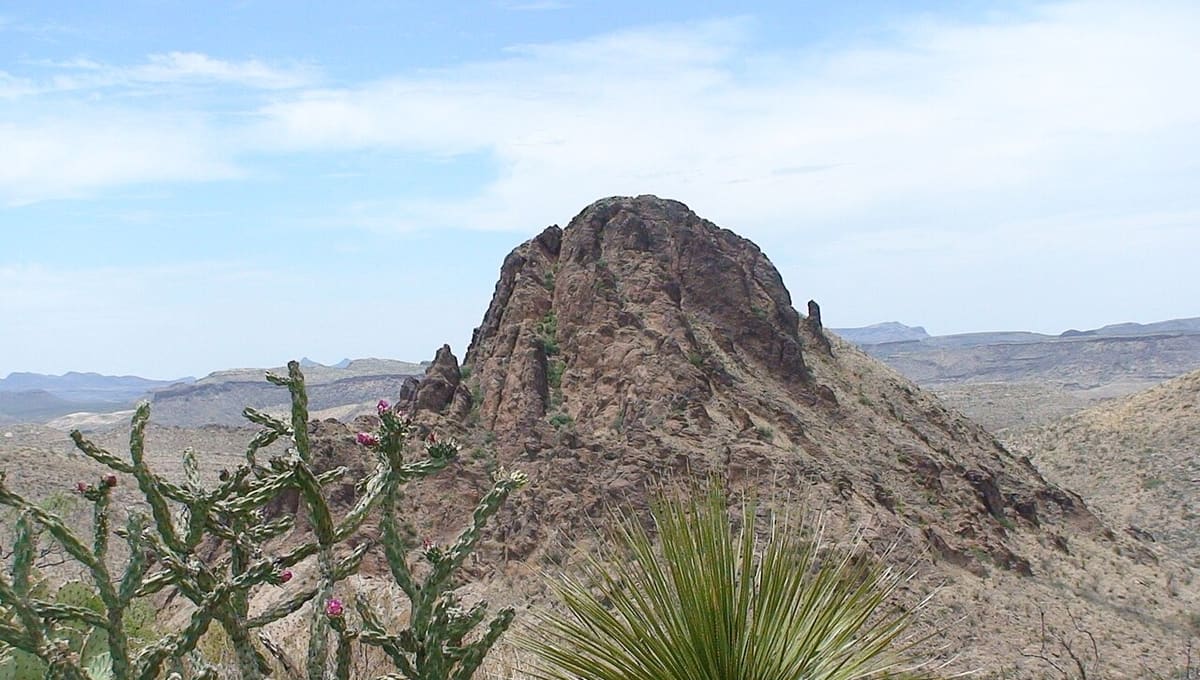
Image: Surfsupusa at English Wikipedia · Public domain · Wikimedia Commons
Big Bend Ranch State Park is a 311,000-acre wilderness on the Rio Grande in West Texas, managed by the Texas Parks and Wildlife Department. It's the largest state park in Texas, and in 2018 it earned Gold Tier status as an International Dark Sky Park, the highest level DarkSky International awards.
Why Big Bend Ranch State Park is a top stargazing spot
Big Bend Ranch is the only Texas state park with a Bortle Scale rating of 1, the darkest possible rating. Measurements put the park's mean Sky Quality Meter reading at 21.73, a value in the 21 to 22 range that DarkSky International considers exceptionally dark. The park is also part of the Greater Big Bend International Dark Sky Reserve, which spans more than 15,000 square miles across Texas and Mexico and is recognised as the largest Dark Sky Certified place in the world. In June 2020, the 40,000-acre Chinati Mountains State Natural Area was added to the designation, extending the protected area further. Aurora sightings are not a typical feature of the park given its southern latitude, and remain extremely rare even during strong solar events, so the draw here is the sheer depth of the ordinary night sky rather than the occasional light show.
What you can see
With a Bortle 1 rating, the Milky Way arcs clearly overhead on a moonless night, along with far more stars than most visitors have ever seen at once. Park staff have developed a lighting management plan and visitor education programs specifically to keep it that way. Recommended viewing spots inside the park include River Road, the West Contrabando Trailhead, Big Hill and the Hoodoos, each offering a different open stretch of desert sky.
Visiting Big Bend Ranch State Park at night
The park's headquarters and visitor centre are at the Barton Warnock Visitor Center in Lajitas, and it's open year-round with an admission fee. Its size and remoteness mean it rewards planning ahead, so check the Texas Parks and Wildlife site for current conditions and access before you go.
Best time to go
As with the wider Big Bend region, the Milky Way core is best seen from spring through early autumn, while the cooler months from October to April offer steadier, hazier-free air and more comfortable nights for a longer stay outdoors. The Perseid meteor shower in August is the standout event here, with the Geminids in December a worthwhile alternative once temperatures drop. Pick a new-Moon night if you can, give your eyes 20 to 30 minutes to adjust once you're away from any vehicle lights, and use a red light rather than white to keep that adaptation.
Getting there
The park sits between Terlingua and Lajitas to the east and Presidio to the west, along FM 170, one of the most scenic drives in Texas and a destination in its own right. Lajitas, home to the Barton Warnock Visitor Center, is the most convenient entry point for most visitors, while Presidio offers an approach from the west for those combining a trip with a visit to the Chinati Mountains.
See your named star from here
A Bortle 1 sky is as dark as skies get, which makes Big Bend Ranch one of the best places anywhere to pick out a specific star. Once you've named a star, you'll have the coordinates to track it down here with a stargazing app, undisturbed by artificial light for miles in any direction. Take a look through the star catalogue, or explore other observatories for more places to look up.
Conditions and access vary by season. Check the official website and Google Maps before you travel, and aim for a clear night near the new Moon for the darkest sky.
Satellite imagery: Esri, Maxar, Earthstar Geographics

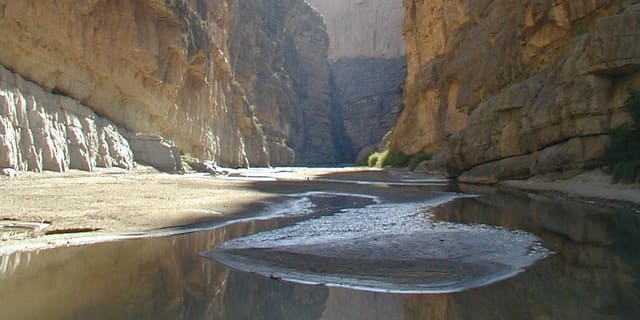 93 kmDark Sky Park
Big Bend National Park
U.S. national park located in Southern Texas, bordering Mexico

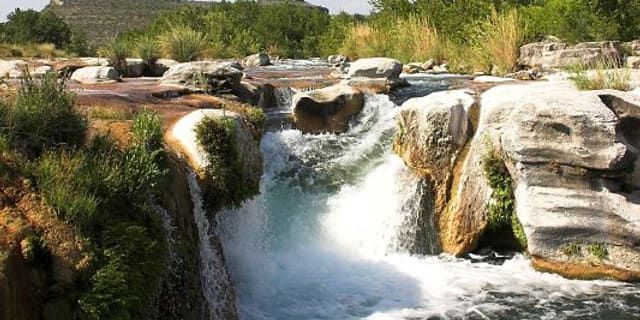 313 kmSanctuary
Devils River State Natural Area
Protected areas of Val Verde County, Texas

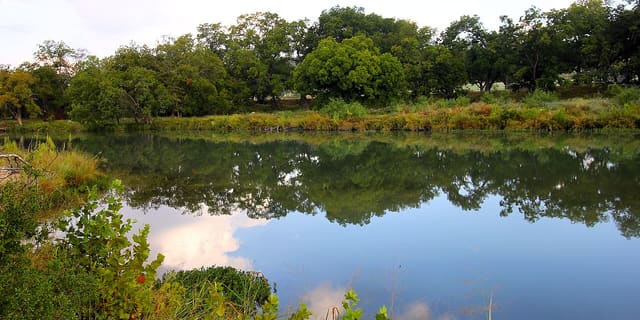 431 kmDark Sky Park
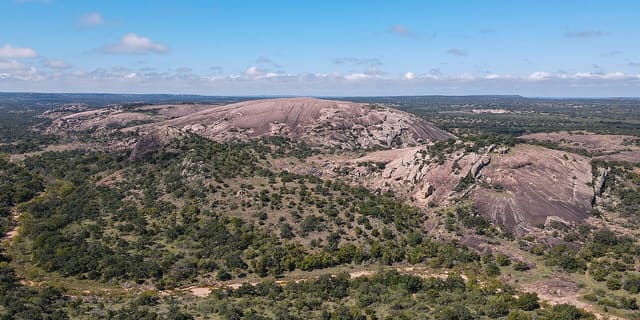 525 kmDark Sky Park
Enchanted Rock State Natural Area
state natural area in Gillespie and Llano County, Texas