
Horseshoe Bay

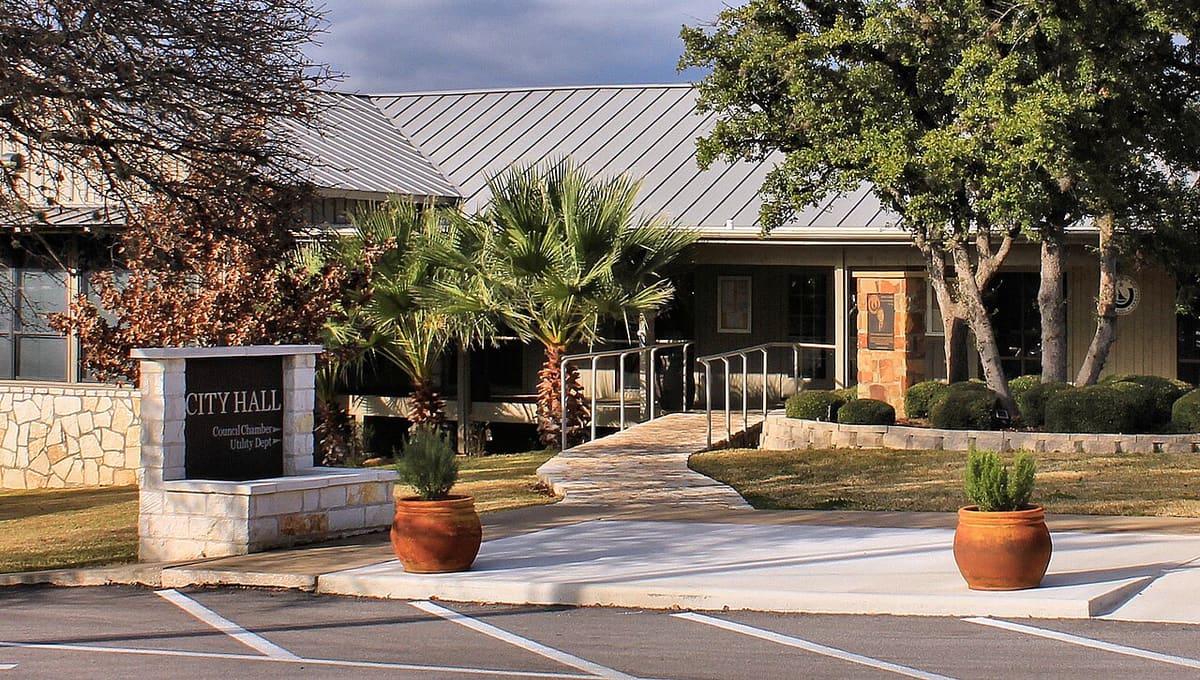
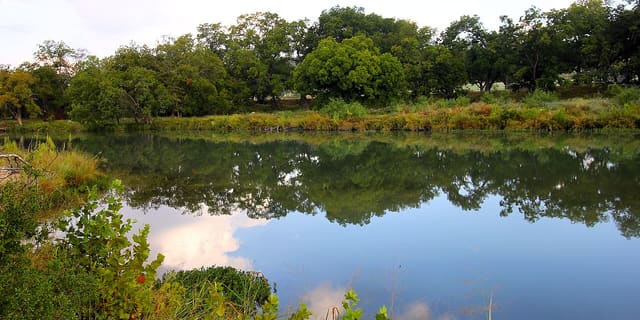
Image: Larry D. Moore · CC BY 4.0 · Wikimedia Commons
Horseshoe Bay is a city of around 3,500 people in Burnet and Llano counties in the Texas Hill Country, recognised by the International Dark-Sky Association as an International Dark Sky Community in November 2015. It was the eighth Dark Sky Community named in the United States and only the second in Texas.
Why Horseshoe Bay is a top stargazing spot
Horseshoe Bay earned its designation by modernising its outdoor lighting code, cutting glare and light spill so the night sky over the Hill Country stays visibly darker than in most Texas cities. The city has gone further than most: it maintains zero streetlights by policy and plans to keep it that way except where genuine safety concerns require otherwise. That kind of community-wide commitment to responsible lighting, rather than a single park or reserve, is what sets a Dark Sky Community apart. Horseshoe Bay is also part of a growing cluster of certified communities across the Texas Hill Country, alongside Dripping Springs, Fredericksburg and Bee Cave, which earned its own designation in 2023.
What you can see
With streetlights all but absent across town, stars that would be washed out under typical suburban lighting become visible overhead. The Hill Country's relatively low regional light pollution, combined with Horseshoe Bay's own lighting standards, makes for genuinely dark, star-filled skies on clear nights, especially along the shoreline of Lake LBJ where the water opens up the horizon.
Visiting Horseshoe Bay at night
The city hosts annual stargazing events, including sessions where the Hill Country Astronomers, a club founded in 2011 that welcomes stargazers of every experience level, bring telescopes for public viewing at Horseshoe Bay Nature Park. Community campaigns also run during International Dark Sky Week. Check the city's official website for current event dates before you travel.
Best time to go
Horseshoe Bay's latitude puts it firmly in the Northern Hemisphere's stargazing calendar: the Milky Way's core rises well from roughly March through September, while winter evenings favour Orion and the other bright cold-season constellations. The Perseid meteor shower peaks in August, the Geminids in December and the Quadrantids in January, all worth watching for on a clear night. Whatever the season, a moonless night around the new Moon gives the best views, and letting your eyes adjust for 20 to 30 minutes after dark makes a real difference.
Getting there
Horseshoe Bay sits on the shore of Lake LBJ, about 50 miles west of Austin, roughly a 45-minute drive from downtown, and six miles southeast of Marble Falls. It is reachable by car via the Hill Country's regional highways, making it a manageable evening trip from Austin or San Antonio.
See your named star from here
A community that has worked this hard to protect its night sky is an ideal place to actually find a star you have named. Bring your certificate's coordinates and a stargazing app, and Horseshoe Bay's darker-than-average skies give you a real shot at picking it out. Browse star-naming packages or explore the star catalogue to get started, and see our observatories directory for more dark-sky viewing spots nearby.
Conditions and access vary by season. Check the official website and Google Maps before you travel, and aim for a clear night near the new Moon for the darkest sky.
Satellite imagery: Esri, Maxar, Earthstar Geographics

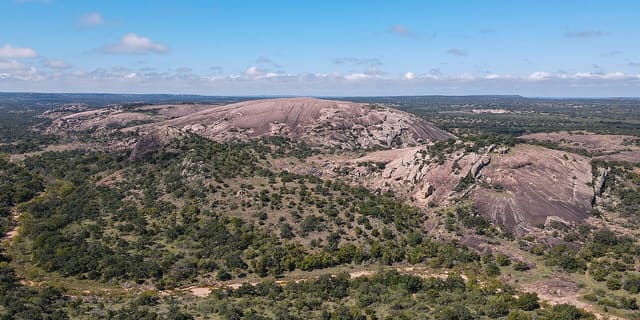 43 kmDark Sky Park
Enchanted Rock State Natural Area
state natural area in Gillespie and Llano County, Texas

 48 kmCommunity
 66 kmCommunity
 138 kmDark Sky Park