
Dripping Springs

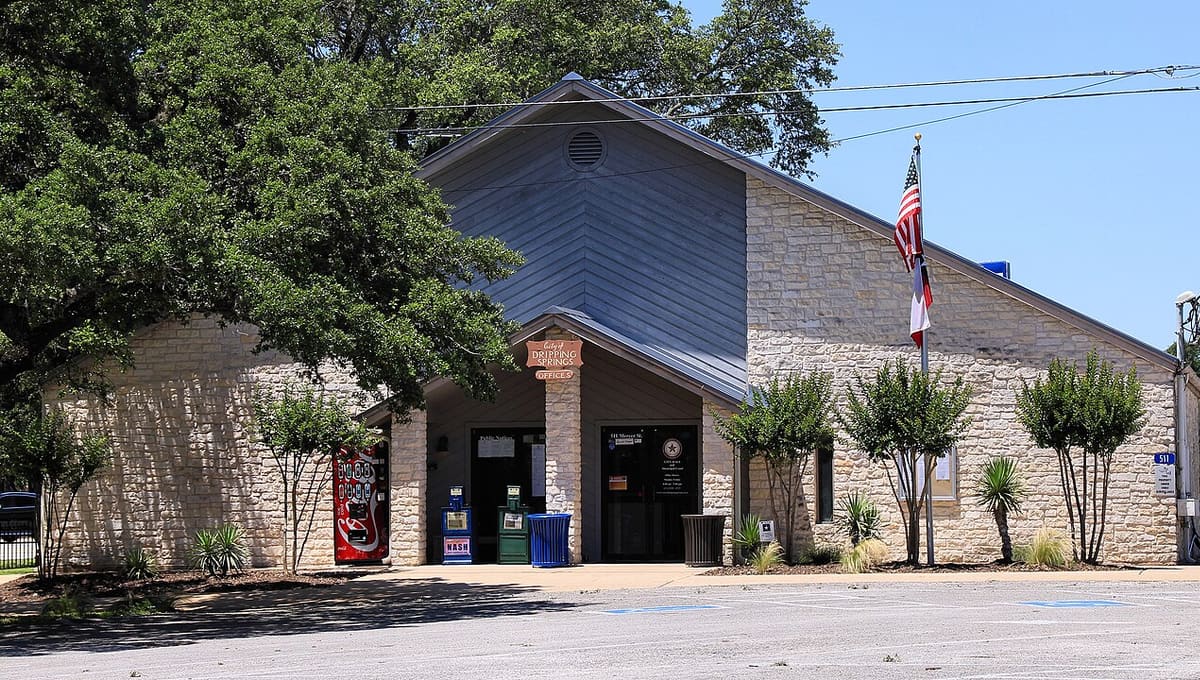
Image: Larry D. Moore · CC BY 4.0 · Wikimedia Commons
Dripping Springs is a city in Hays County, Texas, part of the Greater Austin metro area, that has earned International Dark Sky Community status by choosing to actively protect its own night skies.
Why Dripping Springs is a top stargazing spot
Dripping Springs first enacted a smart outdoor lighting ordinance in 2011, and by January 2014 that work had made it the first International Dark Sky Community in Texas and only the sixth in the world, a designation earned through policy rather than remoteness alone. The city requires full-cutoff shielding on outdoor fixtures, a colour temperature of 3000K or lower, and caps residential lighting at 25,000 lumens per acre. The rules were adopted partly in response to the light pollution creeping in from Austin and San Antonio's growth nearby.
What you can see
Because Dripping Springs is a small city rather than a remote wilderness, its skies are not as dark as a national park's, but the lighting ordinances noticeably cut the glow that would otherwise wash out the stars, making the Milky Way and far more stars visible than in most Austin-area suburbs. Two city parks make the most of it: Milton Reimers Ranch Park is home to the Reimers Observatory, which houses two large telescopes and runs regular educational stargazing programs, while Dripping Springs Ranch Park hosts monthly public star parties.
Visiting Dripping Springs at night
New developments in the city are built under the same dark sky lighting rules, and Dripping Springs must file annual reports to maintain its certification. Beyond the monthly star parties at Ranch Park and the observatory programs at Reimers Ranch Park, the city hosts other dark-sky awareness events through the year; check the city's official site for current listings. Wherever you set up, a new-Moon night, a period of dark adaptation, and a red flashlight will all help you see more.
Best time to go
Like the rest of the northern hemisphere, the Milky Way's core is best viewed from around March through September, when it climbs highest in the evening sky; the cooler months bring the brighter winter constellations instead. The Reimers Observatory's regular programs and the Ranch Park star parties run through the year, so pairing a visit with the Perseids in mid-August or the Geminids in mid-December is an easy way to combine a scheduled event with a meteor shower. Whenever you go, check the Moon phase in advance and aim for a night close to new Moon, and give your eyes twenty to thirty minutes to adjust before you start looking for fainter objects.
Getting there
Dripping Springs sits in Hays County, Texas, just west of Austin within the Greater Austin metropolitan area, making it one of the more accessible dark-sky destinations on this list for anyone travelling from the city. Milton Reimers Ranch Park and Dripping Springs Ranch Park are both reachable by car from the city centre; check each park's site for hours and directions before visiting.
See your named star from here
Even a lighting-conscious town like Dripping Springs shows noticeably more stars than a typical suburb, which is a good starting point for finding the star you have named. Bring its coordinates and a stargazing app, browse the star catalogue or check nearby observatories for darker skies further out, and see the star-naming packages if you would like to name a star of your own.
Conditions and access vary by season. Check the official website and Google Maps before you travel, and aim for a clear night near the new Moon for the darkest sky.
Satellite imagery: Esri, Maxar, Earthstar Geographics

 22 kmCommunity
 48 kmCommunity
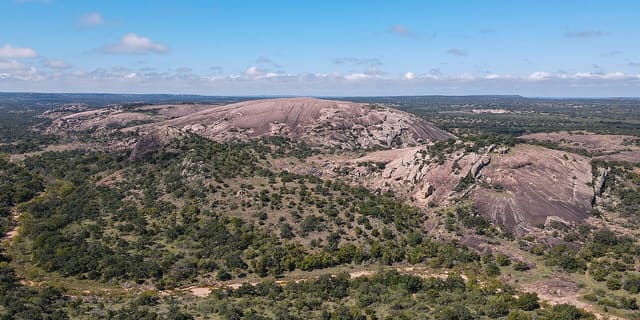 79 kmDark Sky Park
Enchanted Rock State Natural Area
state natural area in Gillespie and Llano County, Texas

 168 kmDark Sky Park